


















FINANCIAL SERVICES Finance
Turning complex operations and services
into a coherent brand experience.
For banks, insurers, and fintech companies, we build on institutional positioning and business research to coordinate brand identity, information design, digital experience, service environments, and communication content, organizing professional materials and service tasks into clear, continuous design expression.
Institutional Positioning · Brand Identity · Information Design · Digital & Branch Services
PERSPECTIVE / Industry and design
Brand, business, and service
apply consistent expression rules.
A financial institution's brand exists in business relationships, professional materials, digital entry points, branches, and everyday service. Different businesses and user needs vary across channels, and multi-channel application requires shared identity and content principles. We research how brand is accurately expressed in real service, starting from institutional tasks, business structure, and user touchpoints.
We use strategy and research to set direction, coordinating visual communication, information design, digital interaction, spatial environment, and communication content. Business materials and professional language are confirmed by relevant institutional teams; design organizes them into clear content and experience. Our integrated capabilities help group, business, digital, and on-site teams maintain brand coherence, enabling sustained application across channels.
As business and service channels constantly evolve, how does an institution maintain clear, continuous brand experience?
Within One Project,
Disciplines Working Together
Using coordinated digital and branch development as an example, we research distinct business objectives and service tasks; brand design organizes group, business, and product relationships; information design clarifies descriptions and reading hierarchy; interaction design explores pages and operational feedback; spatial design connects entry, zones, and wayfinding; communication design creates professional materials and sustained content. Shared information and identity rules flow into different channels and are maintained by relevant teams.
- 01 research and strategyInstitutional positioning, business objectives, and service tasks
- 02 · Brand and informationRules for group, business, and product expression
- 03 · Digital and branchesService entry, interfaces, and in-person touchpoints
- 04 · Collaboration and maintenanceBrand assets, review points, and content versions

INDUSTRY PRIORITIES / Industry topics
Organize professional coordination around business, channels, and service tasks.
From group brand to digital finance and service branches, clearly define work scope, content basis, and design application for each.
Corporate and Business Brands
For portfolios spanning group, subsidiary, business unit, and product brands, we study the role and audience of each level. We establish naming conventions, logo combinations, and content expression rules, then verify brand relationships through corporate websites, business materials, and branch applications to support integration, new business development, and day-to-day asset management.
Learn about corporate brand strategyBanking and Digital Services
We organize the information architecture of websites or service interfaces around service descriptions, business inquiries, application entry points, and support content. We differentiate user tasks and channel conditions, define pages, components, instructions, and feedback states, then validate experience and technical integration requirements with product teams through prototypes.
Learn about digital service designInsurance and Service Communication
Building on verified business materials, we organize institutional introductions, product information, service processes, and support content. We structure technical terminology, explanatory text, and process diagrams in layers, coordinating print, digital, and in-person communication materials so that different readers can find information according to their own tasks.
Learn about professional information designFintech and Service Platforms
We organize brand expression and digital information around platform capabilities, business scenarios, and service entry points. We differentiate the reading tasks of institutional clients, partners, and end users, define functional descriptions, product selection, operational feedback, and help content, then validate together with product, business, and technology teams through prototypes.
Learn about platform interface designBranches and Service Spaces
Using touchpoints such as arrival, consultation, transaction, waiting, and departure as guiding threads, we coordinate entrance identification, zoning information, wayfinding, and digital content. We validate proposals against site conditions, service processes, and maintenance requirements to ensure institutional identity remains aligned with the actual functions of different branches.
Learn about branch and spatial wayfindingBrand Events and Public Communication
For institutional events, service introductions, and public engagement needs, we define target audiences, themes, and content structure. We organize graphics, imagery, interactive experiences, and on-site identity, connecting pre-event, live, and follow-up communications; different media use the same content foundation and are confirmed according to institutional processes.
Learn about brand communication design
ICBC Future Finance · Financial Service Experience Project
Explore the exhibition space, digital content, and interactive experiences within the project.
Explore Related Work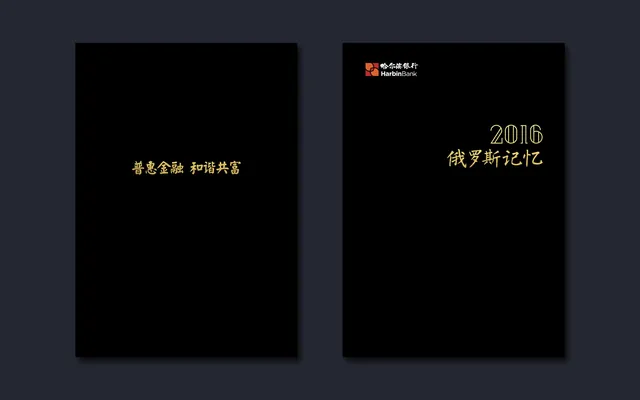
Harbin Bank · Annual Report and Brand Book
Through the annual report and brand book, explore the content and layout of professional materials.
Explore Related WorkPROJECT PRACTICE
Project materials present different design tasks in the financial sector.
From business brands and identity applications to professional publications and interactive exhibitions, explore the specific content and application methods of design.
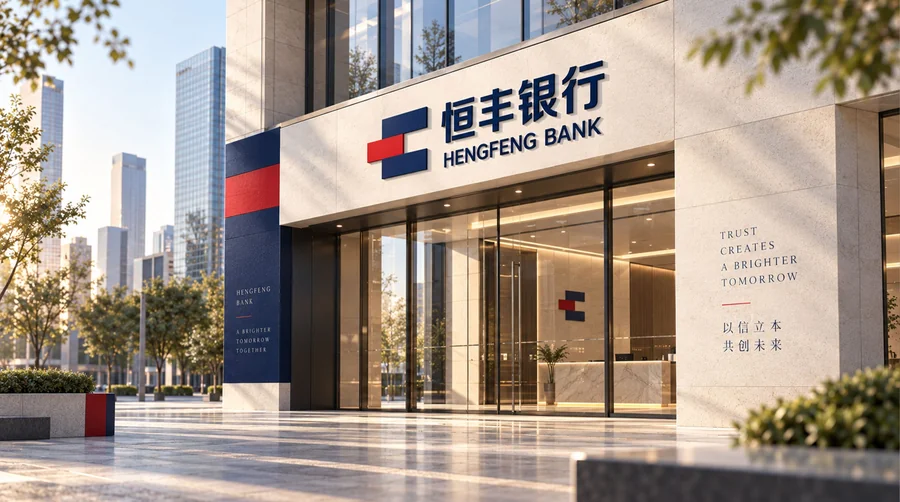
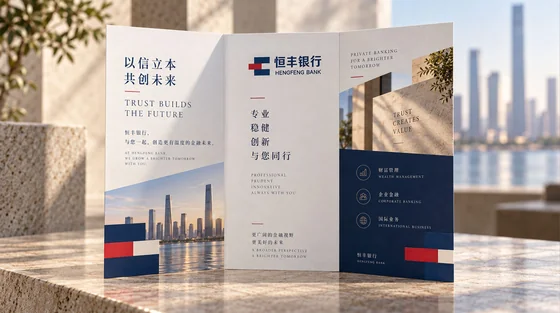
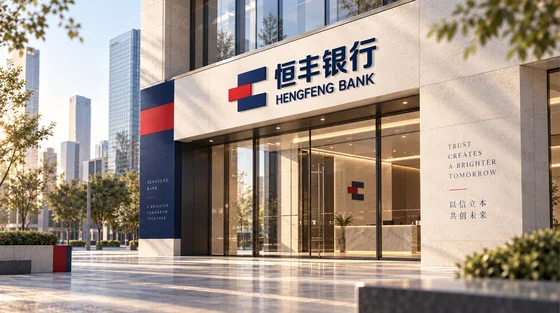
Hengfeng Bank / Brand Identity and Service Spaces
From Professional Materials
To Service Spaces
Through project showcases of brand identity, professional materials, and spatial applications, see how a shared visual language enters different touchpoints. Project materials present specific design content, facilitating further understanding of the connections between identity, information, and on-site applications.

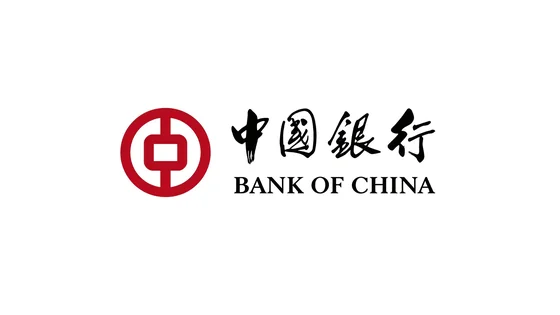
Bank of China Visual Identity Upgrade
Brand Visual Projects
View brand identity, visual expression, and existing project materials.
View project material
ICBC Future Finance
Financial Service Experience Project
Explore the exhibition space, digital content, and interactive experiences within the project.
View project material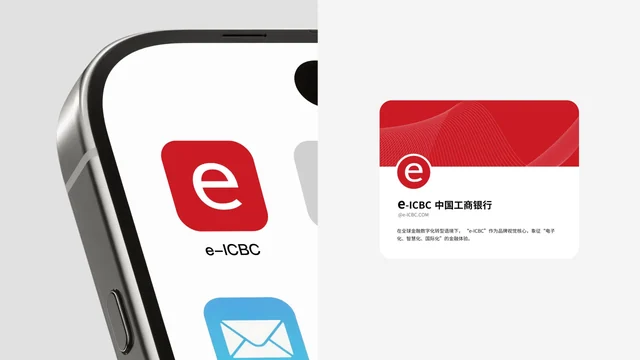
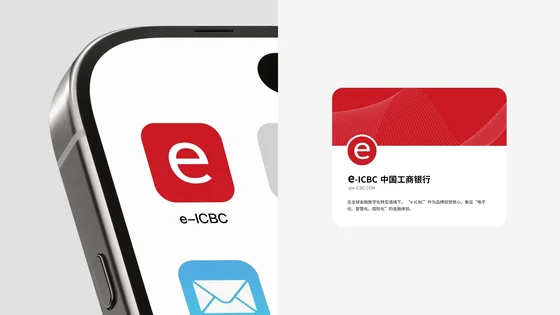
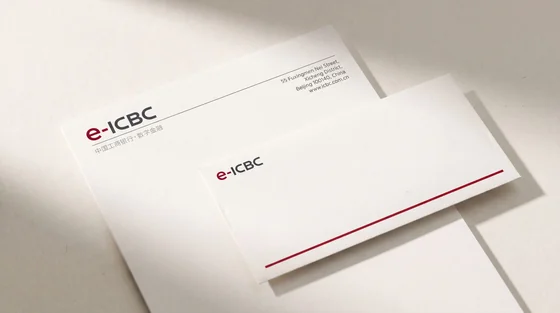
e-ICBC
Digital Finance Brand Identity
From logo and application systems, understand the visual organization of business brands.
View project material
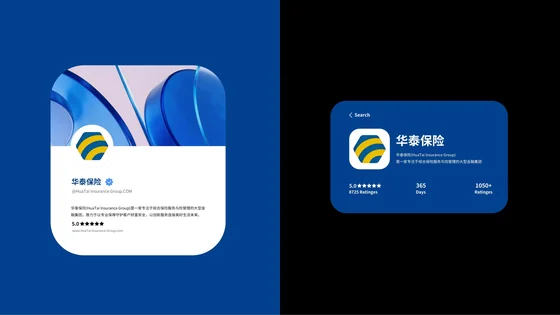
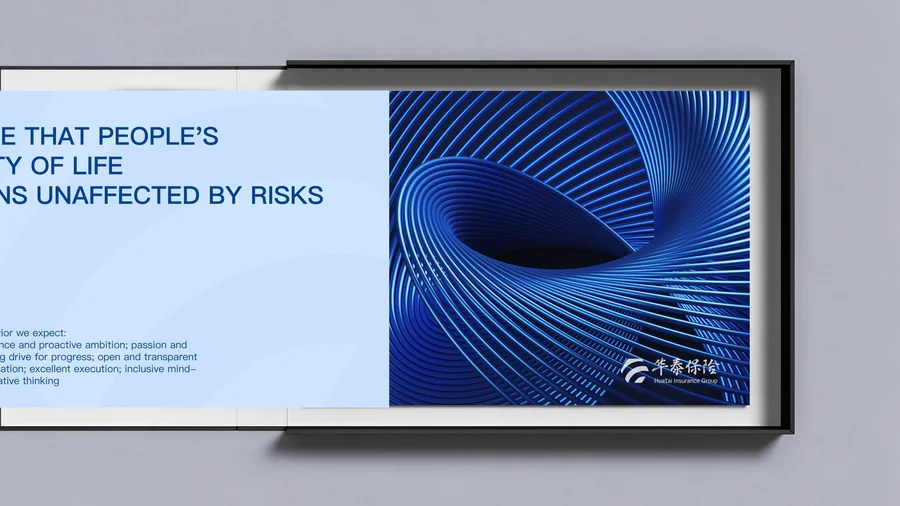
Huatai Insurance
Brand Visual Projects
View brand expression and communication applications in existing project materials.
View project materialImages sourced from existing project materials on this site, representing the corresponding design categories. For detailed content and project scope, visit the project page.
CROSS-DISCIPLINARY CAPABILITIES
Six professional capabilities connecting financial brands with service touchpoints.
Starting from shared business and user problems, we connect strategy, identity, information, product, digital, spatial, and communication design.
01Strategy and Institutional Research
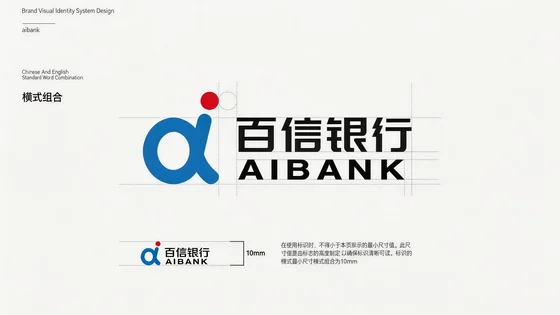
Starting with institutional positioning, business mix, and primary service audiences, we study the relationships among group, business, and product brands. Through materials, interviews, and touchpoint mapping, we develop value propositions, core narratives, and application priorities, enabling management, business, brand, and experience teams to collaborate around shared tasks.
Main deliverables
02Visual Identity
We establish identity systems for the institution and its various businesses, organizing logo, typography, color, graphics, and image rules. We extend visual principles to professional documents, digital pages, branches, and event materials, validating shared assets and business differentiation through representative templates, then create application guidelines suited to multi-team use.
Main deliverables
03Product and Service Design
For self-service devices, service terminals, and interactive touchpoints, we study user tasks, device identification, status information, and interaction processes. We consider product form, operational interfaces, institutional branding, and spatial information together, using concepts and prototypes to discuss experience and validate actual conditions with product, development, and implementation partners.
Main deliverables
04Digital and Interaction Design
We organize the structure, visuals, and interactive prototypes of websites and interfaces around business understanding, information inquiries, service entry points, and operational help. We focus on different users' reading paths, process instructions, and feedback states, creating page and component specifications and validating implementation and maintenance scope with business, product, and technology teams.
Main deliverables
05Spatial and Service Experiences

Using the actual tasks of branches, institutional spaces, and brand events as guiding threads, we study entrances, zones, circulation, wayfinding, and digital displays. We coordinate institutional identity, business content, and on-site communication, validating proposals through actual specifications and site mockups to ensure spatial expression connects with digital and professional materials.
Main deliverables
06AI and Content Communication
We use AI tools to assist with creative, diagrams, imagery, and asset version production around institutional official materials, brand assets, and content plans. We bring institutional introductions, professional communications, new media, and brand events into a shared content framework, maintaining expression across different media through business confirmation, brand review, and archiving processes.
Main deliverables
Projects organize professional teams and deliverables around actual tasks. Research, strategy, design, and implementation share materials and phase outcomes, with related disciplines advancing collaboratively at key reviews.
INSIGHTS
Continue reading on brand trust, organizational and channel coordination.
Using financial brand design as an entry point, further understand multi-business architectures and the shared expression of online and on-site services.

The trustworthiness of financial brands is designed
Understand the professional expression and consistency of financial brands through the coordination of visual, information, interaction, and service touchpoints.
Read the article
In the AI era, brand architecture moves from hierarchy to system
Discuss how group, business, and product brands establish connections and maintain shared rules as content and touchpoints continue to grow.
Read the article
Use the same promise from online to on-site
Discuss how online content and on-site services connect, enabling different touchpoints to use shared information and expression foundations.
Read the articlePROJECT METHOD
Stage deliverables connect research, design, and implementation.
Six work stages use shared materials, with joint reviews of content, design, and application conditions clarifying professional divisions and delivery requirements.
Confirm Institutional and Business Tasks
We discuss the institution's development stage, business scope, service audiences, and priority touchpoints, collecting brand and business materials. We clarify participating departments, content owners, design scope, and stage deliverables, grounding problems to solve in specific scenarios and forming mutually agreed work arrangements.
Research Audiences and Touchpoints
Through interviews, material analysis, and service journey mapping, we identify the needs of clients, business staff, and internal teams regarding brand and content. We document information hierarchies, channel connections, and problems in identity applications, clarifying research scope and feedback methods to form a foundation for strategy and design discussions.
Strategy and Direction Consensus
We confirm brand positioning, business relationships, core expression, and design principles, using documents, interface, or spatial mockups to discuss strategic application. We explain reasons for retained, adjusted, and new assets, organizing relevant departments to validate professional content and implementation conditions, forming stage consensus.
System Design and Review
We conduct identity, information, interface, or spatial design, creating key prototypes and application templates. Following the institution's content and design review processes, we validate professional materials, reading conditions, and service experience, documenting feedback and versions to advance the proposal from directional exploration to finalization.
Application Collaboration and Handoff
We validate file formats, page rules, asset specifications, and on-site conditions with content, product, technology, and production teams. We advance actual touchpoint applications by priority, providing design documentation, asset inventories, and version records, clarifying responsibility for ongoing maintenance and new content.
Retrospective and Guideline Refinement
Based on actual applications and confirmed feedback, we review brand consistency, information readability, and collaboration processes. We form adjustment lists for content, components, and spatial information requiring refinement, updating application guidelines and templates so design outcomes can adapt to business and channel changes.

Deliverables Defined by Project Scope
- Strategy and Brand Relationships
- An assessment of the organization, its audiences and touchpoint challenges, followed by brand positioning, architecture and a phased roadmap. We clarify how the group, its businesses and its products relate in brand communications, and set priorities for implementation.
- Visual and Information Guidelines
- Identity guidelines, business differentiation, chart and document templates, and representative digital and spatial applications give specialist content and brand expression a shared design foundation.
- Digital Experience Deliverables
- Section and page structures, core user journeys, key screens, component states and design specifications. We align delivery formats and implementation scope with product and technology teams.
- Spatial and Communication Prototypes
- Branch information hierarchies, wayfinding or display concepts, brand events and communication materials. We develop practical prototypes for discussion, shaped by the site, medium and business requirements.
- Handover and Maintenance
- File structures, version histories, approval milestones, review responsibilities and internal application resources support ongoing collaboration across new businesses, branch locations and teams.
WORKING TOGETHER / OUR APPROACH
Build a complete system beginning with current tasks.
We define the starting point around the organization’s stage of development, business plans and priority touchpoints, then agree on specialist responsibilities, phased deliverables and how the work will be used over time.
Group and Business Brand Development
For organizational integration, new business brands and comprehensive brand renewal
We examine the relationships between the group, its businesses, products and channels to define brand roles, priority audiences and shared assets. Specialist materials, digital pages and spatial prototypes help test positioning and identity guidelines before a phased rollout.
- Positioning and Business Brand Architecture
- Core Narrative and Identity Guidelines
- Priority Touchpoints and Phased Recommendations
Digital and Branch Experience Improvement
For digital entry points, business materials and branch service touchpoints
We organize content around real user tasks and channel requirements. Interface prototypes, document templates and on-site mockups help business, product, technology and production teams align on design scope, implementation and handover.
- Information Architecture and Interface Components
- Specialist Materials and Spatial Information
- Prototypes, Mockups and Application Guidelines
Ongoing Brand Implementation Across Businesses and Teams
For multiple channels, frequent updates and market-specific versions
We organize shared brand guidelines, content templates and spatial information inventories, with coordinated processes for business approval, brand review and version management. New businesses or touchpoints begin with a prototype, followed by supporting guidelines and maintenance resources.
- Shared Assets and Content Modules
- Channel and Market Adaptation
- Version Management and Team Handover
Clear Content Ownership and Responsibilities
The organization’s designated specialists approve business names, product information, service descriptions and technical language. Our design team structures and presents the approved content. Records link source materials, review feedback, design versions and final applications, with clear participants and approval milestones at each stage, bringing specialist content and brand design into one coordinated process.
Coordination Across Channels and Markets
We connect the organization’s shared identity and content principles with specific business contexts, reviewing consistency across digital pages, branches, business materials and events. For international or multilingual projects, we first define the markets, audiences and application requirements, then adapt terminology, layouts and content. Related versions remain linked for coordinated maintenance and ongoing updates.
Long-Term Asset Management and Maintenance
We establish maintenance inventories for brand assets, page components, specialist documents and spatial information, with clear responsibilities for updates, review and archiving. When businesses change or touchpoints are added, we test the guidelines against representative applications before extending them. Internal guidance and training support use across teams, while project records help identify issues in design and collaboration.
PROJECT QUESTIONS / Collaboration Questions
Clarify key questions before the project begins.
Build specific collaboration scope around materials, professional roles, and application conditions.
What does a financial brand project typically cover?
The work may include brand positioning, visual identity, information design, digital interfaces and spatial touchpoints. Research and deliverables are defined by the organization’s objectives and project requirements.
How do you connect digital services with physical environments?
We first map user tasks and service journeys, then establish shared principles for information, identity and experience, applying them to both interfaces and physical spaces.
How do you report project outcomes?
We first establish what was delivered and implemented, then describe its effects using verified feedback or data. Unsupported business figures are excluded from project conclusions.
How does group integration differ from upgrading a single business brand?
A group project begins by clarifying the relationships between organizational, business and brand structures, then defining shared assets and distinct expressions for each business. A single business upgrade can focus on specific audiences and touchpoints while remaining connected to the organization’s broader guidelines. The scope depends on the existing architecture and the task at hand.
Who approves official business content?
The organization’s designated business, content and subject specialists verify the materials. Our design team uses the approved content to develop visual assets, interfaces and communication materials. Review milestones and participants are agreed at the outset, with clear version records linking specialist approval, final design and implementation.
What should we prepare before working together?
Start with an overview of the organization and its businesses, existing brand guidelines, target audiences, priority channels, representative service materials and a timeline. For digital or spatial projects, include product requirements and site conditions. We agree on the full material requirements, participating departments and approval process at kickoff.
CONTINUE EXPLORING
Integrated Capabilities
Explore how strategy, AI, visual and product design work together with digital, spatial and service design.
Explore Our CapabilitiesResearch & Insights
Explore perspectives on brand strategy, AI marketing and brand design.
Explore InsightsIn China and Beyond
Explore how design connects target markets, languages, brand assets and real-world touchpoints.
Explore Our International WorkBringing Disciplines Together
Around Financial Businesses and Services.
Start with an overview of your organization and businesses, existing brand guidelines, key service materials, target audiences and priority channels. Together, we define the brief, participating departments, phased deliverables and implementation requirements.
Contact Our Project TeamDiscover Qingmei Future