

















IP DESIGN · Brand Character Design
For Leading Brands
Brand Character Solutions
From character design to a complete visual world. Give your brand a personality people remember.
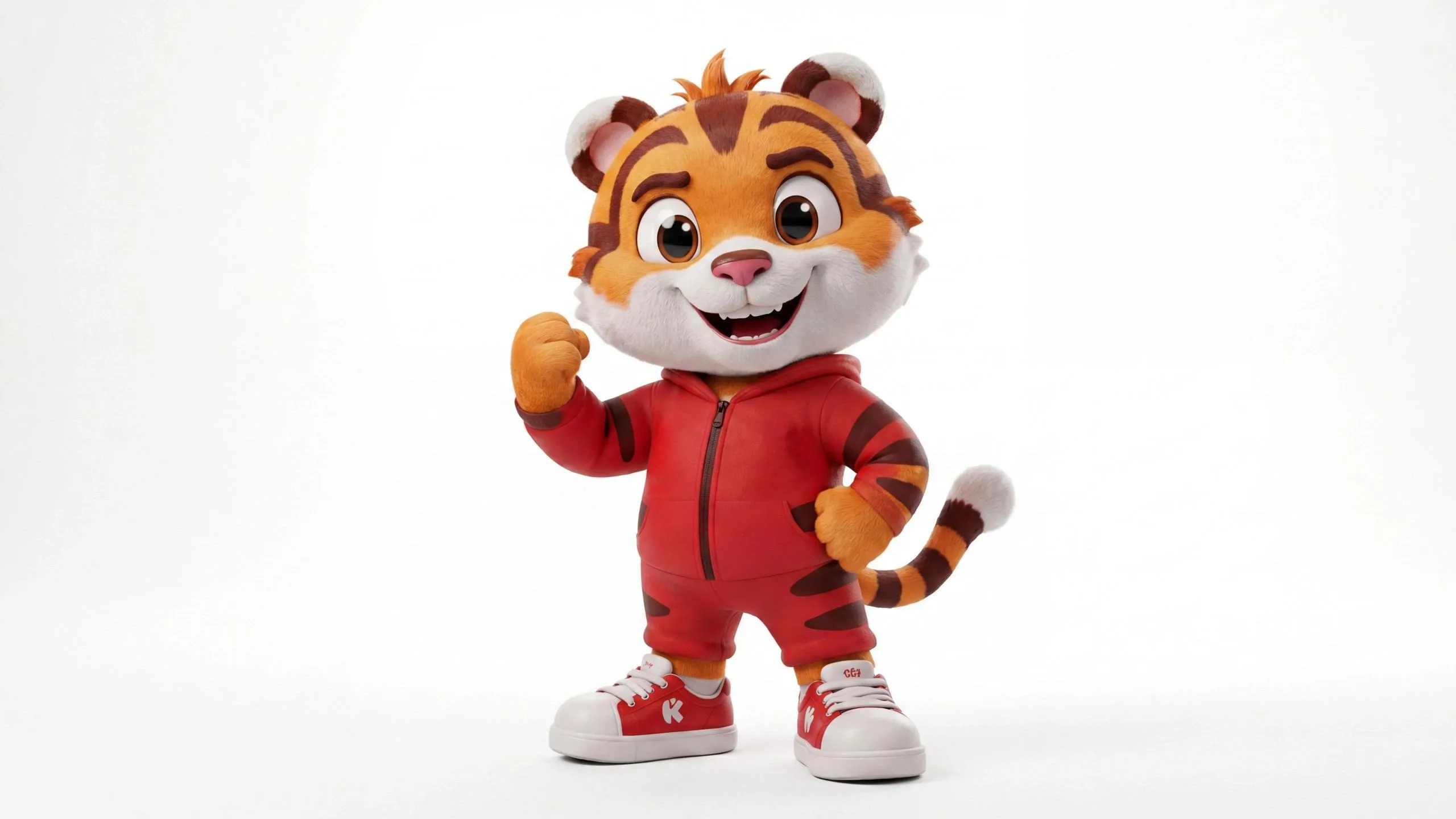
Design Philosophy
Philosophy and world
Every character starts from the brand, not from a style.
IP design begins with the core value of a brand. A personified or symbolic character gives the brand a personality and an emotional temperature that can move its audience. Whether the character stands for strength, intelligence and innovation, or for warmth, familiarity and trust, the design stays with the spirit of the brand.
Character World
A character expresses a brand’s personality;
a series of scenes brings its world to life.
The character begins from the core value of the brand and is given a personality and emotional warmth. It appears on different occasions: it greets, sets out, focuses, celebrates and stays close. The same outline and identifying color stay recognizable in every frame.
- 01Core valueBegin with the core value of the brand
- 02PersonificationGive the brand a personality through its character
- 03Emotional temperatureMove the intended audience
- 04Brand spiritStrength, intelligence, innovation, or warmth and trust
One set, five frames
Shown with the first Golden-Mane Lion set. Every set follows this order.
- 01
 WelcomePoster, pack front, avatar
- 02
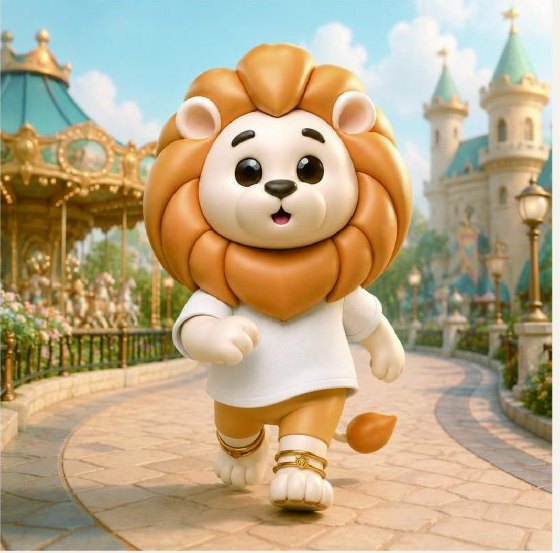 Setting outSplash, campaign cover, short-video cover
- 03
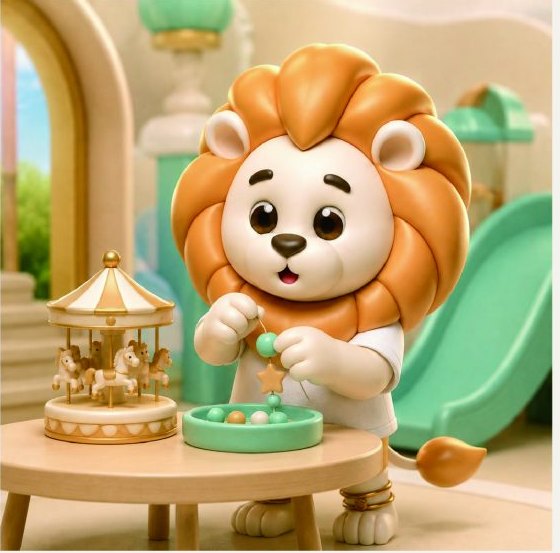 A focused momentProduct and feature pages
- 04
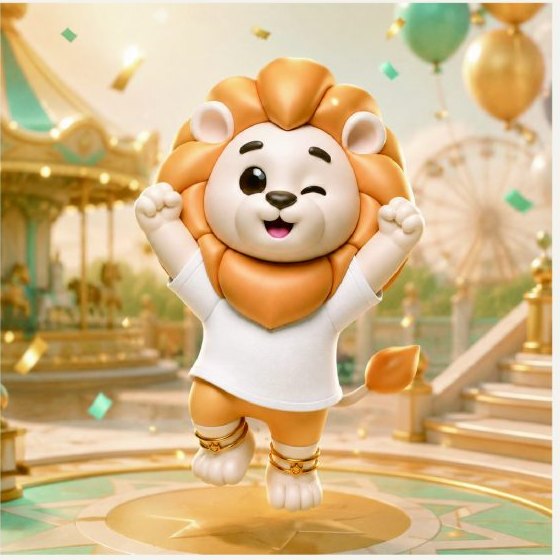 CelebrationFestivals, launches, releases
- 05
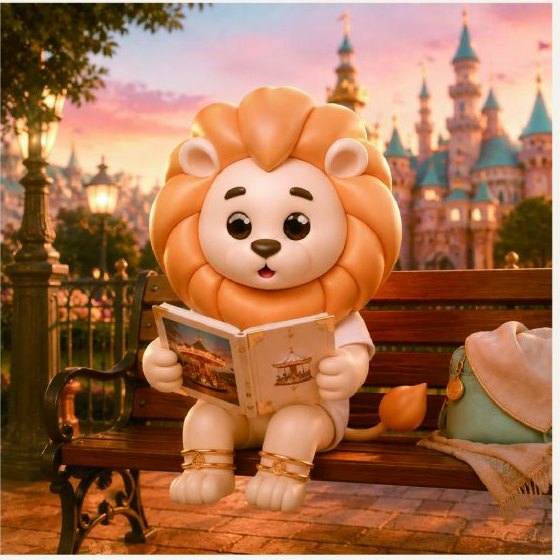 CompanionshipService pages, everyday posts
What we deliver
- Character designHero portrait and identifying marks
- Scene systemFive frames: welcome, setting out, focus, celebration, companionship
- Key visualFull key visual, turnaround views and extended scenes
- 3D characters3D characters and extensions
- Usage notesUsage notes for every set
Character System
Character system
72 sets, 71 characters. The lion appears in two sets. Tap a card to see its five frames.
Lead Character
Golden-Maned Lion Cub
A guide who waves from the doorway. The white top and golden-brown mane are recognized at a glance, so the poster, pack front and avatar use it to settle who the brand is.
- Type
- Animal character · lion
- Mood
- FriendlyWarmLikes to lead the way
- Marks
- Golden-brown maneWhite top
- Signature frame
- Welcome · waving at the door
- Typical uses
- Poster · pack front · avatar · splash · service pages
Character profiles
Name, fit, mood and identifying marks, drawn from each set’s usage notes.
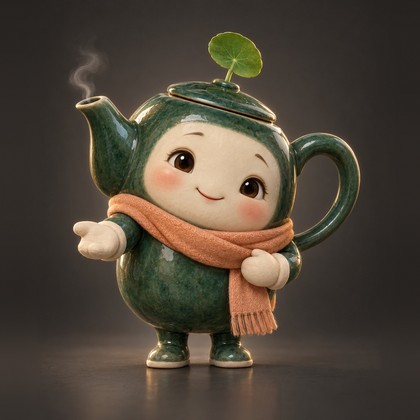
Jade Teapot Spirit
- For
- Tea culture and lifestyle brands
- Mood
- MellowHospitable
- Marks
- Jade teapot bodyLeaf lid emblemSteam

Indigo Programmer
- For
- Technology brands and innovation projects
- Mood
- RationalInventive
- Marks
- Indigo jacketRound glassesSix-dot backpack badge
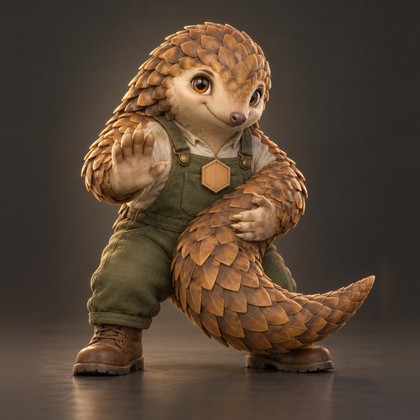
Golden-Armored Pangolin
- For
- Green brands and sustainability projects
- Mood
- SteadyReliable
- Marks
- Golden-brown scalesHexagonal wooden badge
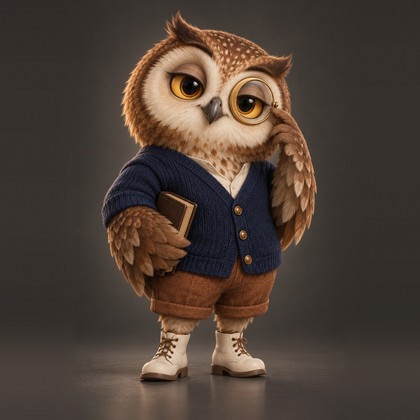
Amber Owl
- For
- Knowledge brands and night-city projects
- Mood
- LearnedCalm
- Marks
- Amber eyesPale face discCrescent monocle

Green Sprout Chef
- For
- Food brands and urban culinary projects
- Mood
- FriendlyHomely
- Marks
- Green apronChef’s hatLeaf pin

Cobalt Dolphin
- For
- Coastal cities and sports brands
- Mood
- AgileEnergetic
- Marks
- Cobalt skinSilver bellyLife buoy
All characters
Filter by type, then open any card for the full five frames.
About the five-frame set
The scene system breaks one character into five ready-to-use images. The hero image makes the character instantly recognizable; the four action poses show where this identity belongs. The five work as one set, not five separate redesigns.
Debut goes where first impressions happen: posters, front of pack, profile avatars. Before anyone reads a word, the silhouette, palette and expression must read clearly.
Kickoff goes where things begin: splash screens, campaign key visuals, short-video covers. Arms and legs in motion are what create the rhythm.
Focus goes where something needs explaining: product guides, use cases, feature pages. The gaze stays on one task. The character is helping, not posing.
Celebration marks the milestones: holidays, new arrivals, launches. The expression opens up; the persona stays the same.
Companionship goes where the brand is closest to people: service pages, member days, everyday content. Closeness is what makes people want to meet again.
All 32 sets below follow this order. Names follow the nameplate in each image; we don’t add a separate numbering scheme beside it. Open the full-size image to see the character, then read the lines below on how to use it. The copy can change; the silhouette, signature colors and that one distinctive mark cannot.
Read each set for identity first, then for context. Identity is the silhouette, the colors and the one mark no one else has: a mane, armor, horns, a hat, headphones, a bottle, a plaid, a topknot. Context is where each of the five images goes. If the identity doesn’t hold, no amount of detail about context will help.
The hero image should be full-body, or a half-body shot where the mark is visible. The four action images can move in closer, but must never crop out the mark. Square, landscape and portrait formats are all cropped from this one set, with no separate character drawn “just for squares.”
For side-by-side review, scale all five to the same width. The set passes only if the mark is intact, the colors hold and each expression fits its context. If one image looks like a different character, drop it rather than making do.
Text follows the images rather than sitting on top of them. The images establish who the character is; these lines say whether each one goes on a poster, splash screen, guide page, milestone or service page. Clicking an image still opens the full view, and the text never blocks the click.
When one character appears in two sets, like the Golden-Mane Lion Cub, it’s because the contexts ran out, not the names. Folders are organized by character, not by image count, so no new names are created. Paired characters, such as the Blue Astronaut and the Pink Astronaut, may share a world but never a color.
The scene system serves a personality the brand has already defined: strength, intelligence, innovation, or warmth and trust. The five images place that personality in concrete contexts, without re-explaining the brand in every frame.
Choose by context, not by preference. When people need to remember who it is, use Debut. When you need a beginning, use Kickoff. When steps or products need explaining, use Focus. For holidays and new launches, use Celebration. For service and everyday moments, use Companionship. Never stack all five on one layout.
Nameplate numbers follow the artwork. On some boards, the printed number doesn’t match the file order; Roundy Reindeer’s nameplate is one example. The text adds no numbering of its own, so nothing conflicts with the nameplates. Go by name, not by the order we happened to count.
Deliver in sets of five: the hero image first, followed by Kickoff, Focus, Celebration and Companionship. File names follow the character name on the nameplate. Don’t rename on export, and don’t split the five into five folders without a character name. The Golden-Mane Lion Cub has two sets; the second is still called Golden-Mane Lion Cub, just for a different context. It gets a separate folder, not a new character. The Blue Astronaut and the Pink Astronaut go in two folders, with the color in the file name; the pink set should never be filed inside the blue one. Roundy Reindeer’s nameplate number doesn’t match the file order, so the delivery list uses the character name, not our own count.
Read this chapter image first, text second. The images tell you who it is; the text answers only three questions: what context this image is for, which detail cannot change, and how the next image differs in context but not in persona. The scenes don’t rewrite the brand story, mention pricing, or draw comparisons with other clients’ projects. If something needs changing, change the copy and the placement. The silhouette, signature colors and that one mark stay in the image. With all five side by side, first ask whether the mark is still there, then whether this image belongs on a poster, splash screen, guide, milestone or service page.
On narrow screens, the five images stack above and the notes sit below. View the whole set first, then read how to use it. The text isn’t shrunk into footnotes, and the 32 sets aren’t collapsed into one long essay at the bottom of the page. Each set stays with its own nameplate, so it’s easy to pull by character. A single layout carries only the one or two images from the set that fit its context; the rest stay in the system for next time. When pulling images, note on the list whether each is for a poster, splash screen, guide, milestone or service page, never “any one will do.”
Key Visuals
Key visual
Selected key visuals, turnaround views and extended scenes
See the other 38 key visuals
3D characters
3D characters
3D characters and extensions
See the other 12 3D frames
Character Library
Character library
51 character images. Tap to enlarge.
Applications
Applications
One set covers every touchpoint from first greeting to everyday company.
Brand identity and social
Make the character the face of the brand: posters, brand pages, avatars and social accounts, so people learn who it is first.
Frame: WelcomeProducts and packaging
Use it on pack fronts, product explainers and feature pages, guiding users through the product step by step.
Frame: A focused momentCollaborations and merchandise
Extend collaborations and merchandise around the identifying color and signature marks: change props between occasions, not the character.
Frame: CelebrationEvents and exhibitions
Festivals, launches and in-person displays: celebration frames carry a clear date.
Frame: CelebrationAnimation and short video
Splash screens, campaign covers and short-video covers start from the “setting out” pose, and can grow into motion content.
Frame: Setting outService and community
In service pages, membership and everyday posts the frame moves closer, so people look forward to meeting it again.
Frame: Companionship
Which applications to use is agreed after we understand the brand and its audience.
Licensing Partnerships
Licensing and collaboration
Settle the scope of use first, and the collaboration lasts.
Licensing Partnerships
Licensing and collaborations
begin with a clear agreement.
Scope, term, territory and copyright follow the contract between both sides. Settling these first gives collaborations, merchandise and extensions a clear footing.
- 01Scope of useWhere and in which media and channels the character is used, such as online, packaging and events.
- 02Term and territoryHow long the license lasts and where it applies.
- 03Copyright ownershipOwnership follows the contract between both sides. We suggest settling it before the project starts.
- 04Usage rulesEvery set ships with usage notes: outline, identifying color and signature marks stay fixed.
Custom character
Design a character for the brand from its core value, with a scene system and key visual.
Extension and application
Extend an existing character into 3D, scene frames and applications.
Collaboration and licensing talks
For collaboration or licensing, share the use case, scope and term first, and we go through them one by one.
Process
How we work
Steps are adjusted to each project.
- 01Brand researchUnderstand the core value, audience and use cases of the brand.
- 02ConceptExplore personified or symbolic directions from the core value.
- 03Character lockLock the hero portrait and identifying marks: outline, color and signature details.
- 04Scenes and key visualExtend welcome, setting out, focus, celebration and companionship frames, and complete the key visual.
- 053D and extensionsBuild 3D characters and applications where needed.
- 06Notes and deliveryWrite the usage notes and export the hero portrait and action frames.
What kinds of IP characters can you make for our brand?
This page shows animals, personified characters, human characters and 3D characters. The form we choose starts from the core value of the brand and its audience.
What is in one set?
One set on this page is a hero portrait plus four action and scene frames, with usage notes. The hero portrait is exported on its own, followed by the action frames.
Can you make 3D characters?
See the 3D characters section on this page. Whether a project needs 3D, and how far to take it, is confirmed when we talk through the brief.
How are timeline and cost decided?
Timeline and cost depend on the number of characters, the style and the scope of use, and are assessed once we understand the brief. Call 400-629-1588 to talk.
How are copyright and scope of use agreed?
Copyright and licensing scope follow the contract between both sides. We suggest settling them before the project starts.
How do we get started?
Call 400-629-1588 or leave a request on the contact page. We start with the brand background and use cases, then agree how to work together.
Give your brand a character of its own.
Tell us about the brand, the audience and where the character will appear.
Hotline 400-629-1588
Before we talk, think about these four things
- 01Brand and audienceThe core value of the brand and the people to reach.
- 02Where it will appearWhere the character will appear: packaging, events, online or elsewhere.
- 03Quantity and styleRoughly how many characters, and the style you lean toward.
- 04Timing and licensingYour target timing and early thoughts on scope of use.
SET 01 / 72
Golden-Maned Lion Cub (First Set)
One hero portrait plus four action and scene frames
Usage notes
A warm welcome.The Golden Mane Cub stands at the door and waves, revealing its white top and golden-brown mane at a glance. This is the image for the main poster, the front of the pack and the avatar: it establishes “who” first. The doorway and archway are simply this image's setting; when moving to a plaza or interior, keep the wave at the same height.
Energetic start.The hand is already raised, the feet still planted. Use this opening move for splash screens and event covers: things are starting, and there's still time to join in. If a cover needs a square crop, keep the hand and mane; don't reduce it to just a face.
Moment of focus.The expression is a touch more composed, eyes fixed ahead. Use it for product explainers and feature pages, where the character seems to lead the way rather than take a bow. When leading, props sit at its side and never cover the white top on its chest.
Joyful celebration.A relaxed smile is all it takes. For festivals and launches, change only the expression and props; the mane, top and palette stay as they are. Celebrations can add streamers, but streamers must never cover the golden-brown mane.
Warm companionship.The distance closes in, reserved for service pages and everyday content. What people remember is that they can meet it at the door again. Close-ups crop above the chest, and the line between golden mane and white top must remain.
All five images share the same silhouette. Scenes can change; identifying colors cannot. At delivery, the hero image is exported on its own, followed by the four poses in order (welcome, start, focus, celebration, companionship), with “Golden Mane Cub” in each file name.
SET 02 / 72
Golden-Maned Lion Cub (Second Set)
One hero portrait plus four action and scene frames
Usage notes
A warm welcome.The name tag still reads Golden Mane Cub. A second set for the same character adds a new occasion; it doesn't create another lion. The waving stance remains the hero image. The second set doesn't reintroduce the character: it assumes the audience already knows this lion.
Energetic start.The start still begins with a raised hand. Short-video covers reuse this pose so viewers don't have to recognize the character anew. The raised hand can be mirrored, but left and right must be consistent across the whole set, never mixed.
Moment of focus.Swap the prop for whatever needs explaining; keep the features and mane unchanged. Explainer pages speak through props, not a new face. When the prop changes, the doorway can go, but the lion's proportions stay.
Joyful celebration.Festivals add atmosphere only, never a new outfit color. A celebration is simply another day for the same lion. Ambient light can run a little warm, but the white top must never take on another color.
Warm companionship.Close-ups go to membership and service, wide shots to the main poster. The two sets divide the work; the character remains one. Membership content uses this set's close-ups, while the key visual keeps the full-body shot from the first set.
If the second set shares the first set's stance, don't give it a new name. Different occasion, same persona. This set gets no separate file name: it sits in the same character folder as the first, distinguished by occasion rather than by a new name.
SET 03 / 72
Red-Maned Sports Lion
One hero portrait plus four action and scene frames
Usage notes
A warm welcome.The crimson mane and sportswear are the identifiers. The hero image shows both mane color and outfit in full; don't layer other characters onto the poster. The red of the sportswear must stay distinct from the crimson of the mane, each color within its own boundary.
Energetic start.This one is for kickoffs: the start of a run, a match, a season. Limbs stretched wide, it suits event key visuals and the first frame of short videos. If the leading foot leaves the frame, the other must stay in, so the direction reads clearly.
Moment of focus.The action pauses just before the burst of effort. Use it for training, product features and process explainers, so people see it at work. Process pages cover one action at a time; don't cram an entire workout into a single image.
Joyful celebration.The post-finish-line expression is reserved for launches and season finales. The sense of victory comes from the action, not an added slogan. The finish scene can include a crowd, but the lion must be at the front, never blocked.
Warm companionship.A sporty character needs a resting image too. Service pages and everyday content use it, so the set isn't all sprint. Even at rest, it wears the same sportswear, never loungewear.
Once the crimson mane is set, all four following images return to that color. However fast it runs, it never becomes a different lion. After exporting the five Crimson Mane Sport Lion images, view them side by side and check the mane color first. If one leans orange, the whole set goes back, not just that one image.
SET 04 / 72
Silver-Armored Swordsman Bear
One hero portrait plus four action and scene frames
Usage notes
A warm welcome.The silver armor is the silhouette; the bear face is the expression. The hero image must make both clear for the pack front to be recognizable. Highlights on the silver armor follow the plates and never blur into a single patch of white.
Energetic start.The armor stays; the motion moves forward. For launches, kickoffs and new features going live, this image says “forward.” In that forward step, the shoulder plates must match the hero image.
Moment of focus.Weapon or gesture held back. Use this for rules, craftsmanship pages and passages that call for seriousness. In serious passages, the weapon is lowered or sheathed, and the face is left clear.
Joyful celebration.The armor can shine; the expression should relax. On festive posters, don't let the armor hide the smile. Festive light can fall on the armor, but it must never cut into the bear's round face.
Warm companionship.Close-ups show the face. Service and membership content relies on the face, not the armor. Service-page close-ups show at least half the face and one piece of armor: always both.
The armor is clothing, not another character. Lighting can change; the armor's shape cannot. For the Silver-Armored Swordsman Bear, check the number of plates and the roundness of the face first. Right armor with a thinner face still doesn't pass.
SET 05 / 72
Blue Sports Deer
One hero portrait plus four action and scene frames
Usage notes
A warm welcome.Blue and antlers register first. The hero image locks in the antler shape and outfit color, and the four poses follow suit. The blue of the outfit must stay consistent: not sky blue in one image and navy in the next.
Energetic start.The legs are moving. Use this for splash screens, road runs and travel campaigns, with direction kept consistent. The antlers move as it runs, but their base must never shift to the back of the head.
Moment of focus.Head lowered or gaze focused. Use it for routes, steps and pages where details need to be seen. When studying a route, the antlers stay on top of the head; don't crop them for the sake of white space.
Joyful celebration.Leaps and open poses are saved for milestone posters. The antler silhouette remains the same. The height of the jump may vary; the leg proportions may not.
Warm companionship.Coming closer. Use this for family, companionship and everyday content, with the blue still present. Up close, the blue extends from the outfit to the edge of the frame, so color is seen first.
Crop the antlers, and this is no longer the Blue Sport Deer. The hero image and all four poses must keep them. Before export, scale all five Blue Sport Deer images to the same width. If the antlers look noticeably shorter in any one, the set isn't ready.
SET 06 / 72
Flower Spirit
One hero portrait plus four action and scene frames
Usage notes
A warm welcome.Flower and face appear together. The main poster shouldn't show only the flower, or only the face. Place the flower by the hand or beside the head, never spread so wide that the sprite's shoulders disappear.
Energetic start.Petals or body carry direction. Use this for spring, launches and light campaign covers. Direction comes from the body, not from stretching petals into arrows.
Moment of focus.A hand near a flower or small object. Use it for ingredient, material and process explainers. The object sits between the hands, with the face filling roughly half the frame.
Joyful celebration.Flowers can be in full bloom, but the sprite's features must never be covered. Festivals and anniversaries rely on the face for recognition. In full bloom, leave a clear ring around the eyes so the features remain.
Warm companionship.The flower gets smaller, the character closer. Use this for greetings, service and member days. In greeting close-ups, keep just one flower, as a marker.
The flower is a prop; the sprite is the character. Props can change with the seasons; the face cannot. When lining up the Flower Sprite images, find the eyes first. If eye positions vary too much across the five, rework them, however consistent the flowers are.
SET 07 / 72
Bear in a Deer Hat
One hero portrait plus four action and scene frames
Usage notes
A warm welcome.The hat is this character's name. The hero image must show the hat, or it becomes a different bear. Keep the distance from crown to brim identical across all five.
Energetic start.The hat stays on, the body leans forward. Event covers can move; the hat can't fall off. When the body tilts forward, the hat follows the head rather than staying behind.
Moment of focus.The expression beneath the brim must be clear. On explainer and feature pages, avoid big movements that crop the hat out of frame. Explainer pages tilt the brim up just enough to show the eyes.
Joyful celebration.The hat can tilt a little, but its shape can't change. Festive posters use the same hat. If festivals call for ornaments, add them to the side of the hat; never change its style.
Warm companionship.Close-ups are almost all face and hat. Everyday content relies on this pairing for recognition. Everyday close-ups crop from brim to chin, with the hat still the focal point.
Images without the hat don't belong in this set. Lose the identifier and the five fall apart. For the Antler-Hat Cub, check in this order: hat, face, body. Any image without the hat is removed outright.
SET 08 / 72
Round Reindeer
One hero portrait plus four action and scene frames
Usage notes
A warm welcome.Roundness and reindeer antlers form the silhouette together. The hero image uses the full body so its round volume reads. In full-body shots, leave a little margin around the antlers above and the shadow below.
Energetic start.The round body in motion. Use it for short videos and splash screens; momentum comes from displacement, not from stretching the body. Show movement through horizontal lines in the background, keeping the body round.
Moment of focus.Still round, with smaller movement. Suited to scenes of seeing a task through. Small actions move just one hand; the round outer contour stays put.
Joyful celebration.The expression opens up; the body never stretches. Milestone posters keep the same roundness. Festive decorations wrap around its sides, never cinching into the body and changing its round shape.
Warm companionship.A little closer. Service pages use close-ups, with the round edge still intact. Close-ups crop at the shoulders, and the curve of the shoulders remains part of the circle.
Round is its body shape, not a filter. Don't slim it down in any of the four poses. The Round Reindeer must still read as round in thumbnails. If a thumbnail becomes a sliver, the crop has cut away its volume.
SET 09 / 72
TOLOBEAR Maple Leaf Bear
One hero portrait plus four action and scene frames
Usage notes
A warm welcome.The maple leaf and the bear form a single mark. The hero image fixes the leaf's position, which stays put when scenes change. The leaf's tip points in a fixed direction: not left in one image and right in the next.
Energetic start.The leaf moves with the character but never flies off. Campaign covers can suggest wind, but the signature mark must stay attached. The breeze may lift the leaf tips; the stem stays anchored in its original position.
Moment of focus.The leaf becomes a prop or a small detail in the background. Use this image for autumn, materials and story pages. In stories, the character can hold a leaf, provided its shape matches the one on the body.
Joyful celebration.Add more leaves, but give the bear’s face greater clarity. On festive posters, the bear should register before the season. Any extra leaves should be smaller; the leaf on the body remains the largest.
Warm companionship.Make the leaf smaller and the face larger. Everyday content should not become a landscape. Place the leaf in a corner of the composition and bring the bear’s face back to the center.
Whenever the TOLOBEAR lettering appears, keep it with the maple leaf rather than creating a separate logo. When both elements appear in the TOLOBEAR maple-leaf bear identity, the leaf comes first; the lettering must not become a standalone mark.
SET 10 / 72
White Bear with Gold Pendant
One hero portrait plus four action and scene frames
Usage notes
A warm welcome.White fur and a gold pendant create the defining contrast. Show the pendant in the hero image, or the character risks becoming just another white bear. Keep its size consistent in proportion to the head width.
Energetic start.The gold pendant moves with the character. Use this image for splash screens: the pendant provides the sparkle, not a new outfit. In motion, the pendant should trail slightly behind without changing shape.
Moment of focus.The pendant rests while the character focuses on a task. On product and craftsmanship pages, the gold stays in its usual place. As the character works, the pendant hangs down rather than swinging in front of the face.
Joyful celebration.The gold can shine brighter. Add light for festive posters without changing the pendant’s shape. Apply the extra highlights only to the metal; keep the fur white.
Warm companionship.Keep a glimpse of gold in close-up. This small signature maintains recognition on service pages. If the crop removes the pendant, do not use the image as a service-page hero.
Once the pendant’s shape is set, use it as the reference for all four action poses. It cannot be round in one and square in another. When the gold-pendant white bear images sit together, look first for that touch of gold. Any image without it stays out of the hero rotation.
SET 11 / 72
Headphone Bear
One hero portrait plus four action and scene frames
Usage notes
A warm welcome.The headphones define this character’s voice. They must be visible in every front or side view of the hero image, and hands must not obscure them on packaging. Keep the headband connected; do not draw two separate earcups.
Energetic start.Moving forward, headphones on. Use this image for music, commuting and youth-event covers. If a cable is shown while the character walks, it must always hang from the same side.
Moment of focus.The headphones stay on while the character listens or works. Use this image on feature pages to show a character with a life of its own. Listening means a slight tilt of the head, not taking the headphones off to inspect them.
Joyful celebration.Let the rhythm loose; keep the headphones on. Use this image for celebrations and live-event energy. Create the atmosphere with lighting and crowds, while keeping the headphones black.
Warm companionship.The volume seems to turn down. Use a close-up for everyday and member content, with the same headphones still in place. The circular earcups should be clearly visible: they are the signature.
Without the headphones, this becomes a different bear. Keep them in all five images. The headphone bear’s earcups must still read as two circles in a thumbnail. If those circles disappear, keep the image as a work in progress only.
SET 12 / 72
Streetwear White Bear
One hero portrait plus four action and scene frames
Usage notes
A warm welcome.The clothing is an identifier, not a backdrop. Establish its cut and color in the hero image. Use just one dominant clothing color, with accessories limited to small accents.
Energetic start.The clothes move with the body. Use this image for street-style covers and campaign key visuals. The moving hem should follow the direction of the stride.
Moment of focus.Keep the clothing details visible. Use this image for individual pieces, materials and styling guidance. For material descriptions, show a close-up section of the garment while keeping the face visible alongside it.
Joyful celebration.A small accessory can be added, but the main outfit stays the same. Carry this look through new-launch posters. If a second garment needs to be shown, place it in the character’s hands rather than replacing the outfit being worn.
Warm companionship.Less posing, more face. Service pages should not turn the clothes into a catalog shoot. Reduce posed hand gestures and let the face and neckline register first.
A seasonal wardrobe change needs a separate set; do not mix two outfits within these five images. Sample the fashion-forward white bear’s main color across all five with an eyedropper. If any shows a noticeable hue shift, correct it before export.
SET 13 / 72
Long-Eared Rabbit in Red
One hero portrait plus four action and scene frames
Usage notes
A warm welcome.The red outfit and long ears must appear together. Show the ears in full in the hero image; do not crop them into short ears. Keep everything from base to tip within the frame, with no tips cut off at the edge.
Energetic start.Give the ears a clear direction and keep the red outfit visible. Use this silhouette for splash screens and campaigns. Build it around the red and the outer contour of the ears; internal details can be simplified.
Moment of focus.Choose either drooping or upright ears, then keep that choice consistent across all four images. Use this image for steps and instructions. Once the ear position is set, use it in every panel of the four-part explainer.
Joyful celebration.Make the red brighter, but keep the ears complete. This outline carries recognition on festive posters. The red can become more saturated; the pink inside the ears must not turn red.
Warm companionship.Bring the ears into close-up. In everyday content, let people notice the ears first and the red second. Frame from the ear tips to the collarbone, leaving just a corner of the red outfit.
The long ears define the silhouette. Cropping them out of any image breaks recognition across the set. Both ears of the red-clad, long-eared rabbit must be readable in every outer contour. If they cannot be counted, recompose the image.
SET 14 / 72
Hippo in a Red Shirt
One hero portrait plus four action and scene frames
Usage notes
A warm welcome.This character is recognized by its bulk. Use a full-body hero image to express the hippo’s width. Leave space around the body and, at minimum, keep the shoulders fully visible.
Energetic start.A big body in motion. Leave enough room around it on campaign covers; do not crop the body. Use horizontal lines in the background to suggest movement, and avoid tilting the body so far that it looks unstable.
Moment of focus.Smaller gestures, the same sense of scale. Use this image on pages explaining a large object. Place the hippo beside the object so its bulk provides a clear comparison.
Joyful celebration.Give the mouth and expression more freedom. Occasion-led posters can feel lively without slimming the silhouette. Darken a busy background so the red shirt remains the clearest area.
Warm companionship.Move closer, but preserve the width of the shoulders. Service pages should not crop down to a face alone. Frame to the chest so the shoulders still feel wider than the head.
Narrowing the body to fit a square defeats the red-shirted hippo’s identity. Measure shoulder width consistently across all five images. If the shoulders have been trimmed to fit a square, return to a landscape composition.
SET 15 / 72
Sporty Panda
One hero portrait plus four action and scene frames
Usage notes
A warm welcome.The black-and-white markings and sportswear must work together. Make both clear in the hero image, so this is more than a generic panda. Follow the natural fur markings; clothing color blocks must not disrupt them beyond recognition.
Energetic start.Extend the limbs into an athletic pose. Use this image for competition launches, season openings and splash screens. The starting arms and legs should establish a single direction, guiding the viewer’s eye.
Moment of focus.Pause midway through an action. Use this image for training steps and product features. Show one step per action; save the next step for the next image.
Joyful celebration.Keep the black-and-white contrast, but relax the expression. Do not introduce a different palette for festive use. Celebrate with small color accents while black and white remain dominant.
Warm companionship.After exercise, bring the character closer and let it sit. Everyday content should bring it off the field and back into people’s lives. Keep the sportswear neckline visible when seated, suggesting it has just finished playing.
A panda without sportswear does not belong in this set. The outfit is what distinguishes it from other pandas. Read the sports panda’s black and white first, then its clothing. If the outfit is right but the markings are unclear, the image cannot serve as an avatar.
SET 16 / 72
Running Fawn
One hero portrait plus four action and scene frames
Usage notes
A warm welcome.The running pose is the name made visible. Preserve its direction in the hero image; do not turn it into a standing pose for posters. The head and body should face the same way, rather than looking at the camera while the body runs on.
Energetic start.This image is almost a direct extension of the hero pose. Use the run itself for splash screens; there is no need to draw a separate starting pose. A landscape composition works best. For portrait crops, retain the head and front legs.
Moment of focus.Ease from running into watching the path. Use this image for routes, navigation and process content. The gaze should fall on the ground ahead, not on the viewer.
Joyful celebration.Save the leap for occasion-led posters. Create height without changing body proportions. Establish the position of all four legs at the peak of the leap, rather than varying it from image to image.
Warm companionship.Slow the pace without losing recognition. Use the slower pose for service and everyday content. Keep the feet in contact with the ground so the deer reads as pausing, not becoming a different animal.
The five images can vary in speed, but the deer’s build and directional logic must remain consistent. The running fawn may move faster or slower across the set, but it must not suddenly look back in one image. A backward glance needs a separate set.
SET 17 / 72
Blue Astronaut
One hero portrait plus four action and scene frames
Usage notes
A warm welcome.The helmet and blue color should register first. Establish a fixed visor shape in the hero image. Keep one strip of reflection on the visor while ensuring the eyes inside remain clearly readable.
Energetic start.Walk forward or float gently. Use this image for launch, exploration and new-feature covers. When floating, the feet can leave the ground, but keep the head close to its height in the hero image.
Moment of focus.Make the expression inside the visor visible. Explainer pages need more than a helmet silhouette. Enlarge the eyes and brows within the visor, leaving only the helmet rim in view.
Joyful celebration.Keep the helmet on and open up the gestures. Festive posters do not call for removing the equipment. Use open palms rather than adding a second set of gear.
Warm companionship.Move in toward the visor. Service pages should reveal an expression inside. Follow the visor’s circular shape in the crop, leaving blue around the edges.
Blue is this set’s identifying color. Do not mix it with the pink astronaut shown later. Do not combine blue and pink astronaut images in a single row within the same export folder just to fill out the set. Give each its own row.
SET 18 / 72
Pink Astronaut
One hero portrait plus four action and scene frames
Usage notes
A warm welcome.This is the other color identity in the astronaut pair. Establish pink as its signature in the hero image; do not render it blue. Keep the pink at a consistent lightness across all five images, rather than pink in one and almost white in another.
Energetic start.The movements can be similar, but the colors must stay distinct. When the two cover sets appear together, color tells people who is who. Whenever both astronauts share a frame, keep pink consistently on the same side throughout the set.
Moment of focus.Draw this character’s expression clearly and independently inside the helmet. Do not reuse one face for both sets on feature pages. Frame the individual expression with the pink helmet rim and keep blue out of the background.
Joyful celebration.Save the pink glow for occasion-led posters. Stay with this palette rather than introducing a last-minute costume change. The glow should be pink ambient light, not a new color for the suit.
Warm companionship.Keep close-ups pink too. In everyday content, this character and the blue astronaut each speak in their own voice. Show only this pink identity in everyday close-ups to avoid mistaken identity.
Paired characters can share a world, but not an identifying color. Use pink alone across these five images. Include “pink” in the pink astronaut’s export filenames to prevent accidental swaps with the blue set in post-production.
SET 19 / 72
Blue Bottle Buddy
One hero portrait plus four action and scene frames
Usage notes
A warm welcome.The bottle is both a prop and part of the name. Show bottle and character together in the hero image. Keep the proportions of the bottle’s opening, body and base consistent across all five images.
Energetic start.The bottle travels with the character. Use this image for covers about setting off or bringing something to someone. While walking, keep the bottle beside the body and clear of the face.
Moment of focus.Focus the gaze on the bottle. Use this image for ingredients, capacity and usage instructions. For usage guidance, turn the label squarely toward the viewer. If text is indicated, reserve its position rather than writing a new slogan.
Joyful celebration.The bottle stays in hand. Festive decorations are welcome, but its shape must not change. Add decoration around the bottle while keeping its original outline.
Warm companionship.Offer the bottle a little closer. Use this handover gesture for service and everyday content. The hand should enter from one side of the frame, with the bottle positioned between two people.
Change the bottle’s outline and the name no longer fits. Use the same bottle in all five images. Trace the blue-bottle companion’s bottle once, then overlay that outline on the other four. Redraw any that do not match.
SET 20 / 72
Antlered Dumpling
One hero portrait plus four action and scene frames
Usage notes
A warm welcome.The dumpling’s roundness and the antlers’ points must both be present. Use a full-body hero image so both shapes read clearly. Fix the number of antler points; do not alternate between two and three.
Energetic start.Let the round body roll or take a step. Use this contrast for splash screens. When it rolls, the antlers turn with the head rather than staying behind in their previous position.
Moment of focus.Keep the antlers visible and the gesture small. Use this image for scenes about completing a small task. Place the task in front of the dumpling, with the antlers visible behind.
Joyful celebration.Open up the expression without distorting the antlers. Keep this silhouette for festive posters. Route ribbons around the antlers so they do not cover the points.
Warm companionship.Make the close-up even rounder. Everyday content draws on softness; recognition comes from the antlers. Let the round form fill the lower half of the frame and the antlers enter the upper half, keeping both shapes present.
Neither a dumpling without antlers nor antlers without the round body belongs in this set. With the antlered dumpling, read the circle first, then count the antler points. If the roundness remains but the number of points changes, remove the image from the set.
SET 21 / 72
One-Eyed Deer Spirit
One hero portrait plus four action and scene frames
Usage notes
A warm welcome.The single eye is the signature. In the hero image, position it where the antlers cannot obscure it. Keep the eye visible on the same side of the facial centreline across all five images.
Energetic start.Keep the movement light. Use this image for night-time, story and brand-film covers; do not turn the character into an ordinary deer. Suggest lightness through the tips of the hooves, without twisting the body so far that the eye turns out of view.
Moment of focus.Let the single eye focus on one thing. For explainer pages, use a concentrated gaze rather than a large gesture. Place the object close in front of the eye so the relationship is clear.
Joyful celebration.One eye, always. Festive imagery can be bright, but the signature must not become two eyes. Avoid a second highlight around the eye that could be mistaken for another one.
Warm companionship.The close-up is almost entirely eye and antlers. This is the memorable detail for service pages. Place the eye in the upper third of the frame, with the antlers as a secondary layer.
Adding a second eye to make the character “look better” erases its identity. Before delivering the one-eyed deer spirit, hide the body and inspect the face alone. If it can still read as having two eyes, reduce the highlights.
SET 22 / 72
Bearded Creator
One hero portrait plus four action and scene frames
Usage notes
A warm welcome.The beard is the identifier. Define its shape clearly in the hero image; the clothes come second. Keep the beard ending at the same point rather than varying its length between images.
Energetic start.The hands are making something. Use this image for covers about starting work, creating and launching. The object in hand can change, but the grip should remain consistent.
Moment of focus.This is the most important image. Both the gaze and hands focus on the work. Use it for feature and process pages. Place the work on one side and the creator on the other, with both fully visible.
Joyful celebration.Celebrate only once the work is finished. New-launch and occasion-led images should show the result without changing the character. The completed piece must be the same one shown in progress, simply at a different stage.
Warm companionship.Put down the tools and move closer. Everyday content lets the creator simply be present. The empty hand hangs naturally, without obscuring the beard.
Without the beard, this is no longer the same character. Keep the same beard across all five images. For the bearded creator’s process-page cover, use the image showing both person and work, not a portrait alone.
SET 23 / 72
Curly-Haired Boy with Glasses
One hero portrait plus four action and scene frames
Usage notes
A warm welcome.The curls and glasses work together as identifiers. Do not remove the glasses or straighten the hair in the hero image. Keep the frame thickness and volume of the curls consistent across all five images.
Energetic start.Move forward. Use this image for covers about young people and new initiatives. Keep the shoulders relaxed while walking, with the glasses sitting above the tip of the nose.
Moment of focus.Behind the glasses, the gaze falls on a book or screen. Use this pose for explainer pages. Light from the book or screen may reflect in the lenses, but the eyes must remain visible.
Joyful celebration.The glasses stay on when the character smiles. Do not change the hairstyle for festive posters. Keep the frames undistorted and the curls from flattening against the face.
Warm companionship.Make the lenses clear in close-up. This face carries everyday content. Frame from the top of the hair to the chin, keeping both curls and lenses complete.
The glasses and curls are one identity. If either is missing, the image does not count toward this set of five. The curly-haired boy’s glasses must have the same frame thickness throughout. A sudden shift to thinner frames means a different pair.
SET 24 / 72
Thoughtful Woman with Short Curls and Glasses
One hero portrait plus four action and scene frames
Usage notes
A warm welcome.Short curls and a composed expression belong together. Do not turn the hero image into a different, long-haired character. Keep the ends of the hair at a consistent height, roughly just below the ears.
Energetic start.Small steps, clear direction. Use this image for talk announcements, launches and new editorial series. A short stride should create only a little movement in the skirt or hem.
Moment of focus.Look at something specific. Use this image for explanations, methods and processes. Put the object where the gaze actually lands, not behind the head.
Joyful celebration.Relax the expression, not the hairstyle. Keep the same silhouette for occasion-led posters. If adding a headline, position it clear of the hair ends and eyes.
Warm companionship.Close in distance, quiet in tone. Use this image for service pages and everyday content. In close-up, shift the corners of the mouth only slightly and keep the hairstyle’s outline unchanged.
Lengthening the short hair creates a different person. Keep its length fixed throughout this set. Align the hair ends of the thoughtful, short-curled young woman to a horizontal guide. If one image extends below it, trim it back to match.
SET 25 / 72
Woman with a Bun and Glasses
One hero portrait plus four action and scene frames
Usage notes
A warm welcome.The bun defines the silhouette. It must be recognisable even in profile in the hero image; the glasses are the secondary identifier. Keep the bun’s circular shape complete and visibly above the head in side view.
Energetic start.The bun moves with the character but never comes loose. Use this silhouette for campaign covers. During a run or jump, it follows the head as if securely anchored, never unravelling into a ponytail.
Moment of focus.Keep both glasses and bun in the frame. Do not crop the top of the head on feature pages. Leave space above it, and keep feature-page copy clear of the bun.
Joyful celebration.The character can jump; the bun stays put. This shape carries recognition on festive posters. Even at the highest point of a jump, the bun remains attached to the head rather than flying off.
Warm companionship.Keep at least a glimpse of the bun in close-up. Do not switch to loose hair for everyday content. Showing just the lower edge of the bun is enough to suggest the circle above.
Create the loose-hair version separately; it does not belong in this set. Use a circle to check the bun on the girl with glasses. If the bun does not fit in profile, adjust her head position without changing the hairstyle.
SET 26 / 72
Cheerful Young Man in a Suit
One hero portrait plus four action and scene frames
Usage notes
A warm welcome.Show the suit's shoulder line and a bright expression together. The primary image should feel both professional and cheerful. Keep the shoulders level and the smile open enough that the eyes remain visible.
Energetic start.Step forward. Use this image for openings, launches and introductions. The leading foot should point in the same direction as the shoulders.
Moment of focus.Keep the hands and gaze focused on the same task, with the suit sitting neatly. Use this image for explainer pages. Keep the working hands above the waist, and use the same jacket fastening across all five images: either buttoned throughout or open throughout.
Joyful celebration.Make the smile bigger while keeping the shoulder line clear. Keep the suit for milestone posters. Any casual elements should be held as props, not worn.
Warm companionship.Keep the jacket on as the view moves closer. Use the same character on service pages. Frame the close-up from shoulders to head, retaining the level shoulder line as a defining feature.
The suit is this set's signature outfit. Any change of clothing requires a new set; do not mix outfits across these five images. Check the Sunny Young Man in a Suit against a horizontal shoulder guide. If one shoulder is higher, reset the pose.
SET 27 / 72
Easygoing Shirt Boy
One hero portrait plus four action and scene frames
Usage notes
A warm welcome.The loose shirt and relaxed stance define this character. Do not give the primary image a tailored suit silhouette. Let the shirt's folds fall naturally with gravity, and keep its pattern consistent across every image.
Energetic start.A few creases are fine; the character is moving forward. Use this image for youth event covers. Place the weight over the leading foot and let the shirt trail slightly behind to convey speed.
Moment of focus.Show the sleeves and hands at work. Use this image for process pages, keeping the character relaxed. Keep sleeves either rolled or unrolled across all five images. Do not switch to short sleeves on process pages.
Joyful celebration.Make the gesture bigger, but keep the same shirt. Keep the outfit for festive images. Even with more expansive movements, the collar must remain recognizably the same.
Warm companionship.Move closer while keeping the collar in view. Use this familiar silhouette for everyday content. Include the top collar button in close-ups to preserve the character's defining shape.
A suit silhouette would make him too similar to the Sunny Young Man in a Suit. Keep this set in a shirt. Do not reshape the Casual Shirt Guy into a suit silhouette during export. Discard any files altered this way.
SET 28 / 72
Girl in Blue Sweater and Glasses
One hero portrait plus four action and scene frames
Usage notes
A warm welcome.The blue sweater provides the color block; the glasses are the signature detail. Show both in the primary image. Keep the blue hue consistent, without drifting toward purple or green.
Energetic start.Let the color block move with her. Use this blue for splash screens so she is recognizable from a distance. Keep a distinct area of blue visible in walking poses, even at a small scale.
Moment of focus.Keep her gaze clear behind the glasses. On explainer pages, the sweater texture should not distract from her expression. Apply texture to the clothing and keep the face clean so the expression reads clearly.
Joyful celebration.Keep the blue unchanged. Small festive props are welcome, but the clothing color is fixed. Choose prop colors that are distinct from the blue so they do not compete with her signature color.
Warm companionship.Bring out the sweater's texture in close-ups. Use this tactile quality for everyday and service content. The knit should be visible in close-ups, giving service pages a sense of softness.
Changing the blue would make her harder to recognize from a distance. Use the same blue across all five images. Assign one consistent color value to the Blue Sweater Girl with Glasses throughout the set. Manage print and screen files separately, with both specifications recorded for this set.
SET 29 / 72
Girl in Plaid and Glasses
One hero portrait plus four action and scene frames
Usage notes
A warm welcome.The check pattern defines this set's visual language. Establish its scale in the primary image and keep it unchanged. Use the number of checks across a section of the chest as a reference, consistent across all five images.
Energetic start.Show the checks in motion. They should remain visible from a distance on event covers. The pattern must move with the fabric, without sliding across the body.
Moment of focus.Keep the checks visible on the chest while her gaze focuses on the task. Use this image for explainer pages. Her working hands should not completely cover that area of the pattern.
Joyful celebration.Open up the expression and keep the checks unchanged. Use the same fabric to make her recognizable on milestone posters. Choose background colors distinct from the checks so the clothing remains a clear identifier.
Warm companionship.The checks should still be countable in close-up. Keep the pattern for everyday content. Bring the checks into focus against a solid-color background.
The spacing of the checks is part of the design. Use the same fabric across all five images. Choose one image of the Checked Shirt Girl with Glasses as the pattern-density reference, then match the other four to it.
SET 30 / 72
Yellow-Armored Space Bunny
One hero portrait plus four action and scene frames
Usage notes
A warm welcome.Show the yellow armor and rabbit ears together. In the primary image, the ears must extend beyond the armor to distinguish the character from a standard mech. The ears emerge from behind the armor; keep the way their bases are concealed consistent across all five images.
Energetic start.Move the armor forward while keeping the ears visible. Use this image for launch and exploration covers. The ears should follow the body's direction, without swinging sideways into a different animal silhouette.
Moment of focus.Keep the faceplate or expression visible. Feature pages need more than armor alone. Show the expression through the faceplate opening, keeping the opening's shape unchanged.
Joyful celebration.The armor can shine, but the ears must stay outside the helmet. Keep the rabbit identity clear on festive posters. Use a single band of highlight on the armor, and retain the original pink or pale color inside the ears.
Warm companionship.In close-up, the ears should register first, followed by the yellow armor. Use this visual order on service pages. Position the yellow armor below or beside the ears so that hierarchy remains clear.
Tucking the ears into the armor turns the character into a mech and loses the rabbit identity. For the Yellow-Armored Space Rabbit, the ears should register before the armor. Exports showing armor without ears do not belong in this set.
SET 31 / 72
White Kung Fu Bunny
One hero portrait plus four action and scene frames
Usage notes
A warm welcome.White clothing and a kung fu stance define this character. Use a primary pose that shows both hands and ears. Fix the distance between the feet, choosing either a wide or narrow stance for all five images.
Energetic start.Give the movement a clear opening stance. Use this image for openings, challenges and new initiatives. Keep the initiating hand in front of the body and the ears visible behind the shoulders.
Moment of focus.Hold the hands at one clear point in the movement. Use this image for step-by-step and process pages. Show just one hand gesture per image, changing it in the next.
Joyful celebration.Keep the stance and relax the expression. Retain kung fu for festive images. A softer expression should not change the position of the feet; the character stays planted in the same place.
Warm companionship.Lower the fists and move closer. Let everyday content show a quieter side of kung fu. In calm close-ups, lower the hands while keeping both the white clothing and ears visible.
White is the signature color; kung fu is the signature pose. This set needs both. Preserve the structure of the White Kung Fu Rabbit's clothing, avoiding overexposure that obscures the sleeves or stance.
SET 32 / 72
Lime Hoodie Bunny
One hero portrait plus four action and scene frames
Usage notes
A warm welcome.The lime hood is the signature detail. Establish its color and its relationship to the rabbit ears in the primary image. If there are drawstrings or a defined hood edge, retain them across all five images. Reserve lime for the hood.
Energetic start.Let the hood move with the run. Use this color block for splash screens. Keep the hood in place while running, with a consistent length of ear visible at either side.
Moment of focus.Keep the face clear beneath the hood's edge. On explainer pages, do not let the hood obscure the eyes. Retain catchlights even in shadow so the expression remains visible.
Joyful celebration.Keep the lime unchanged. Carry the same color into festive posters. Any other greens, such as background foliage, should be less saturated than the hood.
Warm companionship.Keep the hood on and move closer. Use this familiar silhouette to close everyday content. Finish the final set with a close-up showing all three elements: hood, ears and face. This completes the scene system.
Use the same hood, rabbit ears and signature color across all five images of the Lime-Hooded Rabbit. At export, check that the character name matches the image. Changes in action must preserve the character's defining silhouette.
SET 33 / 72
Cloud Courier
One hero portrait plus four action and scene frames
Usage notes
A warm welcome.Use the Cloud Messenger's primary image for posters, covers and avatars, keeping the cloud silhouette, blue jacket and cloud-shaped bag clasp consistent.
Energetic start.Use the forward-moving pose for event openings, new initiatives and short-video covers.
Moment of focus.Use more restrained gestures for product explainers, process presentations and educational content.
Joyful celebration.Use an open, expressive face for festive, launch and celebration imagery.
Warm companionship.Use close-ups for everyday communication and service content, preserving facial features and signature colors.
Use the same character across all five images, with a consistent silhouette, palette and identifying details.
SET 34 / 72
Berry Deer
One hero portrait plus four action and scene frames
Usage notes
A warm welcome.Use the Berry Deer's primary image for posters, covers and avatars, keeping the berry-red antlers, cream muzzle and seed-shaped scarf clasp consistent.
Energetic start.Use the forward-moving pose for event openings, new initiatives and short-video covers.
Moment of focus.Use more restrained gestures for product explainers, process presentations and educational content.
Joyful celebration.Use an open, expressive face for festive, launch and celebration imagery.
Warm companionship.Use close-ups for everyday communication and service content, preserving facial features and signature colors.
Use the same character across all five images, with a consistent silhouette, palette and identifying details.
SET 35 / 72
Coral Diver
One hero portrait plus four action and scene frames
Usage notes
A warm welcome.Use the Coral Diver's primary image for posters, covers and avatars, keeping the teal diving suit, goggles on the forehead and coral-shaped shoulder insignia consistent.
Energetic start.Use the forward-moving pose for event openings, new initiatives and short-video covers.
Moment of focus.Use more restrained gestures for product explainers, process presentations and educational content.
Joyful celebration.Use an open, expressive face for festive, launch and celebration imagery.
Warm companionship.Use close-ups for everyday communication and service content, preserving facial features and signature colors.
Use the same character across all five images, with a consistent silhouette, palette and identifying details.
SET 36 / 72
Moon Owl
One hero portrait plus four action and scene frames
Usage notes
A warm welcome.Use the Moonlight Owl's primary image for posters, covers and avatars, keeping the indigo-purple feathers, heart-shaped facial disc and silver crescent consistent.
Energetic start.Use the forward-moving pose for event openings, new initiatives and short-video covers.
Moment of focus.Use more restrained gestures for product explainers, process presentations and educational content.
Joyful celebration.Use an open, expressive face for festive, launch and celebration imagery.
Warm companionship.Use close-ups for everyday communication and service content, preserving facial features and signature colors.
Use the same character across all five images, with a consistent silhouette, palette and identifying details.
SET 37 / 72
Lemon Gardener
One hero portrait plus four action and scene frames
Usage notes
A warm welcome.Use the Lemon Gardener's primary image for posters, covers and avatars, keeping the lemon peel, green leaves on top of the head and green overalls consistent.
Energetic start.Use the forward-moving pose for event openings, new initiatives and short-video covers.
Moment of focus.Use more restrained gestures for product explainers, process presentations and educational content.
Joyful celebration.Use an open, expressive face for festive, launch and celebration imagery.
Warm companionship.Use close-ups for everyday communication and service content, preserving facial features and signature colors.
Use the same character across all five images, with a consistent silhouette, palette and identifying details.
SET 38 / 72
Forest Maker
One hero portrait plus four action and scene frames
Usage notes
A warm welcome.Use the Forest Artisan's primary image for posters, covers and avatars, keeping the moss-green apron, brown work boots and wooden oak-leaf brooch consistent.
Energetic start.Use the forward-moving pose for event openings, new initiatives and short-video covers.
Moment of focus.Use more restrained gestures for product explainers, process presentations and educational content.
Joyful celebration.Use an open, expressive face for festive, launch and celebration imagery.
Warm companionship.Use close-ups for everyday communication and service content, preserving facial features and signature colors.
Use the same character across all five images, with a consistent silhouette, palette and identifying details.
SET 39 / 72
Silver Bot
One hero portrait plus four action and scene frames
Usage notes
A warm welcome.Use the Silver Robot's primary image for posters, covers and avatars, keeping the rounded silver body, teal eyes and circular chest light consistent.
Energetic start.Use the forward-moving pose for event openings, new initiatives and short-video covers.
Moment of focus.Use more restrained gestures for product explainers, process presentations and educational content.
Joyful celebration.Use an open, expressive face for festive, launch and celebration imagery.
Warm companionship.Use close-ups for everyday communication and service content, preserving facial features and signature colors.
Use the same character across all five images, with a consistent silhouette, palette and identifying details.
SET 40 / 72
Ember Dragon
One hero portrait plus four action and scene frames
Usage notes
A warm welcome.Use the Flame Dragon's primary image for posters, covers and avatars, keeping the coral-red scales, cream horns and flame-shaped pendant consistent.
Energetic start.Use the forward-moving pose for event openings, new initiatives and short-video covers.
Moment of focus.Use more restrained gestures for product explainers, process presentations and educational content.
Joyful celebration.Use an open, expressive face for festive, launch and celebration imagery.
Warm companionship.Use close-ups for everyday communication and service content, preserving facial features and signature colors.
Use the same character across all five images, with a consistent silhouette, palette and identifying details.
SET 41 / 72
Mint Bear
One hero portrait plus four action and scene frames
Usage notes
A warm welcome.Use the Mint Bear's primary image for posters, covers and avatars, keeping the mint-green fur, white jacket and mint-leaf brooch consistent.
Energetic start.Use the forward-moving pose for event openings, new initiatives and short-video covers.
Moment of focus.Use more restrained gestures for product explainers, process presentations and educational content.
Joyful celebration.Use an open, expressive face for festive, launch and celebration imagery.
Warm companionship.Use close-ups for everyday communication and service content, preserving facial features and signature colors.
Use the same character across all five images, with a consistent silhouette, palette and identifying details.
SET 42 / 72
Stardust Jelly
One hero portrait plus four action and scene frames
Usage notes
A warm welcome.Use the Stardust Jellyfish's primary image for posters, covers and avatars, keeping the translucent purple bell, star-like speckles and four short tentacles consistent.
Energetic start.Use the forward-moving pose for event openings, new initiatives and short-video covers.
Moment of focus.Use more restrained gestures for product explainers, process presentations and educational content.
Joyful celebration.Use an open, expressive face for festive, launch and celebration imagery.
Warm companionship.Use close-ups for everyday communication and service content, preserving facial features and signature colors.
Use the same character across all five images, with a consistent silhouette, palette and identifying details.
SET 43 / 72
Golden Messenger
One hero portrait plus four action and scene frames
Usage notes
A warm welcome.Use the Golden Feather Messenger's primary image for posters, covers and avatars, keeping the golden-yellow feathers, aviator cap and feather-shaped bag clasp consistent.
Energetic start.Use the forward-moving pose for event openings, new initiatives and short-video covers.
Moment of focus.Use more restrained gestures for product explainers, process presentations and educational content.
Joyful celebration.Use an open, expressive face for festive, launch and celebration imagery.
Warm companionship.Use close-ups for everyday communication and service content, preserving facial features and signature colors.
Use the same character across all five images, with a consistent silhouette, palette and identifying details.
SET 44 / 72
Sea Salt Seal
One hero portrait plus four action and scene frames
Usage notes
A warm welcome.Use the Sea Salt Seal's primary image for posters, covers and avatars, keeping the blue-gray body, white muzzle and shell-shaped neckerchief clasp consistent.
Energetic start.Use the forward-moving pose for event openings, new initiatives and short-video covers.
Moment of focus.Use more restrained gestures for product explainers, process presentations and educational content.
Joyful celebration.Use an open, expressive face for festive, launch and celebration imagery.
Warm companionship.Use close-ups for everyday communication and service content, preserving facial features and signature colors.
Use the same character across all five images, with a consistent silhouette, palette and identifying details.
SET 45 / 72
Wisteria Fox
One hero portrait plus four action and scene frames
Usage notes
A warm welcome.Use the Wisteria Fox's primary image for posters, covers and avatars, keeping the pale purple fur, cream tail tip and wisteria-flower cloak clasp consistent.
Energetic start.Use the forward-moving pose for event openings, new initiatives and short-video covers.
Moment of focus.Use more restrained gestures for product explainers, process presentations and educational content.
Joyful celebration.Use an open, expressive face for festive, launch and celebration imagery.
Warm companionship.Use close-ups for everyday communication and service content, preserving facial features and signature colors.
Use the same character across all five images, with a consistent silhouette, palette and identifying details.
SET 46 / 72
Tea Bear
One hero portrait plus four action and scene frames
Usage notes
A warm welcome.Use the Tea Bear's primary image for posters, covers and avatars, keeping the chestnut-brown fur, jade-green apron and tea-leaf headband consistent.
Energetic start.Use the forward-moving pose for event openings, new initiatives and short-video covers.
Moment of focus.Use more restrained gestures for product explainers, process presentations and educational content.
Joyful celebration.Use an open, expressive face for festive, launch and celebration imagery.
Warm companionship.Use close-ups for everyday communication and service content, preserving facial features and signature colors.
Use the same character across all five images, with a consistent silhouette, palette and identifying details.
SET 47 / 72
Pomelo Penguin
One hero portrait plus four action and scene frames
Usage notes
A warm welcome.Use the Pomelo Penguin's primary image for posters, covers and avatars, keeping the teal body, white belly and pomelo-segment badge consistent.
Energetic start.Use the forward-moving pose for event openings, new initiatives and short-video covers.
Moment of focus.Use more restrained gestures for product explainers, process presentations and educational content.
Joyful celebration.Use an open, expressive face for festive, launch and celebration imagery.
Warm companionship.Use close-ups for everyday communication and service content, preserving facial features and signature colors.
Use the same character across all five images, with a consistent silhouette, palette and identifying details.
SET 48 / 72
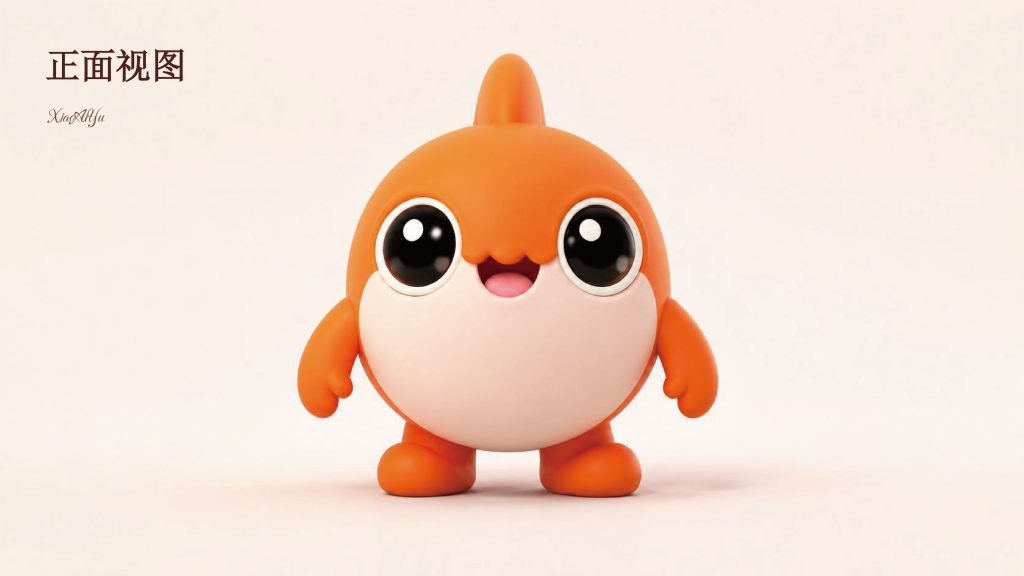
Sunset Fish
One hero portrait plus four action and scene frames
Usage notes
A warm welcome.Use the Sunset Fish's primary image for posters, covers and avatars, keeping the orange-to-peach gradient body, fan-shaped tail and golden sun marking consistent.
Energetic start.Use the forward-moving pose for event openings, new initiatives and short-video covers.
Moment of focus.Use more restrained gestures for product explainers, process presentations and educational content.
Joyful celebration.Use an open, expressive face for festive, launch and celebration imagery.
Warm companionship.Use close-ups for everyday communication and service content, preserving facial features and signature colors.
Use the same character across all five images, with a consistent silhouette, palette and identifying details.
SET 49 / 72
Obsidian Knight
One hero portrait plus four action and scene frames
Usage notes
A warm welcome.Use the Obsidian Knight's primary image for posters, covers and avatars, keeping the rounded graphite armor, indigo cape and silver diamond-shaped badge consistent.
Energetic start.Use the forward-moving pose for event openings, new initiatives and short-video covers.
Moment of focus.Use more restrained gestures for product explainers, process presentations and educational content.
Joyful celebration.Use an open, expressive face for festive, launch and celebration imagery.
Warm companionship.Use close-ups for everyday communication and service content, preserving facial features and signature colors.
Use the same character across all five images, with a consistent silhouette, palette and identifying details.
SET 50 / 72
Coral Rabbit
One hero portrait plus four action and scene frames
Usage notes
A warm welcome.Use the Coral Rabbit's primary image for posters, covers and avatars, keeping the long coral-pink ears, cream muzzle and shell-shaped buttons consistent.
Energetic start.Use the forward-moving pose for event openings, new initiatives and short-video covers.
Moment of focus.Use more restrained gestures for product explainers, process presentations and educational content.
Joyful celebration.Use an open, expressive face for festive, launch and celebration imagery.
Warm companionship.Use close-ups for everyday communication and service content, preserving facial features and signature colors.
Use the same character across all five images, with a consistent silhouette, palette and identifying details.
SET 51 / 72
Aurora Whale
One hero portrait plus four action and scene frames
Usage notes
A warm welcome.Use the Aurora Whale's primary image for posters, covers and avatars, keeping the deep-blue body, teal belly and white star marking consistent.
Energetic start.Use the forward-moving pose for event openings, new initiatives and short-video covers.
Moment of focus.Use more restrained gestures for product explainers, process presentations and educational content.
Joyful celebration.Use an open, expressive face for festive, launch and celebration imagery.
Warm companionship.Use close-ups for everyday communication and service content, preserving facial features and signature colors.
Use the same character across all five images, with a consistent silhouette, palette and identifying details.
SET 52 / 72
Sun Lion
One hero portrait plus four action and scene frames
Usage notes
A warm welcome.Use the Sunshine Lion's primary image for posters, covers and avatars, keeping the honey-gold body, petal-shaped amber mane and sun-shaped buttons consistent.
Energetic start.Use the forward-moving pose for event openings, new initiatives and short-video covers.
Moment of focus.Use more restrained gestures for product explainers, process presentations and educational content.
Joyful celebration.Use an open, expressive face for festive, launch and celebration imagery.
Warm companionship.Use close-ups for everyday communication and service content, preserving facial features and signature colors.
Use the same character across all five images, with a consistent silhouette, palette and identifying details.
SET 53 / 72
Bluewave Otter
One hero portrait plus four action and scene frames
Usage notes
A warm welcome.Use for brand debuts and welcome imagery with an urban waterfront theme. Keep the shell-shaped crossbody bag and signature emerald green unchanged.
Energetic start.Use for departures, wayfinding and calls to action. Preserve the otter's rounded body, short-leg proportions and shell bag.
Moment of focus.Use for environmental, collaboration and focused service scenes. Retain the pale muzzle and belly, along with bright, expressive eyes.
Joyful celebration.Use for festivals, event milestones and community interaction. Keep the shell bag, and do not add any text or graphics.
Warm companionship.Use for companionship, thanks and warm communication. In close-up, emphasize the whisker spots, bright eyes and emerald-green fur.
Keep the same silhouette across all five images. Settings may change; the signature color and defining detail must remain consistent.
SET 54 / 72
Cloud-Crested Crane
One hero portrait plus four action and scene frames
Usage notes
A warm welcome.Use for cultural brand launches and city welcome imagery. Show the silver cloud crown, ivory plumage and red crown patch in full.
Energetic start.Use for ceremonial departures and public cultural events. Preserve the long neck, long legs and elegant stance.
Moment of focus.Use for art, education and professional service scenes. Keep the cloud crown smooth and free of text, with a consistent proportion of dark feather tips.
Joyful celebration.Use for celebrations, exhibition openings and city festivals. Keep the cloud crown; do not replace it with other headwear or add logos.
Warm companionship.Use for greetings, care and cultural exchange. In close-up, retain the long beak, dark eyes and gentle smile.
Keep the same silhouette across all five images. Settings may change; the signature color and defining detail must remain consistent.
SET 55 / 72
Vermilion Koi
One hero portrait plus four action and scene frames
Usage notes
A warm welcome.Use for waterfront projects, urban regeneration and brand welcome imagery. Retain the vermilion scales, white patches and lotus-leaf backpack.
Energetic start.Use for energetic kickoffs and public-space communications. Keep the fish-shaped body, broad tail and small-foot proportions consistent.
Moment of focus.Use for ecology, gardening and attentive service scenes. The backpack must retain its round lotus-leaf shape and remain free of text.
Joyful celebration.Use for openings, interactive events and festive imagery. Keep the signature vermilion and the character's distinctive form.
Warm companionship.Use for companionship, good wishes and community care. In close-up, emphasize the whiskers, bright eyes and translucent fins.
Keep the same silhouette across all five images. Settings may change; the signature color and defining detail must remain consistent.
Set 56 / 72
Golden-Armored Pangolin
One hero portrait plus four action and scene frames
Usage notes
A warm welcome.Use for green brands and welcome imagery for sustainability projects. Keep the golden-brown scales and hexagonal wooden badge clearly visible.
Energetic start.Use for environmental initiatives and calls to action. Preserve the low-slung body, long tail and short-leg proportions.
Moment of focus.Use for engineering, maintenance and ecological service scenes. Keep the badge blank, with its natural wood texture visible.
Joyful celebration.Use for charitable events and community celebrations. Keep decorative flowers from obscuring the layered scales or signature golden brown.
Warm companionship.Use for protection, companionship and nature education. In close-up, emphasize the pointed snout, amber eyes and finely detailed scales.
Keep the same silhouette across all five images. Settings may change; the signature color and defining detail must remain consistent.
SET 57 / 72
Azure Flame Dragon
One hero portrait plus four action and scene frames
Usage notes
A warm welcome.Use for technology innovation and welcome imagery with an urban energy theme. Retain the jade-green scales, short horns and wind chime at the tip of the tail.
Energetic start.Use for exploration, kickoffs and innovation communications. Preserve the small wings, long tail and young dragon proportions, keeping the character gentle in appearance.
Moment of focus.Use for technology, engineering and green energy scenes. Keep the wind chime fixed to the tail tip and free of text.
Joyful celebration.Use for launches, celebrations and youth community events. Do not use real flames or change the signature jade-green palette.
Warm companionship.Use for encouragement, protection and parent-child communication. In close-up, emphasize the large eyes, short horns and gentle expression.
Keep the same silhouette across all five images. Settings may change; the signature color and defining detail must remain consistent.
SET 58 / 72
Berry Purple Hedgehog
One hero portrait plus four action and scene frames
Usage notes
A warm welcome.Use for community brands and welcome imagery for creative projects. Keep the plum-purple spines and fabric flower on the back clearly recognizable.
Energetic start.Use for relaxed departures and neighborhood events. Preserve the rounded body, short feet and small-hand proportions.
Moment of focus.Use for crafts, education and creative service scenes. Keep the fabric flower as a single three-dimensional bloom, with no added text.
Joyful celebration.Use for markets, festivals and community co-creation. Keep the signature flower on the back; do not replace it with another bloom.
Warm companionship.Use for thanks, friendship and gentle communication. In close-up, retain the large eyes, pink cheeks and soft facial features.
Keep the same silhouette across all five images. Settings may change; the signature color and defining detail must remain consistent.
Set 59 / 72
Amber Owl
One hero portrait plus four action and scene frames
Usage notes
A warm welcome.Use for knowledge brands and welcome imagery for nighttime urban projects. Retain the amber eyes, pale facial disc and crescent-shaped monocle.
Energetic start.For learning journeys and city tours. The rounded head, short legs, and folded-wing pose must retain their friendly proportions.
Moment of focus.For reading, research, and professional consulting. The monocle must remain fixed over the right eye, with no text on the lens.
Joyful celebration.For reading festivals, night tours, and cultural celebrations. Do not alter the owl’s amber primary color or lens position.
Warm companionship.For companionship, Q&A, and quiet conversation. Close-ups should emphasize the large eyes, light-colored facial disc, and small beak.
Keep the same silhouette across all five images. Settings may change; the signature color and defining detail must remain consistent.
Set 60 / 72
Cobalt Dolphin
One hero portrait plus four action and scene frames
Usage notes
A warm welcome.For welcome visuals for coastal cities and sports brands. The cobalt-blue skin, silver belly, and lifebuoy must be clearly visible.
Energetic start.For sports launches and waterfront activities. The streamlined body, dorsal fin, and tail-fin proportions must remain unchanged.
Moment of focus.For training, collaboration, and ocean education. The lifebuoy must stay fixed around the waist and remain a solid color with no text.
Joyful celebration.For competitions, celebrations, and waterfront festivals. Do not add complex equipment or obscure the cobalt-blue primary color.
Warm companionship.For encouragement, interaction, and family companionship. Close-ups must emphasize the rounded forehead, smiling muzzle, and glossy skin.
Keep the same silhouette across all five images. Settings may change; the signature color and defining detail must remain consistent.
SET 61 / 72
Peach Fleece Alpaca
One hero portrait plus four action and scene frames
Usage notes
A warm welcome.For lifestyle brands and commercial-space welcome visuals. The peach-colored fur, flat rounded soft hat, and cream muzzle must remain intact.
Energetic start.For urban exploration and new beginnings. The tall stature, long legs, and relaxed neck proportions must remain unchanged.
Moment of focus.For home, gardening, and premium services. The soft felt hat must be a solid color with no text and retain its flat, rounded silhouette.
Joyful celebration.For member events and lifestyle celebrations. Do not use a pointed hat or alter the peach-toned primary color.
Warm companionship.For neighborhood care and brand companionship. Close-ups should highlight the fur texture, large eyes, and gentle smile.
Keep the same silhouette across all five images. Settings may change; the signature color and defining detail must remain consistent.
SET 62 / 72
Ink Shadow Badger
One hero portrait plus four action and scene frames
Usage notes
A warm welcome.For welcome visuals for city services and safety programs. The charcoal-gray fur, silver forehead markings, and reflective utility bag must remain fixed.
Energetic start.For service launches and public-service communications. The low-set body, broad paws, and short-leg proportions must remain unchanged.
Moment of focus.For maintenance, inspection, and professional execution. The utility bag must have rounded edges and contain no text.
Joyful celebration.For project completion and community celebrations. Do not diminish the badger’s sturdy posture or replace the utility bag.
Warm companionship.For protection, emergency response, and reassurance. Close-ups must retain the forehead markings, thick brows, and dependable expression.
Keep the same silhouette across all five images. Settings may change; the signature color and defining detail must remain consistent.
SET 63 / 72
Lemon Glow Chameleon
One hero portrait plus four action and scene frames
Usage notes
A warm welcome.For welcome visuals for digital creativity and interactive technology. The fluorescent lime skin, rotating large eyes, and building-block emblem must remain.
Energetic start.For creative beginnings and the spread of inspiration. The curled tail, short feet, and rounded body must remain unchanged.
Moment of focus.For design, product, and interactive-experience scenarios. The square building block must be secured by the tail and bear no added symbols.
Joyful celebration.For launches, exhibitions, and celebrations among young communities. Color variation may appear only in localized areas of the cheeks.
Warm companionship.For co-creation, communication, and inspirational companionship. Close-ups must emphasize the bidirectionally rotating eyes and lime-green primary color.
Keep the same silhouette across all five images. Settings may change; the signature color and defining detail must remain consistent.
SET 64 / 72
Violet-Plumed Peacock
One hero portrait plus four action and scene frames
Usage notes
A warm welcome.For welcome visuals for art brands and cultural spaces. The purple feathers, fanned tail display, and round mirror emblem must not be omitted.
Energetic start.For performance openings and arts communications. The slender figure, scale of the tail display, and light standing pose must remain stable.
Moment of focus.For performance, exhibition, and creative-professional scenarios. The central emblem on the tail display must be a plain circular mirror with no text.
Joyful celebration.For art festivals and opening celebrations. Do not let decorative elements obscure the central mark on the tail display.
Warm companionship.For group portraits, greetings, and cultural exchange. Close-ups should highlight the small beak, bright eyes, and purple feather pattern.
Keep the same silhouette across all five images. Settings may change; the signature color and defining detail must remain consistent.
SET 65 / 72
Red-Eared Bat
One hero portrait plus four action and scene frames
Usage notes
A warm welcome.For welcome visuals for the nighttime economy and urban vitality. The ruby-red fur, pointed ears, and diamond chest pad must be clearly visible.
Energetic start.For night tours, delivery, and mobile communications. The short legs, broad wings, and small-body proportions must remain unchanged.
Moment of focus.For ecological, nighttime-service, and observation scenarios. The soft chest pad must be a text-free diamond shape in a fixed position.
Joyful celebration.For night markets, light festivals, and city celebrations. Do not turn the wing membranes into a heavy material.
Warm companionship.For nighttime companionship and reassurance. Close-ups should emphasize the large eyes, pointed ears, and soft fur.
Keep the same silhouette across all five images. Settings may change; the signature color and defining detail must remain consistent.
SET 66 / 72
Silver Bell Tree Frog
One hero portrait plus four action and scene frames
Usage notes
A warm welcome.For welcome visuals for ecological projects and green cities. The mint-green skin, silver spots, and silver bells on both feet must remain.
Energetic start.For environmental initiatives and nature observation. The long legs, suction-cup toes, and rounded body proportions must remain unchanged.
Moment of focus.For monitoring, education, and ecological services. The silver bells must stay fixed around both ankles and contain no text.
Joyful celebration.For public-interest activities and community celebrations. Do not render the character as an ordinary cartoon frog or alter the primary color.
Warm companionship.For family, companionship, and nature education. Close-ups should emphasize the golden eyes, moist skin, and silver bells.
Keep the same silhouette across all five images. Settings may change; the signature color and defining detail must remain consistent.
SET 67 / 72
Rose Cloud Puff
One hero portrait plus four action and scene frames
Usage notes
A warm welcome.For weather services and light, welcoming brand visuals. The rose-colored cloud body, transparent raindrop, and blue neckerchief must remain fixed.
Energetic start.For departures, weather broadcasts, and urban life. The three-lobed cloud silhouette and floating proportions must remain unchanged.
Moment of focus.For gardening, environmental, and data services. The raindrop mark must hang independently and remain transparent with no text.
Joyful celebration.For summer activities and relaxed celebrations. Do not turn the cloud body into a realistic storm cloud or add text.
Warm companionship.For cooling, comfort, and warm companionship. Close-ups should emphasize the soft volumetric light and charcoal-colored large eyes.
Keep the same silhouette across all five images. Settings may change; the signature color and defining detail must remain consistent.
Set 68 / 72
Jade Teapot Spirit
One hero portrait plus four action and scene frames
Usage notes
A warm welcome.For welcome visuals for tea culture and lifestyle brands. The jade-colored body, leaf-shaped lid emblem, and steam must remain.
Energetic start.For urban strolls and tea-event openings. The proportions of the body, spout, handle, and small feet must remain unchanged.
Moment of focus.For tasting, service, and cultural education. The round leaf on the lid must be text-free and remain upright.
Joyful celebration.For seasonal observances, tea gatherings, and community celebrations. Do not add other lid decorations or alter the jade glaze.
Warm companionship.For hospitality, gratitude, and East Asian companionship. Close-ups should emphasize the ceramic sheen, rosy cheeks, and warm steam.
Keep the same silhouette across all five images. Settings may change; the signature color and defining detail must remain consistent.
SET 69 / 72
Golden Orange Lantern
One hero portrait plus four action and scene frames
Usage notes
A warm welcome.For welcome visuals for night-tour projects and festival brands. The crimson lantern body, warm-light panel, and crescent handle must be clearly visible.
Energetic start.For nighttime departures and city tours. The oval lantern body, paper texture, and floating small-hand proportions must remain unchanged.
Moment of focus.For lighting, public services, and cultural routes. The crescent handle must remain a pure shape with no text.
Joyful celebration.For lantern festivals, night markets, and festive celebrations. Do not replace the soft inner glow with a flame.
Warm companionship.For nighttime companionship and reassurance. Close-ups should emphasize the translucent warm light, rosy cheeks, and paper texture.
Keep the same silhouette across all five images. Settings may change; the signature color and defining detail must remain consistent.
Set 70 / 72
Green Sprout Chef
One hero portrait plus four action and scene frames
Usage notes
A warm welcome.For welcome visuals for food brands and urban culinary projects. The teal apron, chef’s hat, and leaf-shaped chest pin must remain.
Energetic start.For store openings, pop-ups, and food-event launches. The young East Asian face and approachable posture must remain unchanged.
Moment of focus.For cooking, quality, and local ingredients. The leaf-shaped pin must remain fixed to the side of the hat and contain no text.
Joyful celebration.For food festivals, collaborations, and celebrations. Do not replace the chef’s hat or weaken the teal primary color.
Warm companionship.For hospitality, recommendations, and community communication. Close-ups should emphasize the warm skin tone, black hair, and natural smile.
Keep the same silhouette across all five images. Settings may change; the signature color and defining detail must remain consistent.
SET 71 / 72
Orange Glow Doctor
One hero portrait plus four action and scene frames
Usage notes
A warm welcome.For welcome visuals for health brands and community healthcare projects. The orange underlayer, white coat, and stethoscope badge must remain stable.
Energetic start.For health initiatives and service launches. The young East Asian woman’s face and upright, approachable posture must remain unchanged.
Moment of focus.For consultations, health education, and wellness management. The chest badge must be a rounded stethoscope shape with no text.
Joyful celebration.For public-interest clinics and health-event celebrations. Do not add exaggerated medical equipment or alter the orange primary color.
Warm companionship.For care, reassurance, and trust-building communication. Close-ups should emphasize the black hair, gentle gaze, and natural smile.
Keep the same silhouette across all five images. Settings may change; the signature color and defining detail must remain consistent.
Set 72 / 72
Indigo Programmer
One hero portrait plus four action and scene frames
Usage notes
A warm welcome.For welcome visuals for technology brands and innovation projects. The indigo jacket, round glasses, and six-dot backpack badge must remain.
Energetic start.For product launches and team departures. The young East Asian man’s face and slim proportions must remain unchanged.
Moment of focus.For R&D, software, and digital services. The badge must remain a circular six-dot pattern and must not be converted into text.
Joyful celebration.For launches, conferences, and team celebrations. Do not replace the glasses or add complex screen text.
Warm companionship.For teaching, collaboration, and technology companionship. Close-ups should emphasize the black hair, transparent lenses, and focused gaze.
Keep the same silhouette across all five images. Settings may change; the signature color and defining detail must remain consistent.