



















TECHNOLOGY Technology
Connecting corporate strategy,
product portfolios and user experience.
For technology companies upgrading their businesses and expanding their product lines, we use strategic research to orchestrate brand, industrial products, digital interfaces, exhibition spaces and communications, giving complex technology clear, consistent design expression.
Brand Architecture · Industrial Products · Digital Interfaces · Exhibition & Communication
PERSPECTIVE / Industry and design
Businesses, products and touchpoints,
need to be designed together.
Technology companies often operate multiple businesses, products and service channels at once. Brand relationships, product naming, technical documentation, websites and exhibition spaces all shape how customers understand a company. Qingmei organizes research and design around these interconnected tasks, so corporate direction, product information and lived experience form a single expressive system.
Our integrated capabilities span strategy and research, visual and brand identity, product and industrial design, digital and interaction, spatial and service experience, and AI and marketing communications. Every discipline starts from the same set of business and user questions, and solutions are tested across product catalogs, devices, web pages, showrooms and communication materials. Projects can be planned holistically or rolled out in phases according to business priorities.
As businesses and products multiply, can customers still clearly understand the value a company delivers?
Within One Project,
Disciplines Working Together
Take building a technology product system as an example: strategic research defines the relationship between group, business units and products; visual design creates a shared identity; industrial design shapes the product family language; digital design builds paths for product discovery and communication; spatial design turns the same content into exhibits and wayfinding; and marketing communications extend it to launches and channel materials. Integrated capability means all of these outputs follow one set of rules and keep working as products evolve.
INDUSTRY PRIORITIES / Industry topics
Organizing disciplinary collaboration around the specific challenges of the technology industry.
From group brands and software platforms to smart products and R&D outcomes, we define the problems to solve, the disciplines involved and how design is applied.
Group & Multi-Business Brands
Where group, divisional, subsidiary and product brands coexist, we clarify the relationship between organizational structure and market expression. We define each brand tier's role, naming and shared assets, build an architecture that can accommodate new businesses, and test the clarity of the hierarchy through website navigation, marketing materials and exhibition prototypes.
Explore Brand StrategyEnterprise Software & Platforms
For software platforms, feature modules and industry solutions, we structure entry points, product descriptions and experience demos. We design distinct reading paths for decision-makers, procurement, administrators and end users, explaining what the product does, the conditions for its use and how it is supported, so specialist content is easier to discuss and compare.
Explore Digital Platform DesignCommunications & Infrastructure
Structure information on networks, systems, equipment and services to move from overall capabilities to specific applications. Use architecture diagrams, scenario illustrations, case studies and exhibition design to connect technical explanations with real-world contexts. Align terminology with visual representation, and develop content versions for different communication settings.
Explore Exhibition & Wayfinding DesignElectronics & Smart Products
Connect product form, identity, packaging, instructions and digital interfaces through a coherent product family language. Define shared characteristics and differences across models, clarify labeling, accessory relationships and usage sequences, and test how well design rules extend through representative products and application prototypes.
Explore Product & Industrial DesignResearch & Innovation Communications
Organize research priorities, portfolios of findings and partnership information around the communication needs of research institutions, technology platforms and corporate R&D teams. Create layered communications through specialist publications, digital portals, display panels and film, retaining source and version information to support dialog across disciplines and institutions.
Explore Professional Publication DesignTrade Shows & International Promotion
Bring together brand identity, exhibit content and business materials in response to each event’s theme, audience, target language and venue. Coordinate visitor journeys, product demonstrations and communication materials, distinguishing reusable assets from content that requires local adaptation. Establish a consistent narrative before, during and after the event.
Explore International Project Collaboration
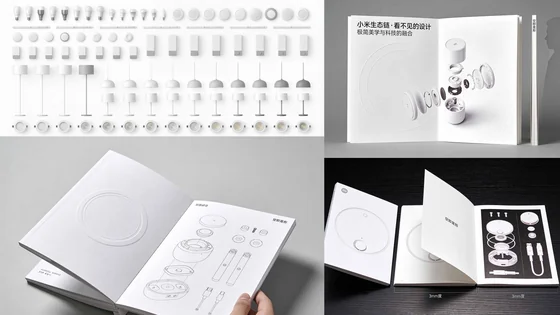
Xiaomi Speaker · Product Design
Explore product work and design applications on our Industrial Design services page.
Explore Related Work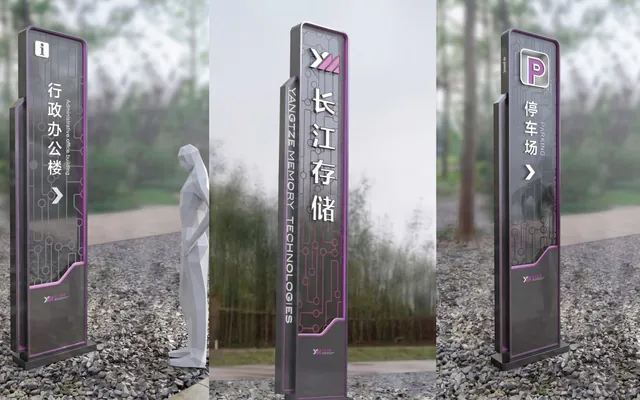
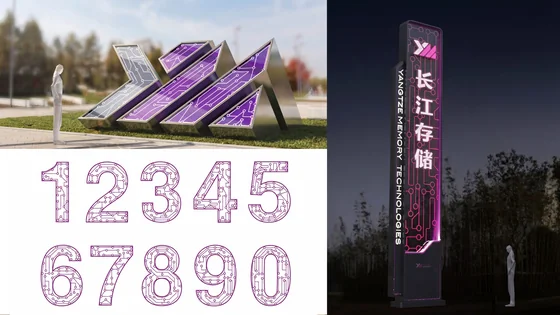
YMTC · Campus Wayfinding
Explore wayfinding for a technology campus through spatial information, routes and signage.
Explore Related WorkPROJECT PRACTICE
See how design translates into practice through our project materials.
Brand identities, specialist publications, digital interfaces and spatial displays reveal the range of design challenges facing technology companies.
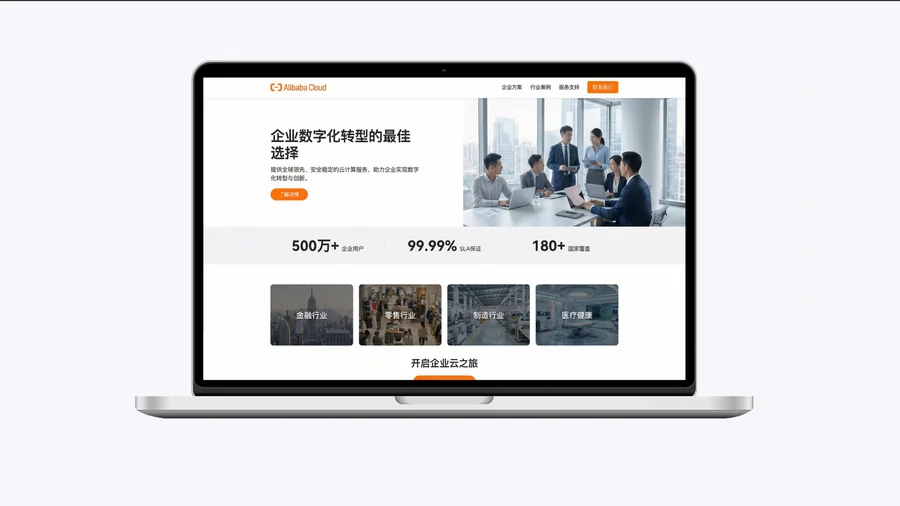
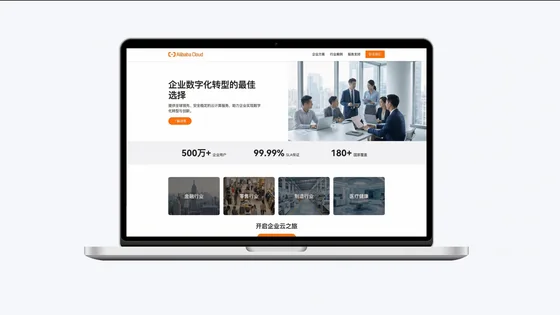
Alibaba Cloud / Digital & Interaction Design
Connecting Brand Expression
with Digital Experience
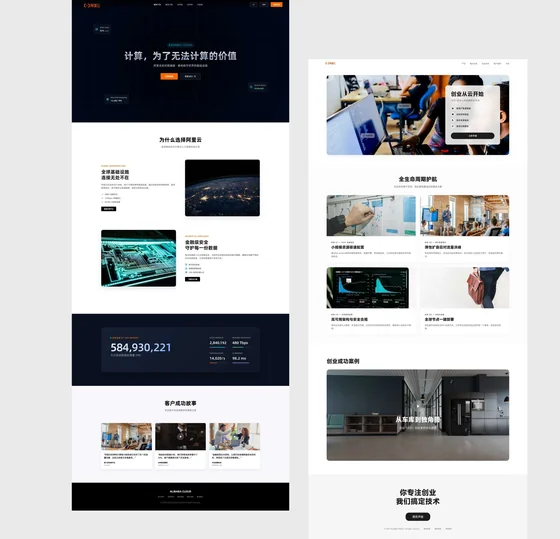
Explore how brand visuals, page hierarchies and digital interfaces connect through our Alibaba Cloud project materials. Shared design rules across pages and devices provide a foundation for content updates and cross-platform applications.
Explore the Alibaba Cloud Project
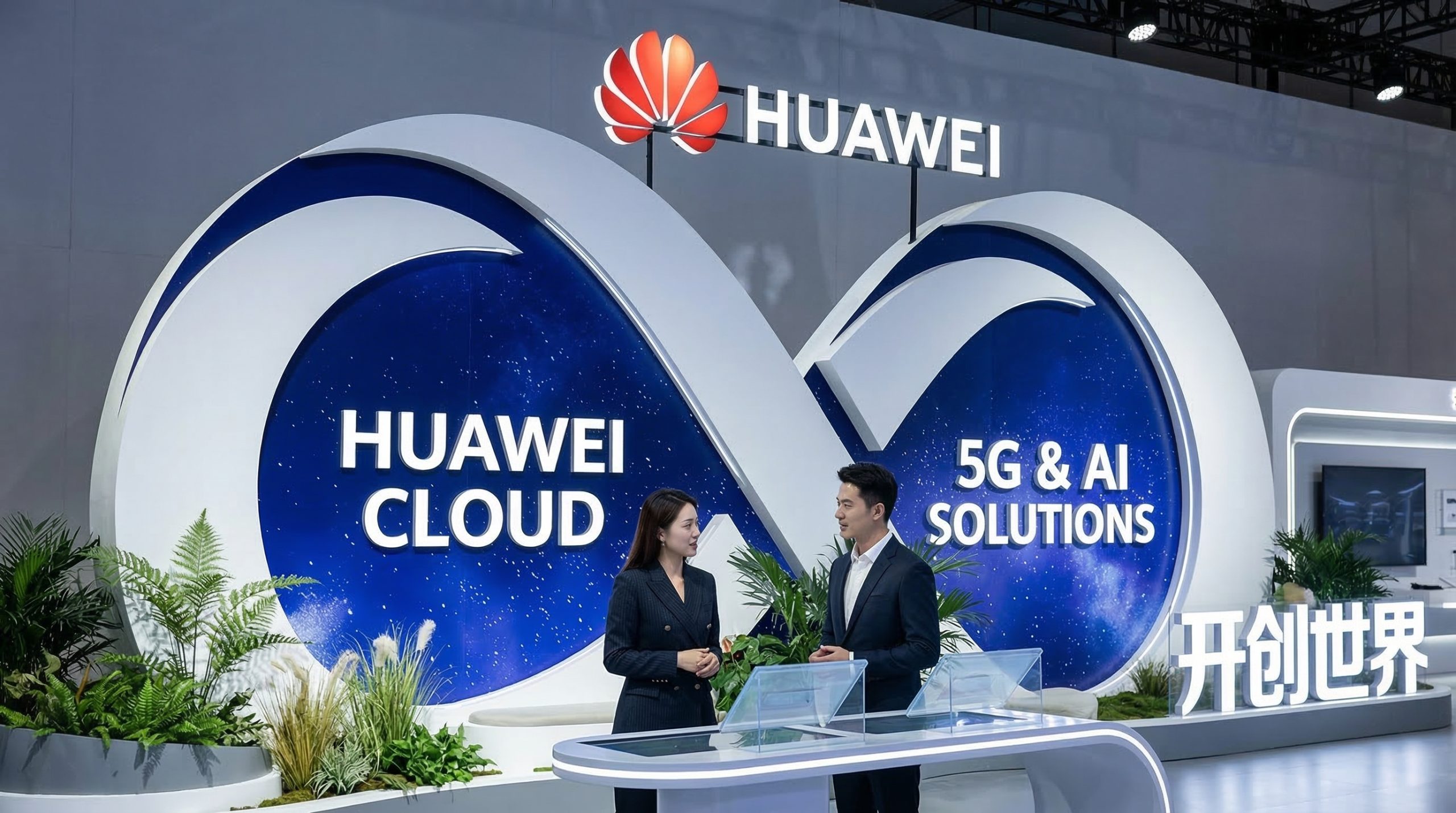
Huawei
Technology Content & Interactive Exhibits
Explore project materials on interactive communications built around technology content and application scenarios.
View project material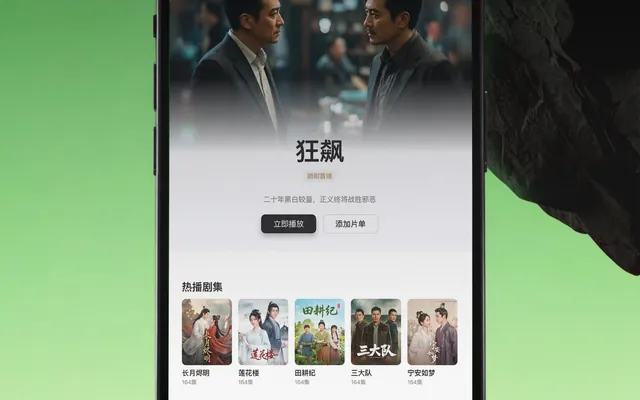
iQiyi
Websites & Cross-Platform Visual Design
Explore design materials for website interfaces, visual systems and digital touchpoints.
View project material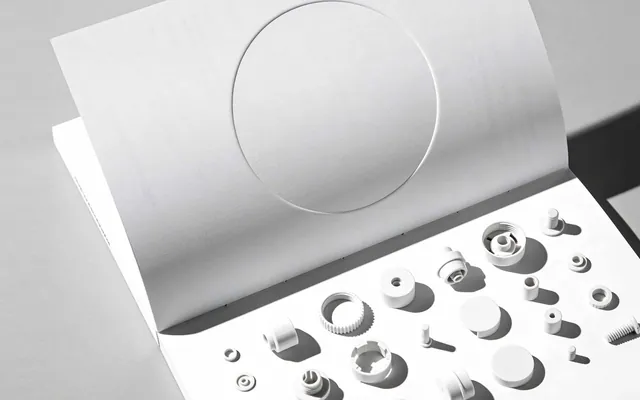
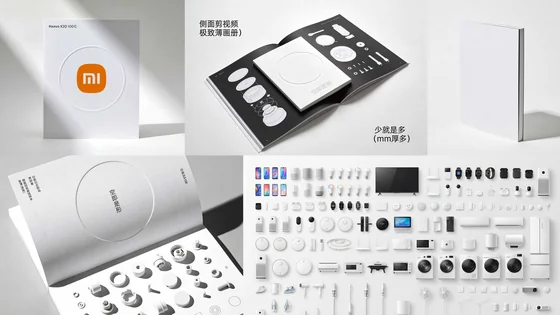
Xiaomi
Brand Brochure Design
See how product information is organized visually through brochure content and layout.
View project material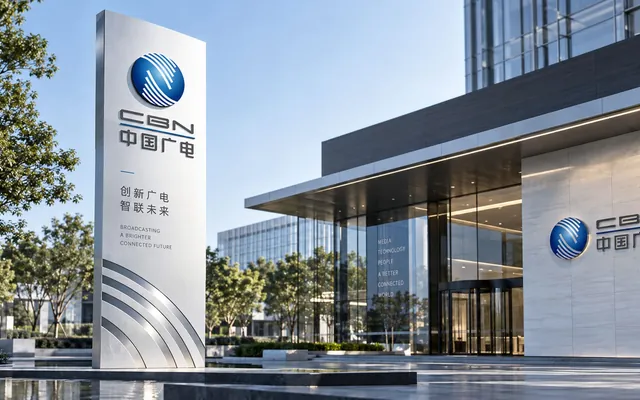
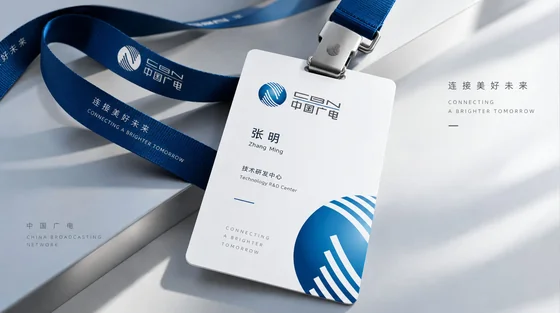
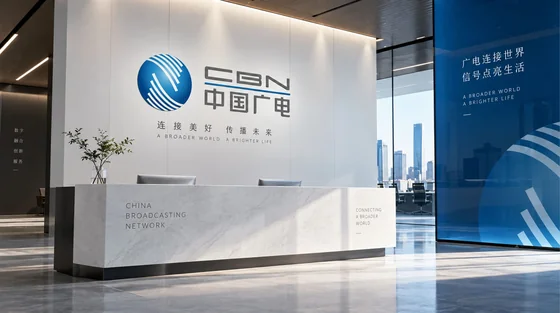
China Broadnet (CBN)
Brand Logo Design
See how an organization’s logo and identity system work across specific touchpoints.
View project materialImages sourced from existing project materials on this site, representing the corresponding design categories. For detailed content and project scope, visit the project page.
CROSS-DISCIPLINARY CAPABILITIES
Six capabilities. One connected design system.
Starting with research and strategy, we bring brand, product, digital, spatial and communication design together, taking each project through to application and delivery.
01Strategy and Research
Begin with the company’s business, technical information, product portfolio and audiences to understand the brand’s role and development priorities. Clarify the relationships between the group, business units, product lines and solutions. Define positioning, value propositions, naming and phased recommendations to give every design discipline a shared basis for decisions.
Main deliverables
02Visual Identity
Translate the relationships between company and product brands into systems of logos, typography, color, graphics and layout. Extend design across specialist materials, packaging, launch assets and digital content. Define shared assets and product distinctions, then use application prototypes to check information hierarchy, legibility and identity consistency.
Main deliverables
03Product & Industrial Design

Explore form, materials, color and use across electronic devices, smart terminals and product portfolios. Consider the corporate brand alongside the product family language, coordinating device branding, packaging and interfaces. Use concepts and prototypes to guide design discussions, working with R&D and manufacturing teams to address practical requirements.
Main deliverables
04Digital and Interaction Design
Study tasks such as professional procurement, product searches and everyday use to structure information across corporate websites, platforms and product interfaces. Develop designs and prototypes for site sections, pages, components, feedback and help content, creating clear paths from technical information and product selection to service inquiries.
Main deliverables
05Spatial and Service Experiences
Coordinate corporate showrooms, product displays, retail spaces and campus information to connect the brand, its products and on-site conversations. Organize exhibits, wayfinding, digital content and materials around visitor journeys and presentation sequences. Check applications through location plans and prototypes, keeping online information consistent with the physical experience.
Main deliverables
06AI & Marketing Communications
Use AI tools to support creative research, diagrams, film and asset production, drawing on the company’s technical information and brand assets. Bring product launches, professional communications and social media into a shared content plan. Technical and business teams validate specialist information, while the design team maintains standards of expression. Templates, review processes and application examples support ongoing updates.
Main deliverables
Projects organize professional teams and deliverables around actual tasks. Research, strategy, design, and implementation share materials and phase outcomes, with related disciplines advancing collaboratively at key reviews.
INSIGHTS
Further thinking on technology, brands and design.
Explore Qingmei Future’s research and approaches to brand architecture, smart hardware, AI content production and more.

In the AI era, brand architecture moves from hierarchy to system
Explore how corporate, business and product brands connect—and evolve together as technology and business change.
Read the article
Industrial Design for Smart Hardware: Balancing Form, Interaction and Mass Production
Understand the interconnected decisions behind smart hardware design through form, user experience and manufacturing requirements.
Read the article
Organizing AI marketing as a content engine
Explore how to organize ongoing content production, from source material and asset management to creative workflows and quality review.
Read the articlePROJECT METHOD
Stage deliverables connect research, design, and implementation.
Six project stages draw on a shared body of information. Joint reviews of content, design and implementation requirements clarify each discipline’s responsibilities and delivery standards.
Define the Organization & Brief
Establish the company’s stage of development, business portfolio, product hierarchy and priority markets. Gather existing brand, technical and communication materials. Define participating teams, scope and phased deliverables, linking the challenges to specific touchpoints in a task list everyone can review.
Research Content & Audiences
Use stakeholder interviews, material analysis and representative use scenarios to understand how different audiences make sense of the company and its products. Document issues with terminology, hierarchy, naming and application. Establish content priorities and design principles as a shared foundation for strategic discussion.
Develop Strategy & Principles
Confirm brand positioning, corporate and product brand relationships, the core narrative and visual direction. Test the strategy through initial examples for the website, product materials and exhibition settings. Explain which brand assets should be retained, refined or created, along with the rationale and requirements for implementation.
Design & Validate Prototypes
Develop identity, digital, product or spatial design, producing key pages, documents and application prototypes. Work with content, R&D, production and business teams to verify specialist information, the reading experience and implementation requirements. Record feedback and prepare final files ready for execution.
Coordinate Implementation & Delivery
Plan rollout, launches or production around priority touchpoints. Check file formats, component specifications, image assets and versions. Provide design notes and handover materials to help internal teams and implementation partners understand the work, and review consistency across key applications within the agreed scope.
Review, Maintain & Extend
Conduct periodic reviews informed by real-world feedback, product updates and new business activities. Assess whether brand hierarchies, content structures and asset use still meet the company’s needs. Set out maintenance and extension priorities, supporting continued use through updated guidelines and team sessions.
- Brand Research & Architecture
- Review the organization’s current position, target audiences, touchpoint challenges and brand relationships. Develop positioning, brand architecture, naming principles and phased implementation recommendations to guide brand expression as the business expands.
- Identity & Product Guidelines
- Define rules for logos, color, typography, graphics and representative product applications. Clarify how corporate and product identities work together, supported by packaging, labeling or communication examples.
- Digital & Content Systems
- Define website sections, page templates, interface components, product content structures and specialist document templates. Link design files to content versions to support collaboration between development and operations teams.
- Exhibition & Communication Materials
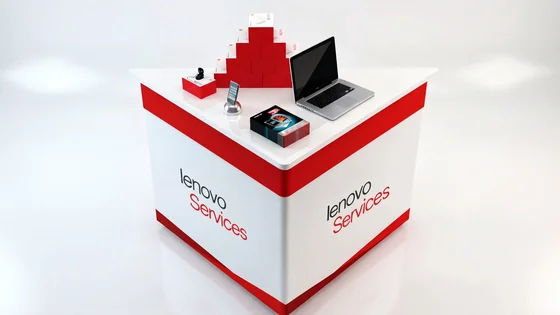
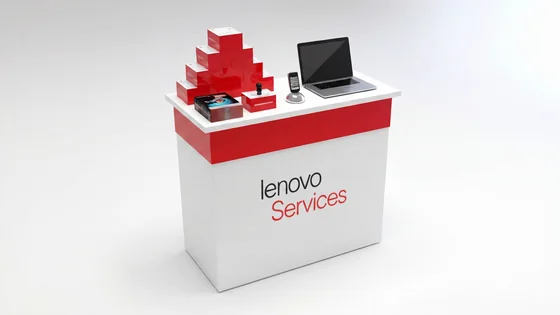
- Develop exhibit content, spatial information, launch assets, product demonstrations and communication documents. Set specifications, production requirements and application scope according to the media and languages involved.
- Management & Handover Documentation
- Provide brand asset inventories, design notes, review checkpoints, version histories and team resources to help internal teams manage product updates and maintain consistency across touchpoints.
WORKING TOGETHER / OUR APPROACH
Build a complete system beginning with current tasks.
Choose a starting point based on the organization’s stage of development, product plans and priority touchpoints, then agree on specialist responsibilities and phased deliverables.
Corporate & Product Brand Systems
For Group Integration, Business Transformation or Multi-Product Branding
Start with the relationships between the company, its businesses and its products to define positioning, naming and identity principles. Validate the approach through the website, product catalog and specialist materials, then roll out applications in line with business priorities.
- Business & Brand Relationship Research
- Positioning, Naming & Identity Systems
- Key Touchpoints and Implementation Recommendations
Digital & Exhibition Touchpoint Optimization
For Websites, Product Materials, Showrooms & Trade Shows
Organize digital pages, specialist documents and on-site displays around real communication and user needs. Use prototypes and application examples to align content, technology and production teams, with clear responsibilities for design and implementation.
- Information Architecture & Interface Design
- Technical Materials & Presentations
- Prototypes, Samples & Handover Files
Cross-Team & Multi-Market Applications
Best Suited For · Ongoing Updates, Cross-Department Collaboration & International Use
Organize brand assets, technical terminology and content templates, and establish approval and maintenance processes across departments. Develop reference applications for representative products or markets, then build out guidelines and version control.
- Shared Assets and Content Modules
- Language & Market Adaptation
- Application Guidelines & Team Handover
Align Technical and Brand Materials
Bring company profiles, technical terminology, product capabilities and case studies into a shared content framework. Technical and business leads verify specialist information, the brand team maintains editorial standards, and the content team manages versions. Clear sources, update dates and review responsibilities help keep websites, showrooms and product brochures consistent.
Support Multiple Languages and Markets
Organize technical terminology, brand names and document structures around target markets, audiences and product stages. Establish rules for shared identity assets and market-specific content, then check consistency across translations, page layouts, diagrams and presentation materials. International applications are planned around specific languages and touchpoints, with scope and local collaboration arrangements defined for each project.
Build a Framework for Ongoing Use
Connect design guidelines with everyday product and content updates, defining asset libraries, file versions and application review processes. For new businesses, products and media, test the rules through representative applications before developing additional guidelines. Training and handover help teams across departments work from shared design principles.
PROJECT QUESTIONS / Collaboration Questions
Clarify key questions before the project begins.
Build specific collaboration scope around materials, professional roles, and application conditions.
Does a Technology Rebrand Require a New Logo?
We first assess the value of the existing identity and the issues it needs to address. Some projects achieve their goals through improvements to brand architecture, typography, guidelines or digital experiences. Research and business needs determine whether a new logo is required.
How Do You Define the Relationship Between Corporate and Product Brands?
We clarify each brand's role, audience and shared assets, then establish a hierarchy for naming, identity and applications to help internal teams stay consistent as the business expands.
Which Digital Touchpoints Can a Project Include?
Projects can cover website information architecture, web interfaces, product communications and interactive experiences. Responsibilities for development, content and delivery are defined at the start of the project.
Should an Existing Portfolio of Product Brands Be Consolidated?
We first study each brand's audience, market perceptions, business relationships and existing assets, then determine what to retain, connect or adjust. Consolidation can happen in stages, using product catalogs, website navigation and sample materials to test the approach. There is no need to change every touchpoint at once.
How Does the Design Team Understand Complex Technology?
The client's technical and product teams provide source materials and verify information. Our designers use interviews, process mapping and discussions of real-world scenarios to understand the communication task. Technical and design expertise inform a shared review process, shaping terminology, diagrams, content hierarchies and reference applications before these are developed for specific media.
Can We Start with a Website or Product Materials?
We can prioritize touchpoints around your immediate needs. Before design begins, we clarify the relevant brand relationships, establish the content basis and identify rules that can support future expansion. Each phase connects to the overall brand principles, allowing the website, brochures and subsequent exhibition design to develop coherently.
CONTINUE EXPLORING
Integrated Capabilities
Explore how strategy, AI, visual and product design work together with digital, spatial and service design.
Explore Our CapabilitiesResearch & Insights
Explore perspectives on brand strategy, AI marketing and brand design.
Explore InsightsIn China and Beyond
Explore how design connects target markets, languages, brand assets and real-world touchpoints.
Explore Our International WorkDesigned Around Technology Innovation,
Around Financial Businesses and Services.
Bring an overview of your company or organization, product and service information, existing brand assets and priority touchpoints. Together, we will clarify the challenge, identify the expertise needed and define deliverables for each phase.
Contact Our Project TeamDiscover Qingmei Future