


















PERSPECTIVES / Organizational & Corporate Communications
Complex information needs a reading order
With a clear hierarchy, charts and text can explain the subject together.
Research Notes
With clear hierarchy, charts and text jointly explain the problem. This article explores the relationship between content, design, and use, offering a judgment framework applicable to project discussions.
First clarify the reader's task.
One document may serve quick reference and detailed review. After distinguishing tasks, arrange summaries, key charts, and detailed explanation so not all content competes for first attention.
Charts must answer specific questions.
Write the question your chart must answer before selecting visualization. Units, legend, source, and annotation together determine comprehension—these are not afterthoughts.
Establish cross-page relationships.
Chapter titles, navigation, and cross-references help readers know where they are and where related content lives. Reading hierarchy spans the full document, not just cover and individual pages.
Bringing it into project discussions
- Accuracy: Do facts, names, data, and charts have clear sources?
- Clarity: Can different readers find information relevant to them?
- Sustainability: Can design and content rules carry forward in the next update?
Bring these questions to real materials and use cases, recording the current version, the rationale for changes and feedback from use. When every adjustment has a clear basis, the team can keep applying these judgments in future work.
Reader's Note
This article presents design methods and project observations written by Qingmei Future for its website. The project links below are provided for reference to existing work and application materials. The methods suggested here do not imply that all listed projects followed the same process, nor do they constitute project outcome data.
Related Work and Capabilities
The links below draw on existing project materials on this site, making it easy to compare related design expression and applications.

Bank of China Visual Identity Upgrade
Finance & Insurance
Read More
Quanjude Group
Food & Beverage
Read More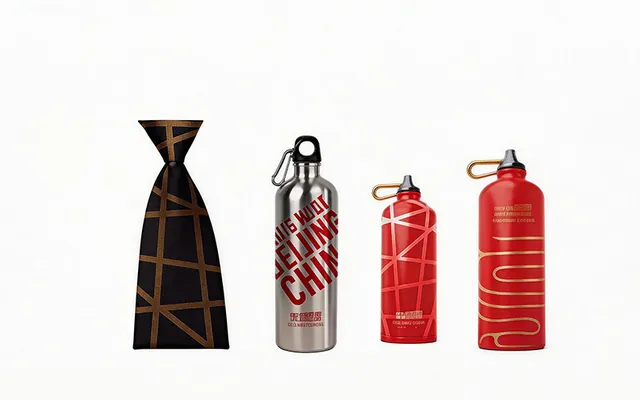
National Stadium (Bird’s Nest) Souvenir Brand Identity
Government & Public Institutions · Sports
Read More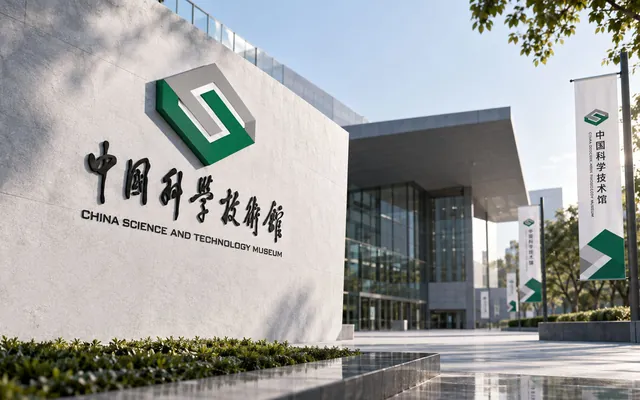
China Science and Technology Museum
Government and Public Institutions
Read More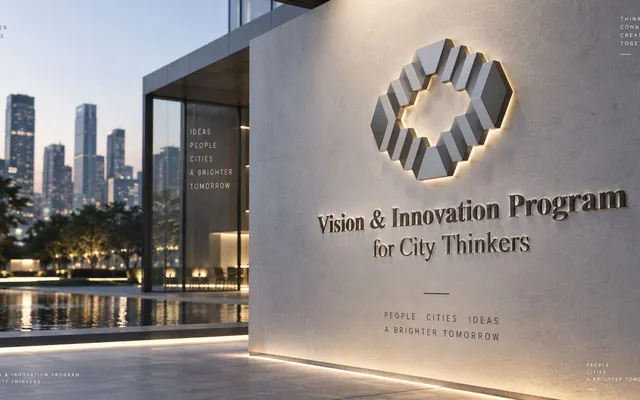
Vision & Innovation Program | Urban Innovation Initiative Logo Design
Government and Public Institutions
Read More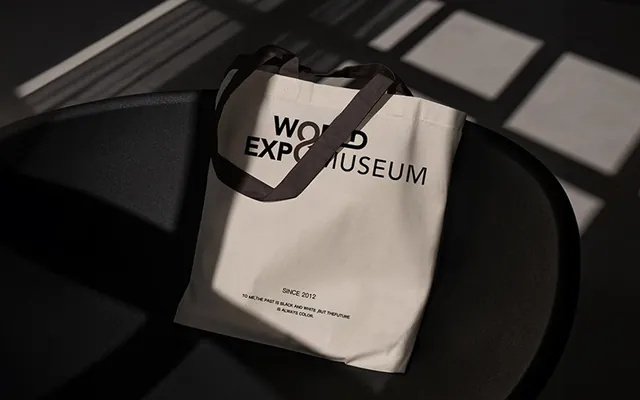
WORLD EXPO MUSEUM | Logo Design
Culture & Media
Read MoreCONTINUE READING Further Reading
Find your next step, starting with the question at hand.
When you get in touch about a project, it helps to share your business context, existing materials, primary use scenarios and the problems you want to solve. We'll use this to discuss scope and how we might work together.
Communicate project requirements ↗