
















PERSPECTIVES / International and Cross-Cultural Expression
Cross-language communication requires content and design to evolve together
The reading patterns of different languages should be considered throughout the design process.
Research Notes
How different languages structure reading should inform design process. This article explores the relationship between content, design, and use, offering a judgment framework applicable to project discussions.
First confirm shared facts.
Names, data, product description, and project background should draw from unified sources. Terminology bridges languages and anchors future revision.
Give language adequate space.
Headlines, paragraphs, and captions vary in length across languages. Format should permit adjustment and be tested with actual content to verify reading and information hierarchy.
Include target readers in review.
After grammar comes context and business comprehension. Have market-familiar people read the material to surface background that needs explanation and partnership details that remain unclear.
Bringing it into project discussions
- Language: Are names, terminology, tone, and number formats consistent?
- Context: Can readers understand the product, company, and partnership approach?
- Delivery: Are typefaces, images, files, and update methods suited to local use?
Bring these questions to real materials and use cases, recording the current version, the rationale for changes and feedback from use. When every adjustment has a clear basis, the team can keep applying these judgments in future work.
Reader's Note
This article presents design methods and project observations written by Qingmei Future for its website. The project links below are provided for reference to existing work and application materials. The methods suggested here do not imply that all listed projects followed the same process, nor do they constitute project outcome data.
Related Work and Capabilities
The links below draw on existing project materials on this site, making it easy to compare related design expression and applications.
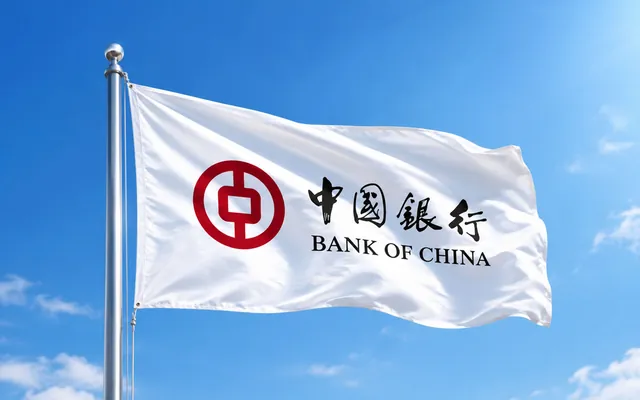
Bank of China Visual Identity Upgrade
Finance & Insurance
Read More
Quanjude Group
Food & Beverage
Read More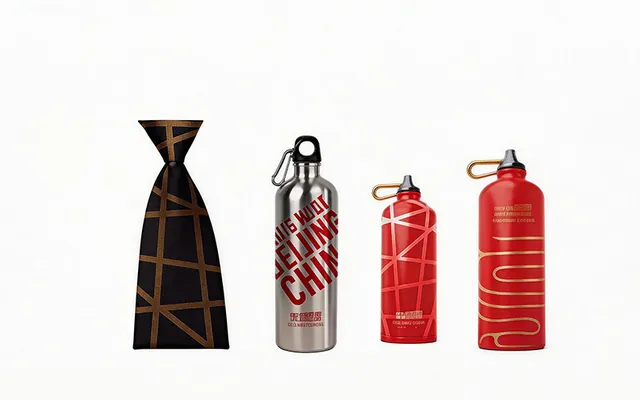
National Stadium (Bird’s Nest) Souvenir Brand Identity
Government & Public Institutions · Sports
Read More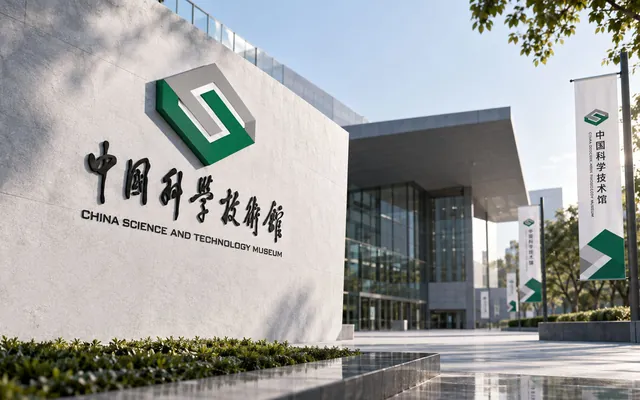
China Science and Technology Museum
Government and Public Institutions
Read More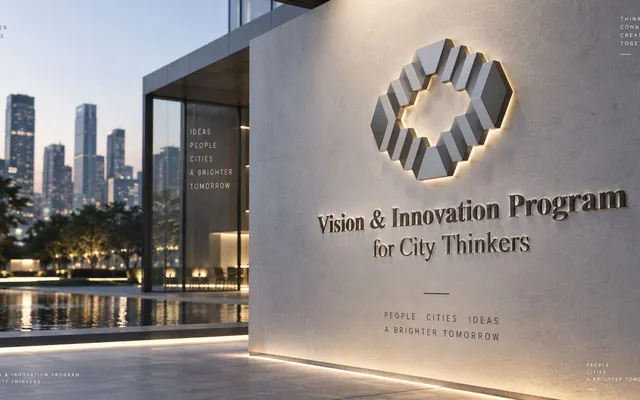
Vision & Innovation Program | Urban Innovation Initiative Logo Design
Government and Public Institutions
Read More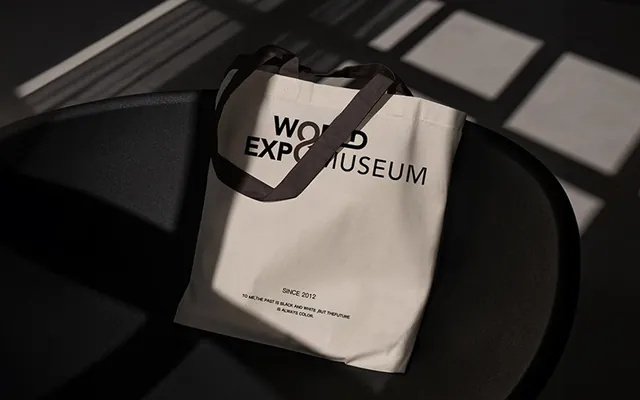
WORLD EXPO MUSEUM | Logo Design
Culture & Media
Read MoreCONTINUE READING Further Reading
Find your next step, starting with the question at hand.
When you get in touch about a project, it helps to share your business context, existing materials, primary use scenarios and the problems you want to solve. We'll use this to discuss scope and how we might work together.
Communicate project requirements ↗