


















PROJECT GUIDE / Spatial & service experience
How to Plan Campus Wayfinding
Build the information system around arriving, making turns and confirming one’s location.
Define the Task First
Build information systems from the tasks of arrival, navigation, and way-finding. At project start, review current materials and typical scenarios together to identify where problems occur, who they affect, and which existing content should continue.
Effective campus wayfinding requires alignment with actual operations, audience needs, and delivery constraints. The following provides a framework for discussion and organization.
Three Stages of Work
Path mapping
Distinguish vehicle, pedestrian, and visitor routes; document relationships between entry points, parking, buildings, and service facilities.
Node design
Place information at different hierarchical levels at arrival points, turning points, and destinations to ensure continuous guidance.
Maintenance protocol
Use updatable content modules for building names, events, and temporary changes; assign clear information maintenance responsibilities.
What to Prepare Before We Talk
- Site plans, entry points, primary circulation paths, and service facilities
- Arrival methods and typical tasks for different user groups
- Site photography, operational guidelines, and information maintenance responsibilities
Representative samples are a good place to start. Past versions, real-world photos and typical feedback illustrate the problem better than style references alone; any missing information can be gathered during project discussions.
How We Discuss and Review
- Arrival: Can first-time visitors confirm their location?
- Navigation: Is guidance continuous and clear at key decision points?
- Maintenance: Can names, events, and temporary changes be updated promptly?
Consistent signage design still requires verification that information flows logically through actual pathways.
Each review round records confirmed directions, required changes and who owns them. Before moving to the next phase, we clarify which materials the changes affect, so strategy, design and implementation stay connected.
Deliverables to Discuss
Circulation diagrams, information hierarchy, location schedule, and signage standards.
Specific quantities, content depth, production scope and timing are determined by project materials and usage conditions. At delivery, we also record file versions, usage instructions and ongoing maintenance responsibilities.
Related Work and Capabilities
The links below draw on existing project materials on this site, making it easy to compare related design expression and applications.
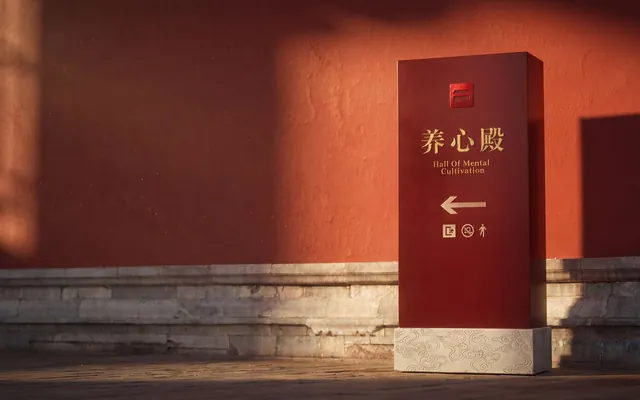
The Palace Museum
Culture & Media
Read More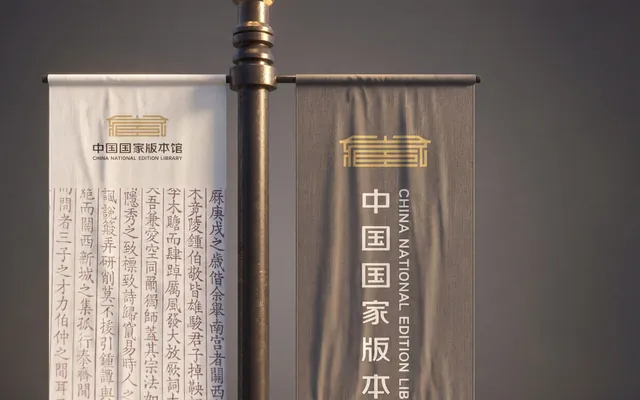
China National Archives of Publications and Culture
Culture & Media
Read More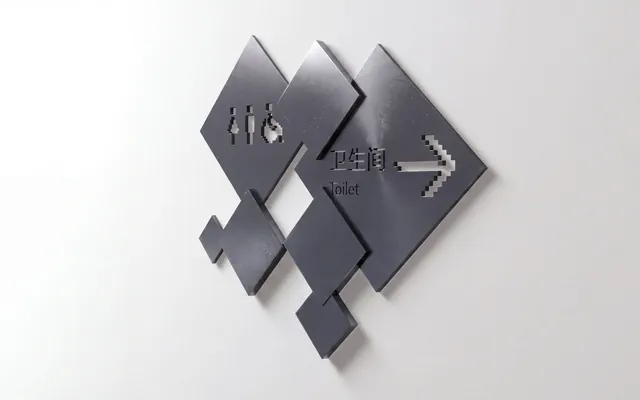
Beijing Science Center Wayfinding System Planning and Design
Government and Public Institutions
Read More
accenture
Services
Read More
Poly Group
Real Estate & Commercial Spaces
Read More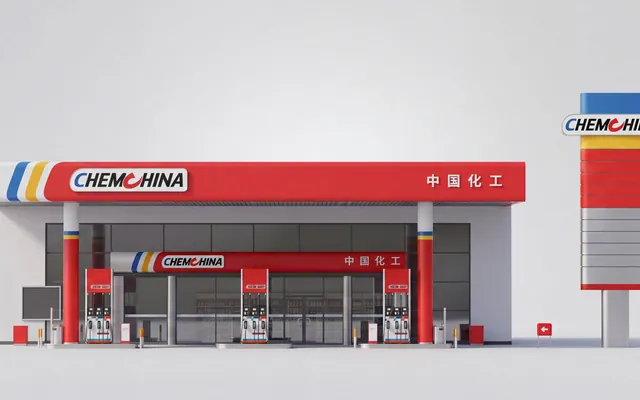
Sinochem Group
Energy & Chemicals
Read MoreCONTINUE READING Further Reading
Find your next step, starting with the question at hand.
When you get in touch about a project, it helps to share your business context, existing materials, primary use scenarios and the problems you want to solve. We'll use this to discuss scope and how we might work together.
Communicate project requirements ↗