

















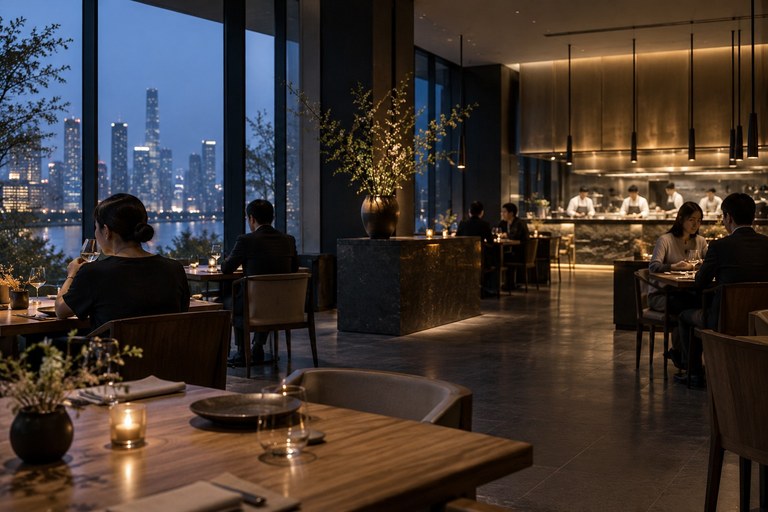
PERSPECTIVES / Digital & AI Content
Content feedback should inform the next brief
Turn observations from each channel into actionable content changes.
Research Notes
Transform channel observation into actionable content adjustment. This article explores the relationship between content, design, and use, offering a judgment framework applicable to project discussions.
Feedback must align with the task at hand.
Reading, consultation, download, and in-person exchange serve different objectives. First clarify what action this content should enable, then gather observations tied to that specific action.
Translate observation into problem.
Where readers pause, what questions they ask, and which information they cannot find guide revision more reliably than volume alone. Content and business teams should jointly interpret these patterns.
Revision requires maintaining evidence.
Document what changed, why it changed, and how to continue observing. Effective versions enter the asset library; rejected directions retain their reasoning so the next project has clear reference.
Bringing it into project discussions
- Input: Are the brief, audience and must-be-accurate information complete?
- Review: Have content and visuals passed both fact and brand checks?
- Application: Does it work on real devices, channel formats and user journeys?
Bring these questions to real materials and use cases, recording the current version, the rationale for changes and feedback from use. When every adjustment has a clear basis, the team can keep applying these judgments in future work.
Reader's Note
This article presents design methods and project observations written by Qingmei Future for its website. The project links below are provided for reference to existing work and application materials. The methods suggested here do not imply that all listed projects followed the same process, nor do they constitute project outcome data.
Related Work and Capabilities
The links below draw on existing project materials on this site, making it easy to compare related design expression and applications.
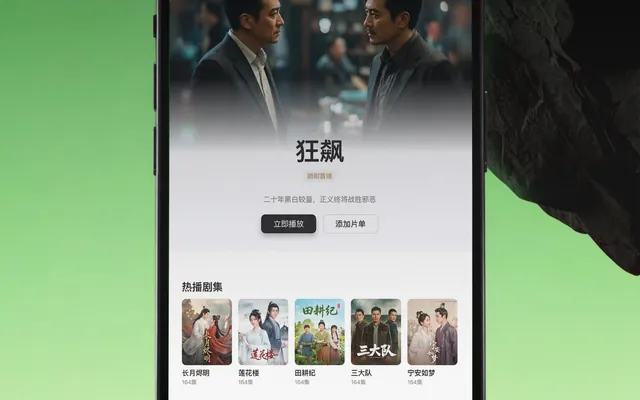
iQiyi
Technology & Telecommunications · Culture & Media
Read More
Design-Driven IMC
Services
Read More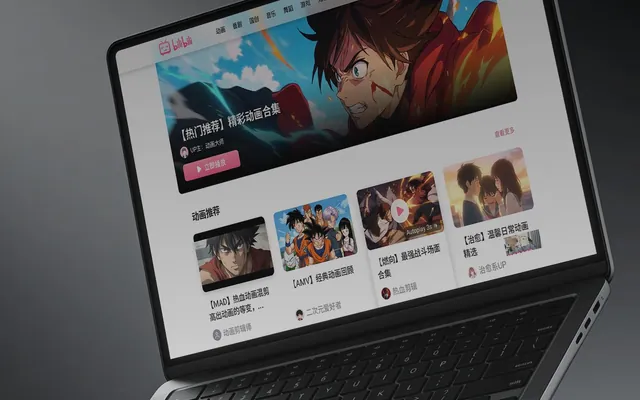
Bilibili
Culture & Media
Read More
Pinduoduo
Retail & E-commerce
Read More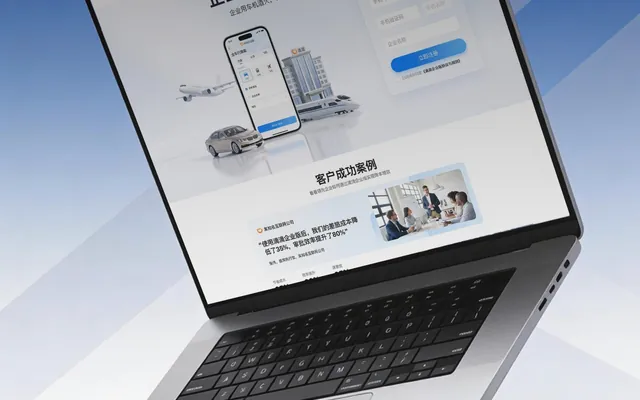
Didi Enterprise Edition
Automotive & Mobility
Read More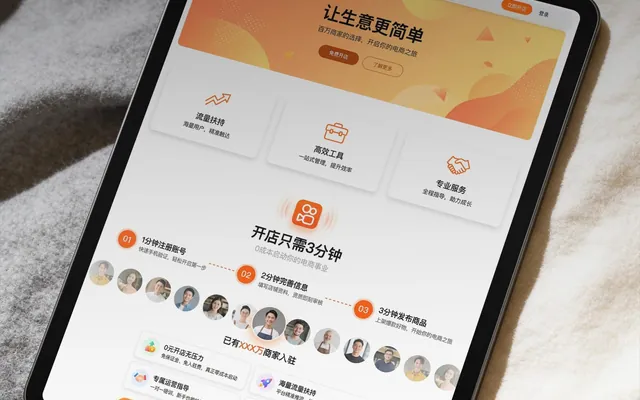
Kuaishou store
Retail & E-commerce
Read MoreCONTINUE READING Further Reading
Find your next step, starting with the question at hand.
When you get in touch about a project, it helps to share your business context, existing materials, primary use scenarios and the problems you want to solve. We'll use this to discuss scope and how we might work together.
Communicate project requirements ↗