










The Information Technology Department of National Defense University (ICYU) is the core department responsible for digital infrastructure construction, intelligent security protection, and scientific research information system integration.
Against the backdrop of national intelligent strategy and comprehensive digital military-industrial system upgrades, the logo design aims to create a visual identity system combining authority, technological rationality, and systematization, embodying the innovative spirit and information security strength of new-era defense technology.

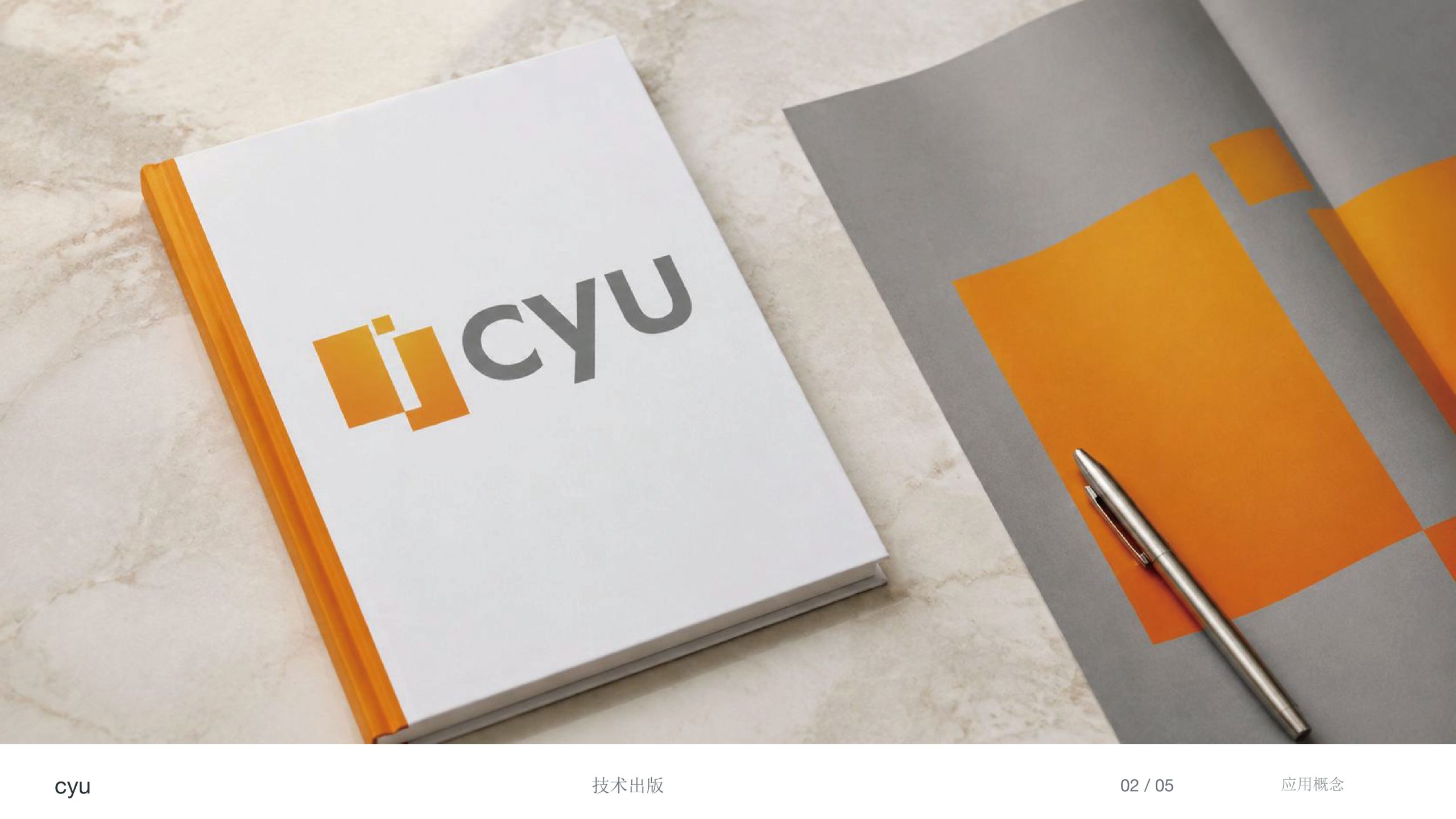
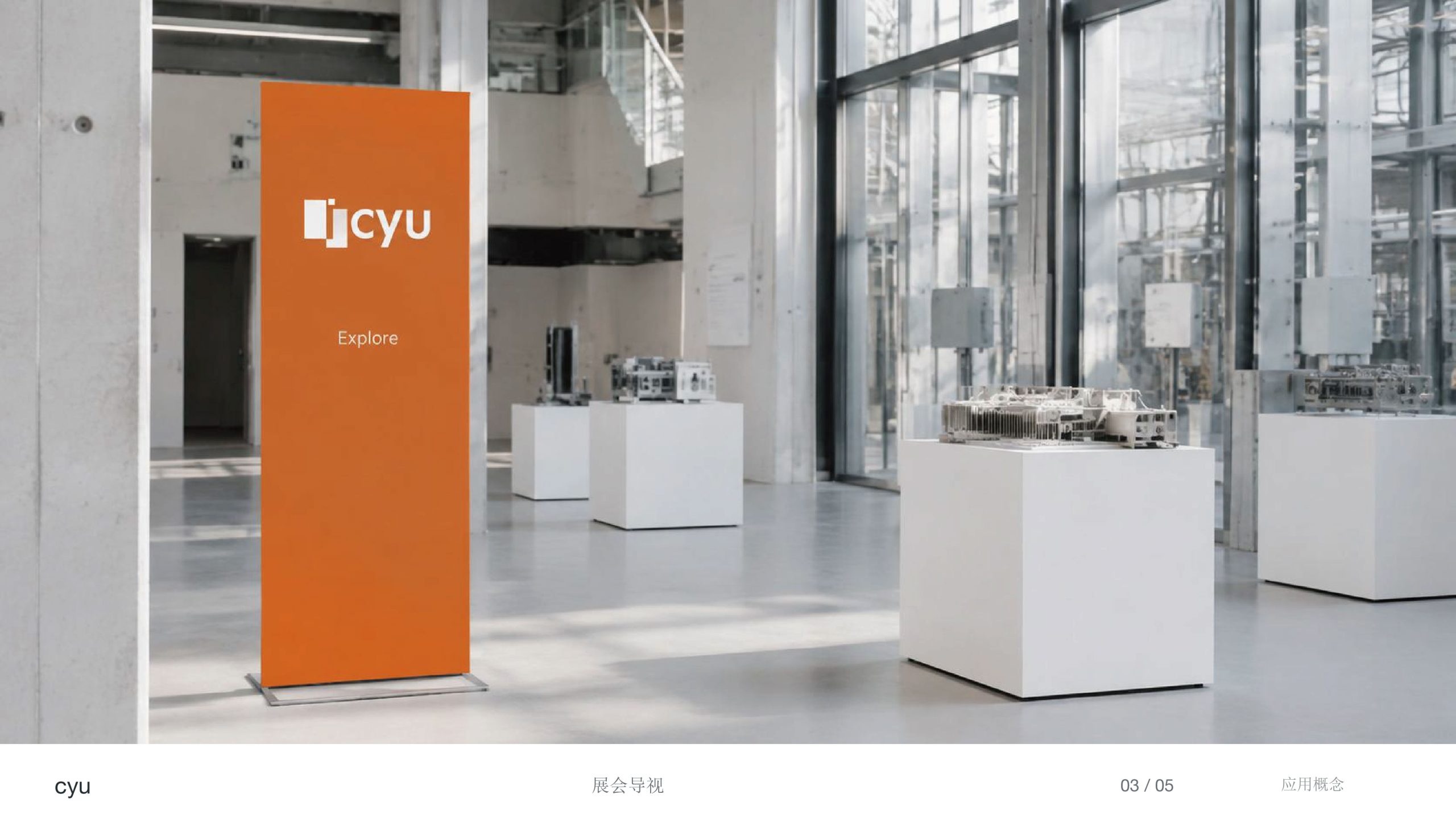
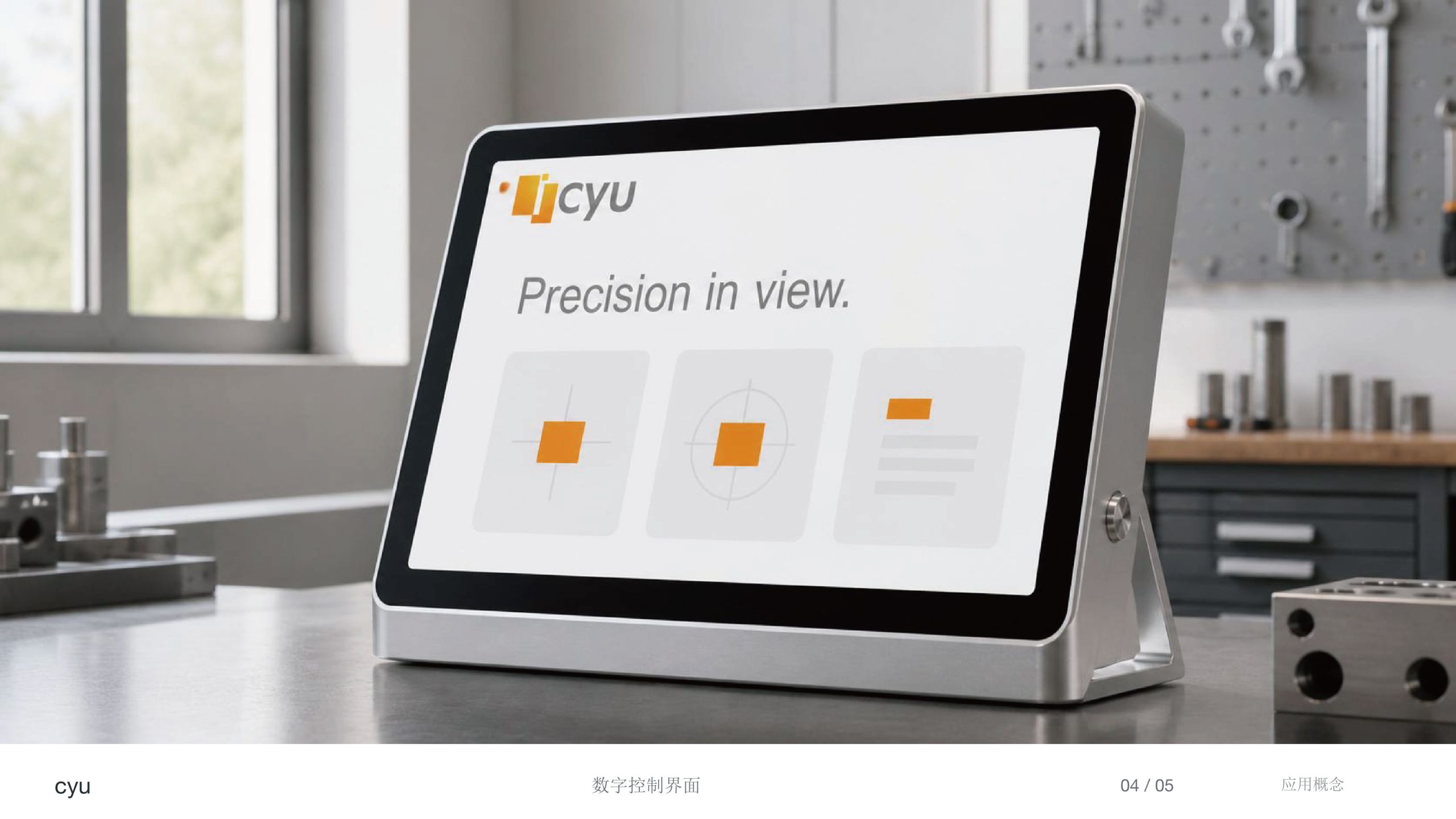
design concept
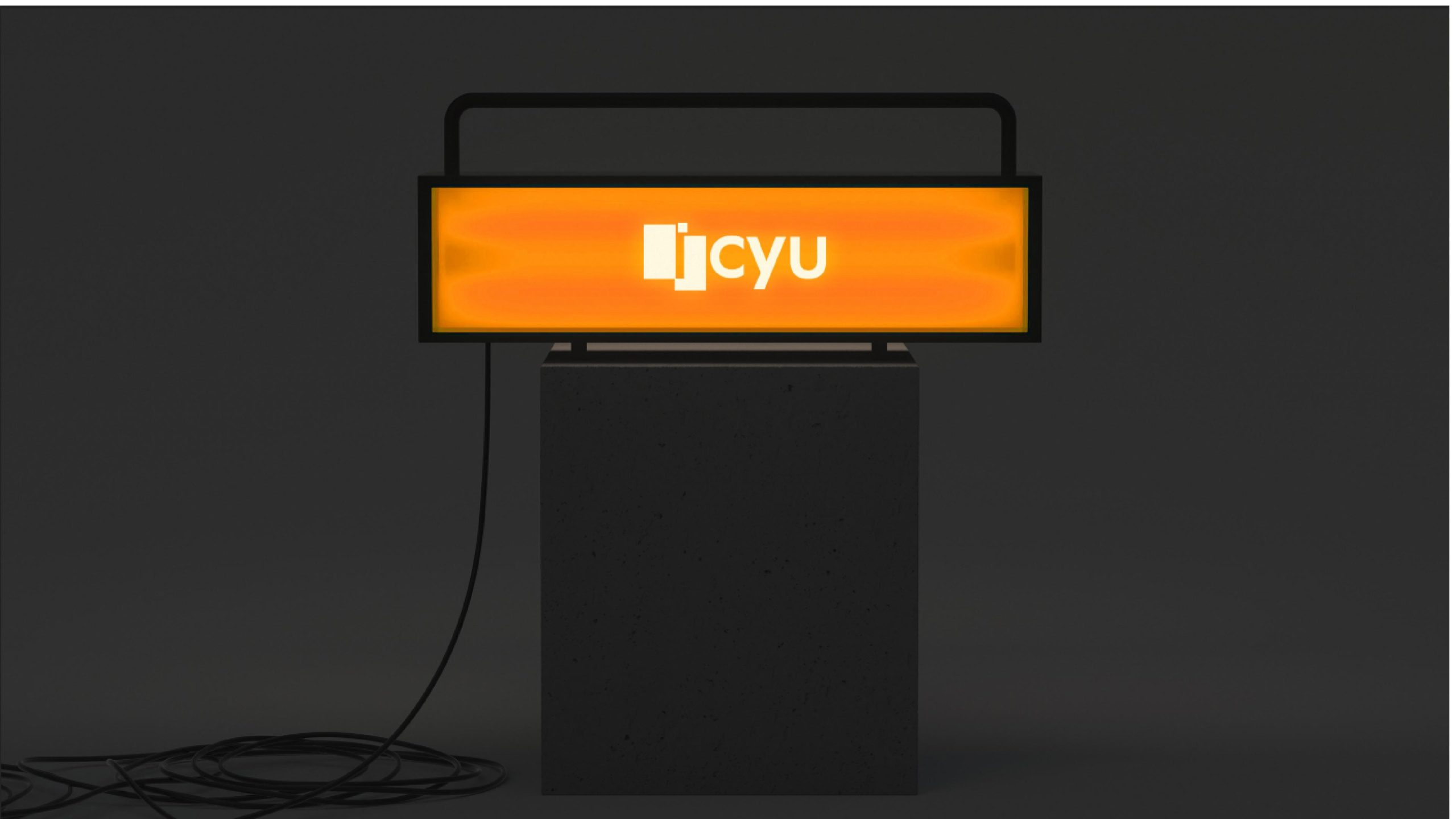
The logo draws design inspiration from 'information matrix' and 'digital defense wall,' employing three stacked rectangles to form a stable visual structure symbolizing layered data protection, orderly extension of technical architecture, and interconnection among systems. The golden gradient of the left square represents wisdom, signals, and technological energy, contrasting with the gray typeface on the right to convey a brand spirit of 'technological rationality × military-industrial order.'
graphic language
Rectangular modular structure: Symbolizes information system architecture, network nodes, and national defense data centers; Golden gradient matrix: Signifies wisdom, energy, and efficient computing; Vertical compositional logic: Represents signal transmission, information flow, and defense in depth; Inter-module spacing: Reflects openness and elastic space for multi-system collaboration. The overall graphic embodies technical rationality through rigorous order, while adding futurism and information flow through light and shadow gradients.
Fonts and composition
The English ICYU employs a modern geometric sans-serif typeface with stable, full letterforms reflecting the rational strength of defense system technology departments. The gray typography forms a strong visual balance with the gold graphic, conveying the 'calm yet powerful' character of military-industrial technology. Structural proportion is graphic : typeface = 1 : 1.4, with horizontal layout enhancing systematic extension.
color system
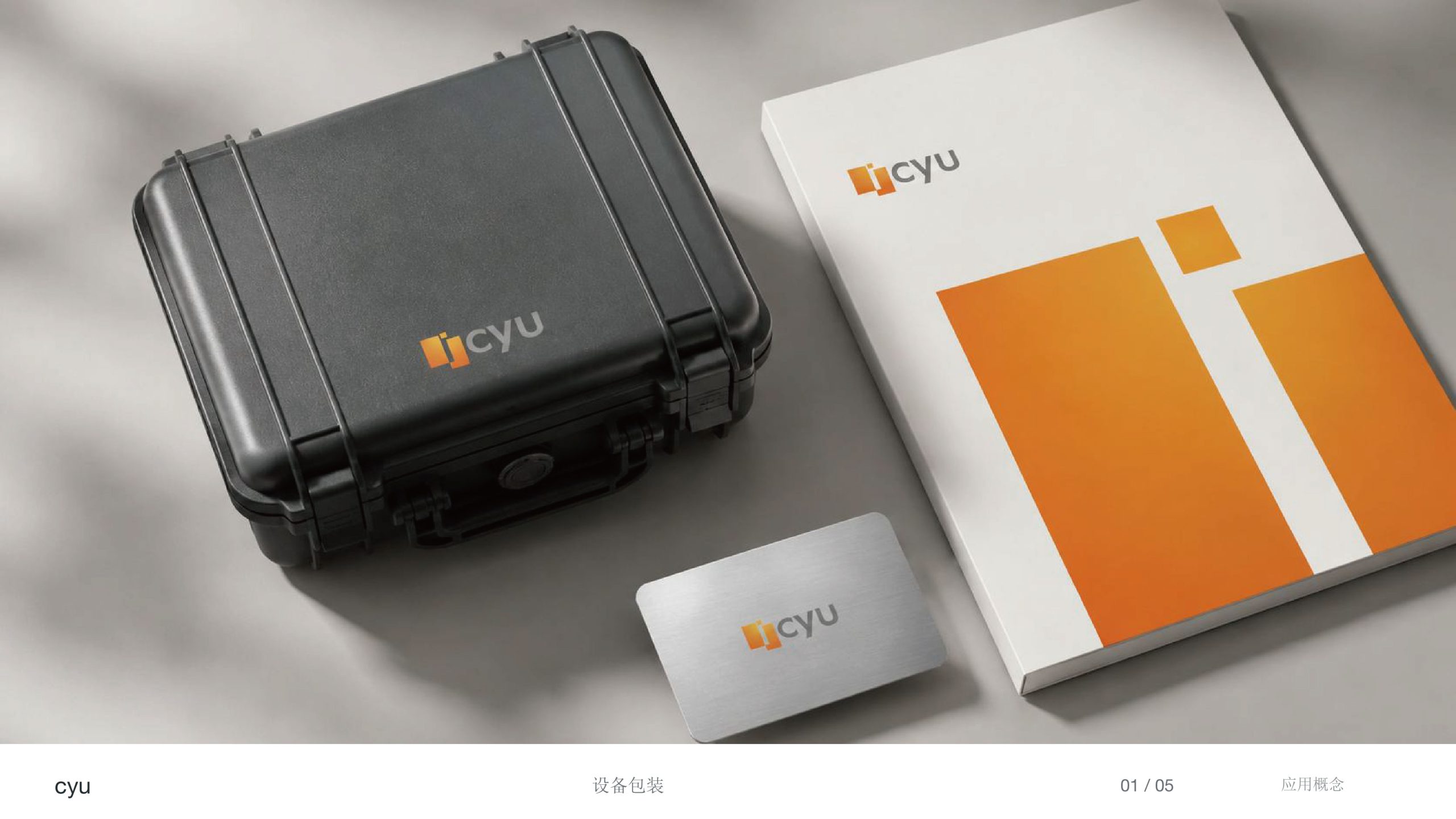
Primary golden-orange gradient #D6922D → #F7C744: Symbolizes wisdom, signals, and security energy; Supporting deep gray #5E5E5E: Represents rigor, order, and the professionalism of defense technology; Neutral white #FFFFFF: Used to enhance visual breathing and technological feel; Metallic silver-gray #C9C9C9: Reinforces defense equipment texture in applications. The overall palette forms a visual semantic system of 'technological defense × information flow.'
Application and extension
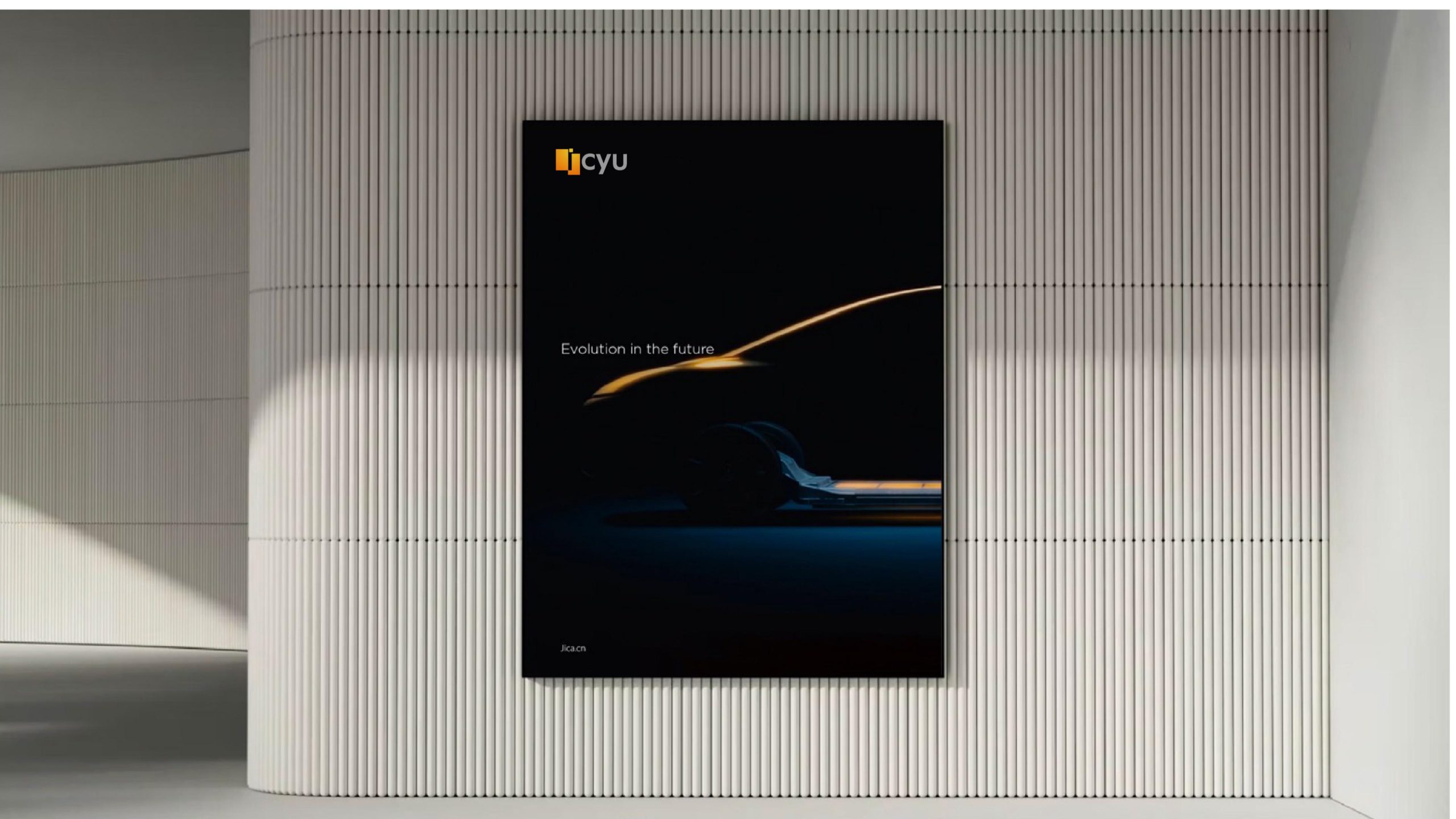
The logo can be widely applied to: Defense information system interfaces, research platform login pages, and intranet portals; Digital command centers, information security projects, and military-industrial technology conference key visuals; Office systems (file covers, badges, work IDs, letterheads, etc.); Digital presentations and interactive interfaces: Matrix blocks can dynamically combine into data ripples, forming a systematic visual language.
brand meaning
The logo embodies three symbolic meanings: Order — the square structure represents the rigor and stability of the military-industrial system; Intelligence — the gradient light energy symbolizes independent innovation in information technology; Security — the stacked matrix represents defense in depth and system protection. Overall, it embodies the departmental spirit of 'safeguarding national security through technology, leading digital defense through innovation.'
Improper Usage (Protection Specification)
Do not modify square proportions and color gradients; Do not change primary colors or reverse gradient direction; Do not add shadows, strokes, or light effects; Do not rotate or tilt in use; Maintain clearance ≥ 25% of graphic width; Minimum display width must not be below 24mm.
design results
After launch, this logo successfully unified the digital visual language of National Defense University's information technology system, widely applied across research projects, official document systems, information security platforms, and military-industrial exhibitions. Its matrix geometric structure is regarded as 'the visualized symbol of information defense systems,' receiving unanimous industry acclaim and being listed by Qingmei Future as an exemplary case in the 'Military-Industrial and Information Security Visual Systems' collection.