
AI is redefining the capability boundaries and professional value of marketing talent. Traditional marketers built their careers on creative ideation, copywriting, campaign execution, and client communication. Marketers in the AI era must add data analysis, tool proficiency, algorithmic understanding, and the ability to work alongside technology. LinkedIn data shows that marketers with AI skills command a 40–60% salary premium and that hiring demand is growing by more than 80% a year. Yet supply falls far short, with a talent gap of more than one million people. Enterprises face a twofold challenge. Externally, the right talent is hard to recruit because supply is short and salaries are high. Internally, existing teams lack the necessary capabilities, since traditional marketers don't understand technology and technologists don't understand the business. FMCG giants such as P&G and Unilever have set up AI marketing academies, ByteDance has built a marketing scientist framework, and Alibaba has launched digital talent certification. The experience of these leaders shows that enterprises cannot rely on external hiring to meet their need for AI marketing talent. They must build systematic internal development programs and team-building mechanisms. This is the critical variable that determines whether an enterprise's AI transformation succeeds or fails.
- The evolution of AI marketing talent development and team building reflects a deeper understanding of human capital and a fundamental shift in how organizations build capability
- Successfully developing AI marketing talent starts with rethinking which capabilities are needed
- AI marketing capabilities are only truly internalized through real-world practice, which means creating diverse hands-on scenarios and growth opportunities for talent
- Developing AI marketing talent requires supporting evaluation and incentive mechanisms that shift from performance metrics alone to a holistic assessment of capability growth and long-term value
01Rethinking Talent Strategy
The evolution of AI marketing talent development and team building reflects a deeper understanding of human capital and a fundamental shift in how companies build organizational capability. The traditional talent model of "recruit, train on the job, gain experience" is giving way to a systematic development model of "capability planning, structured training, hands-on practice, continuous growth." In this shift, talent development is no longer just HR's recruiting and training work. It is a systemic capability-building effort and a core task of organizational change that must be planned from the top of corporate strategy.
At its core, a modern AI marketing talent strategy redefines what talent is worth and what capability is made of. Traditional marketers create value through deep expertise in a single discipline: copywriters focus on writing, designers on visuals, data analysts on reports, with clear role boundaries and a defined division of labor. Marketers in the AI era need hybrid, cross-disciplinary capabilities: fluent in both marketing and data, both creative and tool-savvy, with both specialist depth and cross-functional breadth. This shift requires companies to move from simply deploying specialists to systematically developing hybrid talent and building T-shaped capability across the organization.

02Rebuilding the Capability Model: From Single Specialism to Hybrid Expertise
Successfully developing AI marketing talent starts with rethinking what capabilities are needed.Traditional marketers follow a "specialist mindset": they go deep in one niche to become experts, and their careers progress vertically. AI marketers need a "hybrid mindset": while maintaining a core strength, they can collaborate across disciplines, and their careers grow in a T shape.
Expanding from marketing skills into technical capability.Traditional marketers' skill sets center on the marketing discipline itself: market research, brand planning, content creation, campaign execution and customer management. The AI era requires marketers to have foundational technical skills as well: data analysis (SQL queries, Excel modeling, data visualization), tool proficiency (marketing automation platforms, CRM systems, BI tools), algorithmic literacy (how recommendation algorithms and predictive models work) and technical collaboration (communicating effectively with data and engineering teams). One 4A agency requires every marketer to master the basics of SQL and Python so they can query and analyze data independently. The goal is not to turn marketers into programmers, but to build technical fluency and smoother collaboration.
Upgrading from experience-based judgment to data-driven thinking.Traditional marketers rely on experience and intuition: "I think this idea works," "Based on past experience, this strategy should be effective." The AI era requires a data-driven mindset: validating hypotheses with data, measuring results with metrics, optimizing strategy through experimentation and supporting decisions with algorithms. This does not dismiss the value of experience; it asks marketers to combine experience with data and balance intuition with evidence. At one internet company, marketers submit a weekly data analysis report to support their decisions, and data literacy has become a prerequisite for promotion.
Moving up the value chain from execution to strategy.Traditional marketing roles involve a great deal of execution: sending emails, updating spreadsheets, producing reports, coordinating resources. AI automation hands this repetitive work to systems, freeing marketers to move into higher-value work: strategic planning, creative ideation, customer insight, experience design and process optimization. This shift requires marketers to move from "doing" to "thinking," from executors to strategists. After one brand adopted marketing automation, its marketers went from spending 60% of their time on execution and 40% on strategy to 20% and 80% respectively, tripling marketing output per person.
From fixed skills to a growth mindset of continuous learning.Technology is moving so fast that today's skills may be obsolete tomorrow. Three years ago there was no ChatGPT; two years ago Midjourney didn't exist; last year Sora had yet to launch. AI marketing talent needs a growth mindset grounded in lifelong learning: tracking new technologies, picking up new tools quickly, continually refreshing their knowledge, and staying open and curious. One technology company requires its marketing team to learn one new skill every quarter and share one new trend every month, treating the capacity to learn as a core competitive strength.
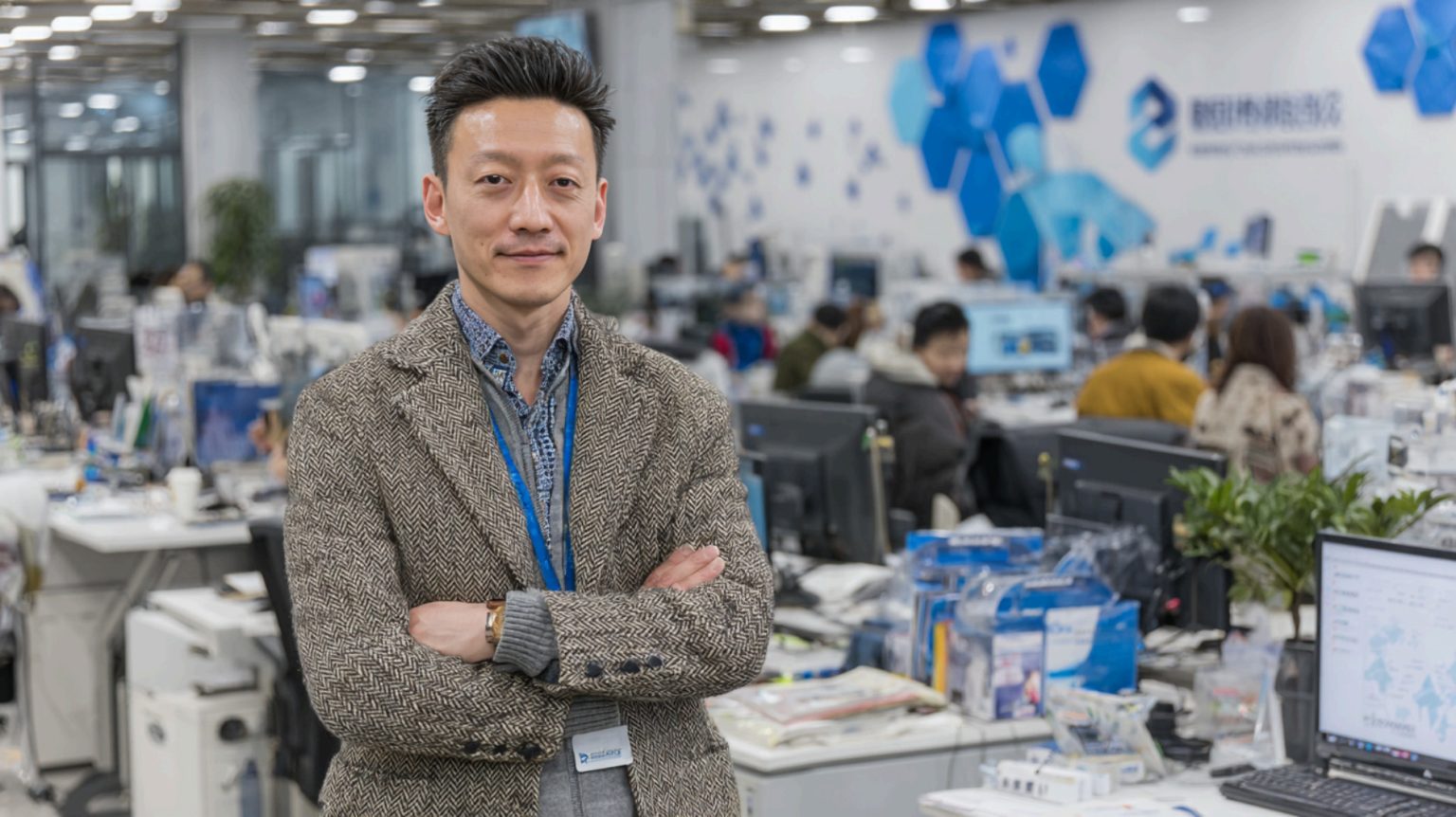
03Building a Systematic Development Framework: From Ad Hoc Training to Structured Programs
Developing AI marketing talent isn't about running the occasional training session. It requires a complete, long-term system that spans talent identification to capability building, and hands-on practice to career development.
Tiered development paths matched to the capability needs of each level.Marketers within an organization vary widely in their foundational skills and career stage, so development paths must be differentiated. Frontline practitioners focus on tool proficiency and data analysis fundamentals; middle managers on strategic planning and team leadership; senior decision-makers on strategic thinking and ecosystem insight. One consumer goods group built a four-tier marketing talent certification framework (Junior, Intermediate, Senior and Expert), each tier with clear capability requirements and a defined development plan. Employees choose the path that fits them, and in three years the group has certified more than 200 marketing experts.
Theory and practice as twin engines.Classroom training alone rarely translates into real capability. Theory has to be paired with practice: online courses for fundamentals, in-person workshops for hands-on work, application on live projects, and structured reviews to capture lessons learned. One internet company's AI marketing bootcamp follows a “3-day intensive + 3-month live project + 1-day showcase” model. Participants apply what they learn on real projects, 85% complete the program, and their job performance improves by an average of 45%.
Integrating internal development with external expertise.Most organizations lack the in-house expertise to teach AI marketing and need to draw on external resources: inviting industry experts to teach, co-developing courses with universities, attending industry summits to broaden perspectives, and joining professional communities for ongoing learning. One brand partnered with a marketing technology firm to develop a custom training curriculum, and with a university business school to co-deliver a digital marketing MBA, creating a development system that blends internal and external resources.
Mechanisms that link learning incentives to career development.Talent development demands significant time and effort, so it needs incentives: counting learning time as working hours, linking skill certification to pay and promotion, rewarding top performers with bonuses and project opportunities, and establishing a specialist career track. One company sets aside Friday afternoons as “learning time” for self-directed study; employees who pass certification exams receive bonuses and priority for promotion, fostering a strong learning culture.
The future of AI marketing will be won on talent: on the speed of learning, and on an organization's capacity to evolve.
From the conclusion of this article
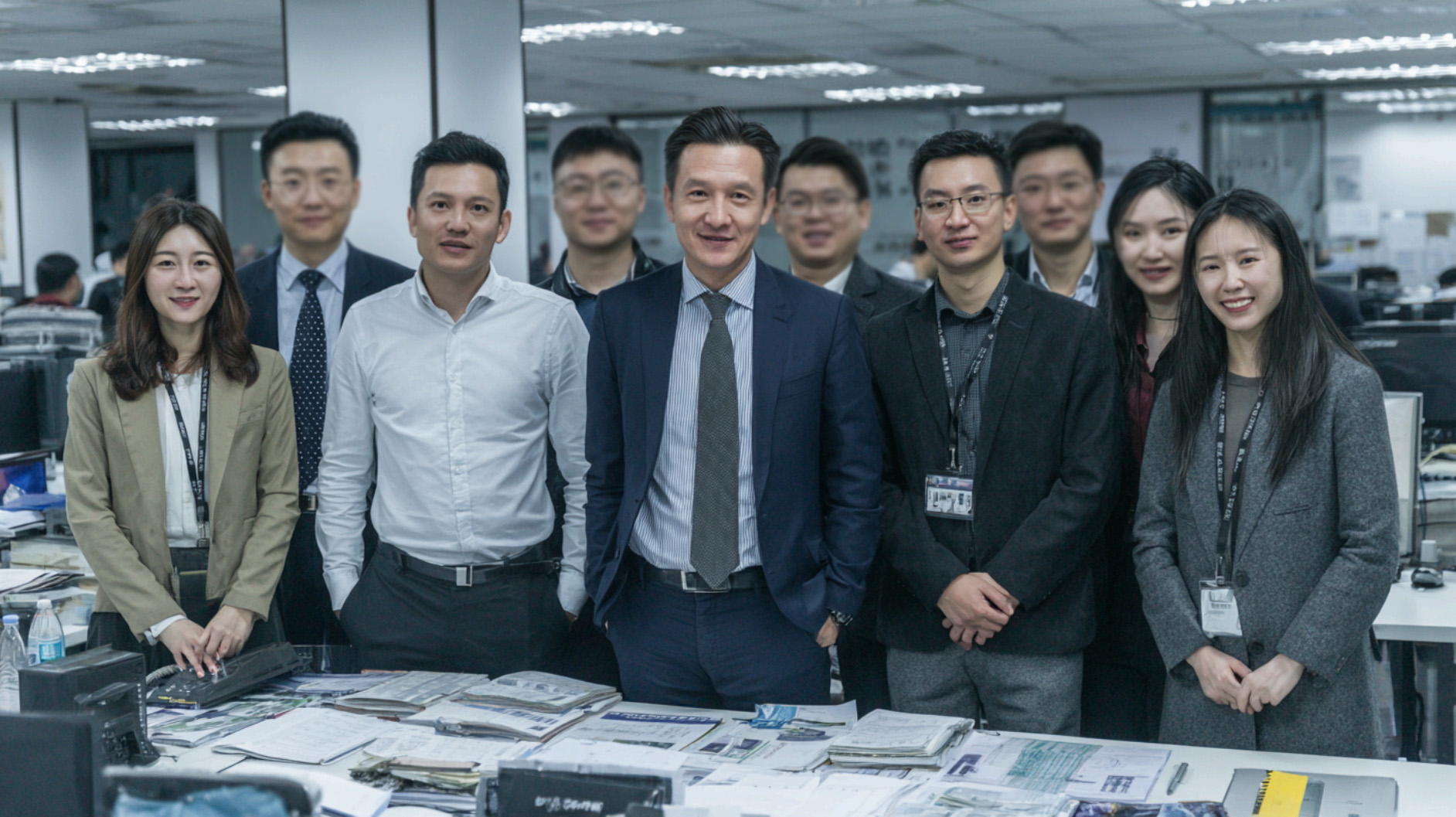
04Restructuring Teams: From Functional Silos to Capability Collaboration
AI marketing doesn't just change what individuals need to know. It calls for rethinking team structures and ways of working, moving from functional silos to capability-based collaboration and agile organization.
Creating marketing technology (MarTech) roles is a pivotal structural shift.Traditional marketing teams lack technically skilled roles and need to add MarTech positions: marketing technologists (experts in marketing tools and data platforms), marketing data analysts (responsible for analysis and insight generation), and marketing automation engineers (building automated workflows and system integrations). These roles are the technical brain of the marketing team and the bridge between marketing and technology. One FMCG company set up a 10-person MarTech team within its marketing department to power company-wide marketing digitalization, increasing marketing efficiency by 200%.
Cross-functional agile squads break down departmental walls and rigid processes.Traditional marketing projects are split by function: planning writes the proposal, creative handles design, media runs the placements. The result is long, inefficient processes. The agile squad model brings people from different functions into a single project team spanning strategy, creative, data and technology, collaborating from kickoff to delivery, iterating quickly and responding with agility. One technology company moved its entire marketing team to agile squads, cutting average project delivery from six weeks to two and tripling marketing responsiveness.
Hybrid talent fluent in both business and technology becomes the backbone of the team.The ideal AI marketer understands both business and technology, and can own the full chain from strategy to execution to analysis. Companies can develop these hybrid profiles through job rotation, project experience and mentorship: rotating marketers through data teams, involving technologists in marketing projects so they understand the business, and pairing young talent with cross-disciplinary mentors. One company runs a “marketing + technology” dual-mentor program, pairing every new marketer with a marketing mentor and a technology mentor; in three years it has developed more than 50 people who combine business and technical expertise.
A learning-organization culture makes knowledge sharing a habit.AI is advancing faster than any individual can keep up with, so organizational learning must amplify the effect: weekly tech talks, monthly case reviews, quarterly external exchanges, and a knowledge base that captures experience. One brand built an internal marketing knowledge community that encourages employees to share learnings and project experience. With more than 1,000 articles, it has become a key resource for onboarding and day-to-day work.

05Diverse Hands-On Practice: From Theory to Internalized Capability
Capabilities only truly take hold through hands-on experience. Companies need to create diverse real-world settings and growth opportunities for their AI marketing talent.
Owning real projects builds capability fast through challenge.Real capability can't be built on theory alone. Talent needs to take ownership of live projects: planning and executing complete marketing campaigns, independently analyzing data and recommending optimizations, and trialing new tools and methods and evaluating the results. One company runs a “project owner” program that gives young employees the chance to lead projects independently under a mentor's guidance, accelerating their growth.
Room to experiment, with tolerance for failure built in.Applying AI demands bold experimentation, which requires room to innovate: an innovation fund for new ideas, sandboxes where failure is allowed, no blame for experiments that fail, and strong promotion of those that succeed. One brand sets aside 10% of its annual marketing budget as an innovation fund to encourage teams to try emerging AI technologies; in three years it has incubated five successful innovation projects.
Cross-functional collaboration widens perspective and breaks mental limits.Marketers who stay within marketing for too long can fall into fixed ways of thinking. Cross-functional collaboration broadens their view: working with product teams to understand product logic, with technology teams to learn how things are built, and with data teams to co-create analytical models. One company runs a “shadow program” that lets marketers spend a month shadowing a technology or data team to gain a deep understanding of technical capabilities and implementation.
External exchange and benchmarking keep perspectives broad.Working in isolation risks falling behind the industry. Organizations need to build in external exchange: attending industry summits to track emerging trends, visiting leading companies to learn best practices, joining professional communities, and inviting outside experts to speak internally. One company organizes two benchmark visits a year, sponsors employees to attend industry conferences, and has set up an external expert advisory panel to keep its team in step with the industry.
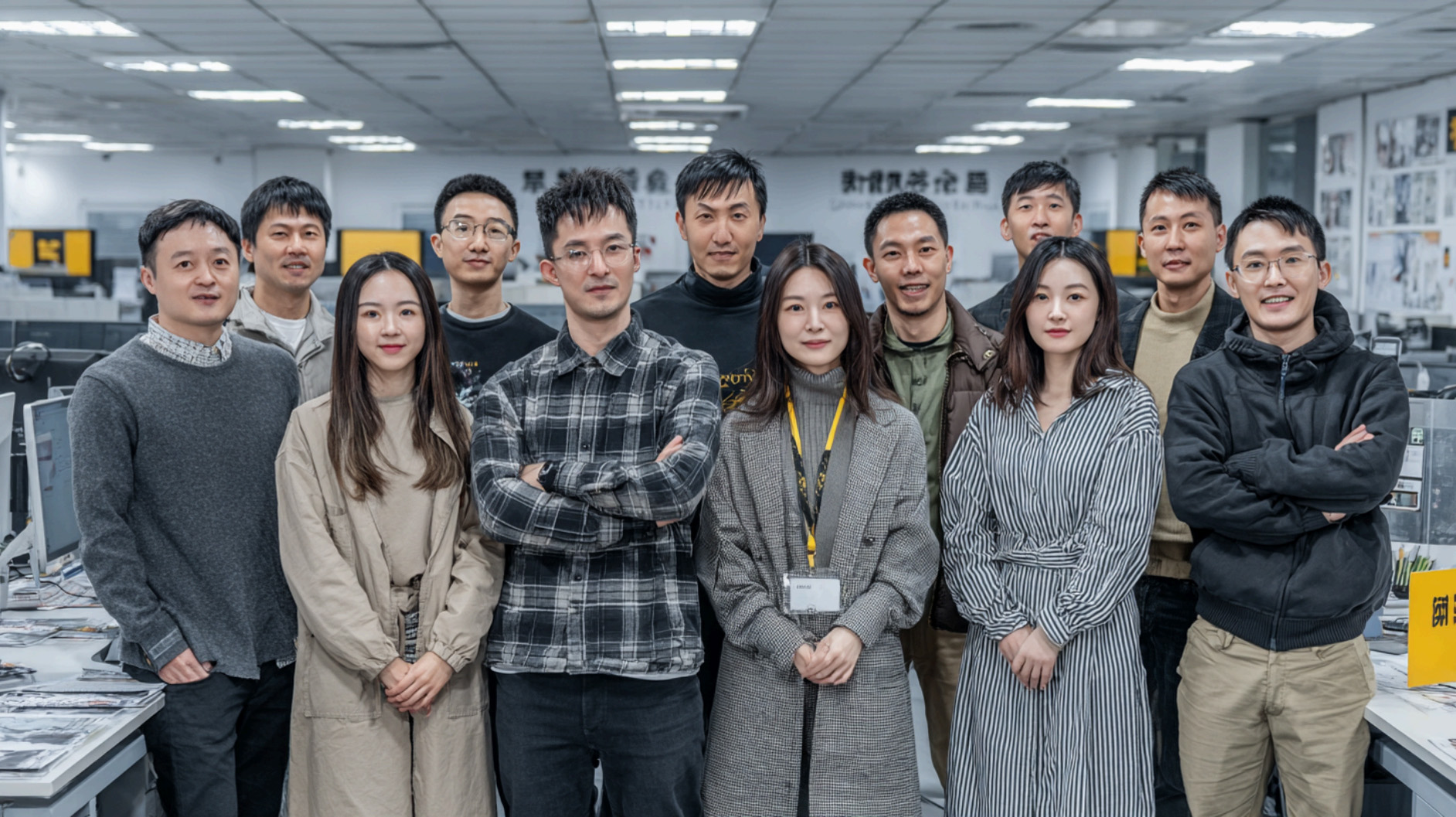
06Rethinking Evaluation and Incentives: From Results-Driven to Growth-Driven
Developing AI marketing talent requires aligned evaluation and incentives, shifting from performance-only reviews to a holistic assessment of capability growth and long-term value.
Weighting capability growth alongside performance in evaluations.Traditional reviews focus solely on marketing results (sales, ROI, conversion rate) and overlook capability growth. A new evaluation framework factors in development: certifications achieved, adoption of new technologies, knowledge-sharing contributions and teamwork, with capability metrics weighted at 30–40% of the overall review. This encourages employees to invest in learning rather than chase short-term results alone.
Linking skill certification to pay and promotion creates real incentives.Companies can establish an internal AI marketing skills certification program that rewards certified employees with pay adjustments and promotion opportunities: a 10% raise for Junior certification, 20% for Intermediate, and promotion eligibility for Senior. After introducing its program, one company saw a marked rise in employees' motivation to learn, with 70% of staff earning at least one certification within two years.
Rewarding and recognizing learning contributions encourages knowledge sharing.Encourage employees to share learnings and project experience: paying fees for technical articles, awarding points for internal talks, offering cash rewards for standout case studies, and factoring knowledge contributions into promotion decisions. One brand created a quarterly “Best Learning Contribution Award,” fostering a strong culture of learning and sharing.
Conclusion
Talent development and team building are decisive factors in the success of any enterprise's AI transformation. Technology can be bought and systems can be built, but talent takes years to cultivate and team culture must be continually nurtured. Companies with foresight in their talent strategy, systematic investment in development, and the resolve to drive organizational change are building a talent advantage in AI marketing that competitors will find hard to match.
For enterprises, developing AI marketing talent is a strategic investment, not a cost.In the short term, training spend, time commitment and the cost of trial and error can look like burdens. In the long term, the talent they produce is a company's most valuable asset and core competitive advantage. External hiring only addresses immediate needs; internal development builds lasting capability. Companies willing to invest in talent, give young people opportunities and drive organizational change are reaping the rewards in talent and organizational vitality.
For individuals, the AI era is a challenge, and even more an opportunity.Traditional marketing skills are losing value, while hybrid capabilities command a premium. Marketers who embrace change, actively learn new skills and experiment with new technologies are accelerating their careers, with significantly better pay and more career options. Those who cling to traditional skills, resist technological change and refuse to keep learning face declining competitiveness and even obsolescence. In the AI era, the divide among marketing professionals will only widen.
For the industry, AI marketing talent development is shifting from companies working in isolation to industry-wide collaboration. Universities are launching AI marketing courses, training providers are introducing certifications, industry associations are organizing exchanges, and leading companies are opening up their training resources, together forming an industry-level talent ecosystem. This collaboration not only accelerates talent supply but also drives the establishment of industry standards and the spread of best practices.
This is the strategic code for AI marketing talent development and team building: let capability models set the direction, let systematic frameworks support growth, let organizational change unlock team potential, and let innovative mechanisms fuel the drive to learn. Talent is the foundation of everything. Only with marketers who can harness AI will a company's AI transformation truly take hold; only by building teams with hybrid capabilities will its competitive advantage keep growing. The future of AI marketing will be won on talent: on the speed of learning, and on an organization's capacity to evolve.