


















Qingmei Future Insights
Assisted graphic design: making the brand more identifiable
Auxiliary graphics are an important extended element in the brand visual system. They can enrich the visual expression of the brand, enhance brand recognition, and provide more creative possibilities for brand communication. Excellent auxiliary graphics can not only strengthen brand memory, but also independently assume the function of brand recognition in scenes where the logo cannot be fully displayed. How to design a unique and flexible auxiliary graphics system has become an important issue in brand visual construction.
This article will deeply explore the design concepts and methods of auxiliary graphics, from the exploration of creative sources to the refinement of graphic language, from the formulation of application specifications to the control of extension changes, to provide designers with professional guidance in creating unique auxiliary graphics systems.
Strategic reconstruction of auxiliary graphics
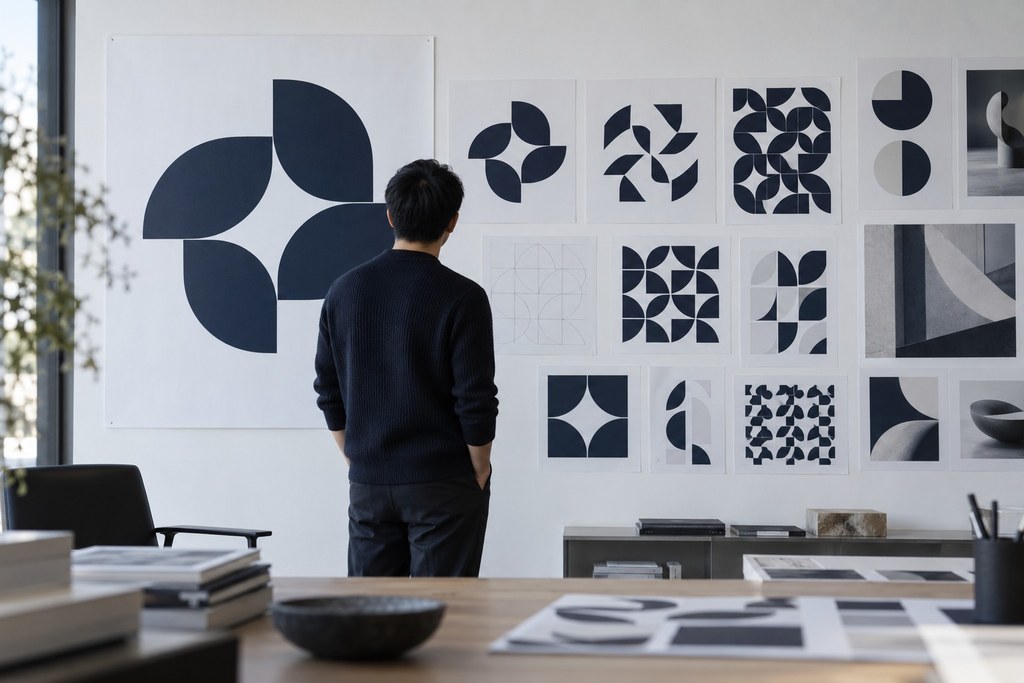
The evolution of supporting graphic systems reflects a deeper understanding of visual identity and a fundamental shift in communication strategy. The traditional decorative approach of "random embellishment, aesthetic filler, last-minute addition" is giving way to a systematic model of "extracting brand DNA, extending the system, managing assets." In this shift, supporting graphics are no longer just decoration to fill empty space. They are a systematic identity tool that must be planned from the moment brand DNA is defined.
The core of modern supporting graphics is a new logic for brand visuals. Traditional brands enrich their visuals with scattered decorative patterns. Brands with systematic supporting graphics use a graphic language distilled from the brand core, applied consistently across contexts, to create strong recognition and lasting memory. This shift requires brands to move from beautifying visuals to distilling graphic DNA and systematically building visual assets.
Fundamental changes in design thinking: from decoration to genetic refinement
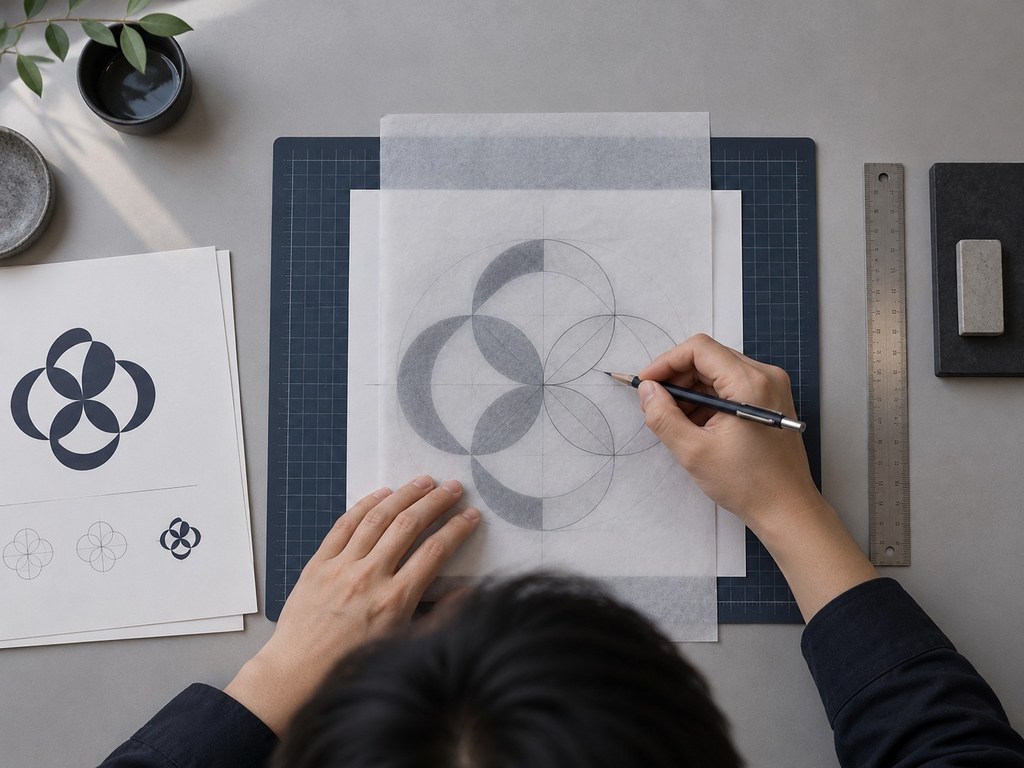
Distinctive supporting graphics start with rethinking the logic of design. Traditional supporting graphics follow an additive, decorative mindset: patterns created separately from the logo and color palette. Systematic supporting graphics follow an extractive, genetic mindset: visual DNA is distilled from the logo, product form, and core values, then developed into a complete graphic system through geometric deconstruction, recombination, and rule-based extension.
Nike's supporting graphics system extends from a deconstruction of the Swoosh. Its dynamic curve, angle and sense of speed are distilled into a graphic DNA that yields stripes, arrows, diagonal cuts and other elements, each carrying the same character as the logo in any context. Hermès draws on its carriage logo, taking the woven texture of reins and the geometry of harnesses to create a classic pattern language that runs through its products and communications.
This "DNA extraction" design philosophy ensures an organic link between supporting graphics and the brand core. Even without a visible logo, consumers can sense the brand's identity through a consistent graphic language. This subconscious recognition runs deeper and lasts longer than an explicit logo, and plays a key role in brand communication where space is limited or a logo isn't appropriate.
Defined geometric rules are what make supporting graphics extensible. Strong supporting graphics are not a handful of isolated patterns, but a family of forms that can be generated endlessly from mathematical rules. By defining base geometric units, combination rules, repetition logic, and variable parameters, designers build a system for generating graphics. Apple's grid system, Uniqlo's check textures, and MUJI's linear language all show how simple rules can create a rich yet unified visual world.
Systematic Planning: From Accents to Every Touchpoint

The strategic value of supporting graphics lies in their ability to reach every brand touchpoint. A logo can appear only in specific places, and color must be used in measured proportions, but supporting graphics can fill any space and adapt to any context. They become the "air" of a brand's visual identity: everywhere, yet never overpowering.
Filling space is the most basic role of supporting graphics. Package sides, website backgrounds, storefront walls, product linings: areas that would otherwise be blank or need extra design gain brand recognition through systematic use of supporting graphics. Coca-Cola's curved ribbon fills every corner of bottles, posters, and ads, turning each inch of visual space into accumulated brand equity.
Visually distinguishing levels of information is an advanced function of supporting graphics. Different types of information and different levels of content need visual separation, and supporting graphics create hierarchy through pattern density, color depth, and variations in form. Financial institutions use fine line patterns for secondary information and clean geometric blocks to highlight core content, forming a clear system of visual navigation.
Setting emotional tone is the higher value of supporting graphics. Through rhythm, density, and motion, a brand can set different moods without changing its logo or colors. Holiday campaigns use dense, joyful compositions; product launches use sparse, restrained accents. One supporting graphics system adapts to different communication needs through how it is applied.
Productization is the most direct path for supporting graphics to create commercial value. Strong supporting graphics can stand apart from the logo as design elements in their own right. Louis Vuitton's Monogram, Burberry's check, and Adidas's three stripes are selling points and sources of premium pricing. Consumers buy not just a logo, but the identity conveyed by the brand's entire visual language.
Sustaining Consistency Through Rules: From Free Creation to Managed Standards
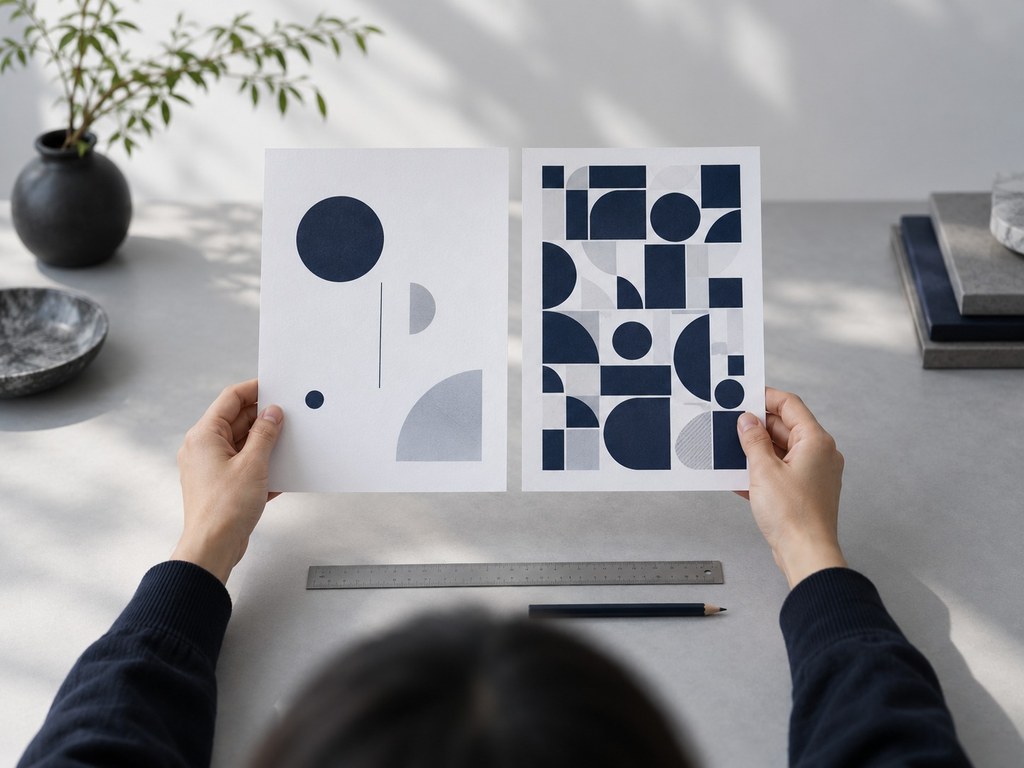
For supporting graphics to build recognition, strict usage rules must ensure consistency. Without rules, supporting graphics drift and distort as different designers apply them across different contexts, turning an identity asset into visual noise.
Graphic generation rules define how variation is created from core elements. Which elements can be combined, in what proportions, which color variations are allowed, and which distortions are prohibited: these rules must be clearly set out in the brand guidelines. Their precision determines how consistent the graphics are in use. Rules that are too loose lead to chaos; rules that are too strict limit creative flexibility. The balance has to be calibrated continually in practice.
Density guidelines govern how much space graphics occupy. Filling every empty space is not good design; overuse causes visual fatigue and makes a brand feel cheap. Brands need to define upper and lower limits for graphic density: the minimum needed to build brand association, and the maximum before graphics overpower the message. Luxury brands typically keep supporting graphic density below 20%, while consumer goods brands can exceed 60%. Industry and brand positioning determine the density strategy.
Prohibitive rules keep misuse from harming the brand. Which distortions are not allowed, which color combinations are off-limits, which backgrounds cannot carry supporting graphics: these negative rules matter as much as the positive ones. The "Don't" examples in brand guidelines give designers clear boundaries and prevent well-intended mistakes.
Graphic innovation in the digital age: from static patterns to dynamic experiences
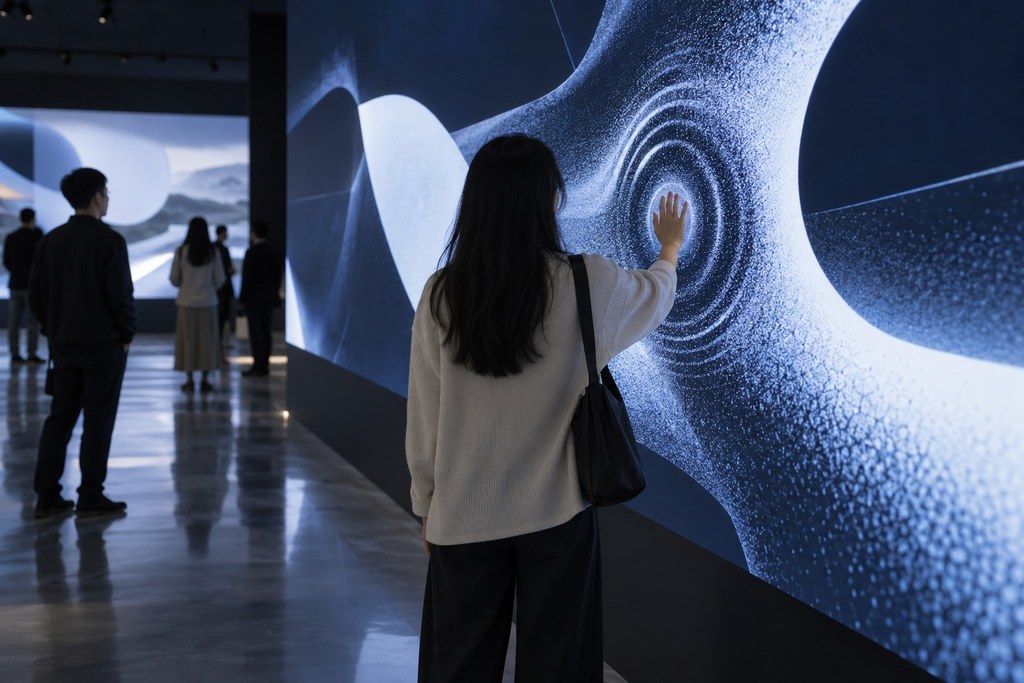
Digital technology takes supporting graphics from flat patterns to dynamic experiences. In print, supporting graphics were static decoration. On screen, they can move, interact, and respond to user behavior, evolving from a visual element into a medium of experience.
Motion graphics extend a brand's expressive range through animation. Graphics that build as a page loads, respond on hover, and shift in parallax as you scroll: these small dynamic details reinforce brand memory. Designing motion for supporting graphics means defining movement principles, easing curves, and triggers so that motion matches the brand's character. A technology brand's graphics should move with precision and fluidity; a fashion brand's can move with elegance and ease.
Generative design lets supporting graphics extend without limit. Using algorithms and parameters, the system can generate thousands of variations from a brand's graphic DNA, so every user and every visit sees a unique composition. This "never repeat" strategy keeps the brand consistent while creating freshness and a sense of personal ownership.
Interactive graphics turn viewers into participants. Taps, swipes, and voice can change the shape, color, and arrangement of supporting graphics, inviting users to co-create the visual experience. This participatory design deepens the emotional bond, shifting users from passively receiving the brand to actively exploring it.
The strategy behind supporting graphics: DNA drives extension, systems ensure consistency, and graphics become an invisible force in brand recognition.
Conclusion
Auxiliary graphic design is the finishing touch of the brand visual system, which makes the brand image more full, vivid and layered. Through the discussion in this article, we see that successful auxiliary graphics are not random decorations, but unique visual symbols based on the core concept of the brand. It needs to echo the brand logo while having independent expression and application flexibility.
In design practice, it is necessary to ensure the consistency of auxiliary graphics and the overall brand tone to avoid overly complex or random designs that weaken brand recognition. At the same time, the application needs of different media and scenarios must be fully considered, so that auxiliary graphics can maintain good visual effects in various sizes and materials. Standardized usage guidelines are key to ensuring correct application of auxiliary graphics.
As brand communication channels continue to expand, the application scenarios of auxiliary graphics also continue to increase. From graphic design to spatial environment, from static presentation to dynamic interpretation, auxiliary graphics are playing an increasingly important role. Let us create a more diverse, interesting, and memorable visual experience for the brand through a carefully designed auxiliary graphic system, and establish a unique brand recognition advantage in a highly competitive market.