


















Qingmei Future Insights
Modernization of Traditional Cultural Brands
Modernization of Traditional Cultural Brands
The modernization of traditional cultural brands is not about "changing packaging", but reinterpreting values in a contemporary context: innovating while maintaining integrity, integrating technology into craftsmanship, and injecting emotion and social responsibility into stories. Use digitalization as a touchpoint to build a closed loop of content, community, and scenes; use design as a bridge to make the symbol system extendable, interactive, and globally disseminated; use product strength as the foundation to establish a common language of cross-generational aesthetics. Finally, let the tradition change from "memory" to "lifestyle".
Reimagining Cultural Value for Today

Modernizing a heritage brand is not putting old wine in new bottles. It is a deep dialog between cultural roots and the spirit of the times. Many time-honored brands fall into one of two extremes: holding on to tradition and losing vitality, or chasing Western trends and losing their soul. Real modernization identifies the timeless values at the cultural core and reinterprets them in a contemporary language. This is not a betrayal of tradition, but a way for tradition to find new life in a new era.
A deep understanding of the cultural moment sets the direction for reinvention. Contemporary consumers' lifestyles, tastes, and values have fundamentally changed. Mobile internet has transformed how people get information, globalization has brought cultures into contact and collision, and personalization has become a core consumer demand. Heritage cultural brands must understand these shifts and find where traditional wisdom meets modern needs.
Restoring cultural confidence is a prerequisite for successful transformation. For years, many heritage brands lacked confidence next to Western brands and lost their identity when they modernized. As China's economy rises and its culture reawakens, the value of local culture is being rediscovered. Heritage brands need to trust that their cultural assets hold unique value in the global market.
New ways of passing culture between generations keep it alive. Traditional cultural brands often face a break in succession, as younger generations show little interest in traditional crafts and culture. Modernization requires new mechanisms for carrying culture forward, such as digital documentation, gamified learning, and community-driven sharing, so that young people become its custodians and innovators.
Reinterpreting Design Language
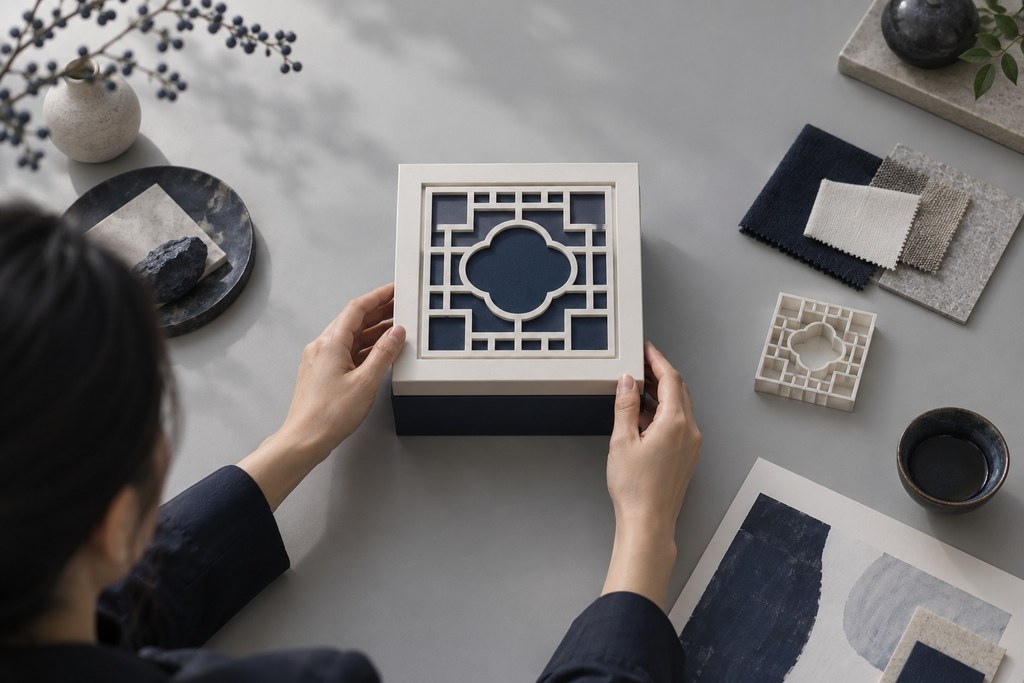
Distilling and reinterpreting symbols creates recognition. Traditional culture is rich in visual symbols: totems, patterns, colors, and characters, each carrying deep cultural meaning. Modern design distills their essence and reinterprets them in a minimal visual language. Not copy and paste, but deconstruction and recombination, creating a visual language rooted in culture and aligned with contemporary taste.
Advances in materials and craft raise the sense of quality. Combining traditional craft with modern technology creates new possibilities. 3D printing makes complex forms possible that traditional methods struggle to achieve. New materials improve function and durability. Digital tools make production faster and more precise. These advances do not replace handwork. They extend what traditional craft can do.
Reimagined spatial experiences change how people shop. Stores for heritage brands often stop at simple product displays and offer little experience. Modernization means redesigning the space to create immersive cultural settings. Through multimedia displays, interactive installations, and craft demonstrations, customers do more than buy a product. They experience the culture.
Elevating packaging aesthetics strengthens perceived value. Packaging is a product's first impression and an important vehicle for cultural expression. Traditional packaging is often too plain or overly ornate to resonate with modern consumers. New packaging should preserve cultural character while introducing contemporary aesthetics, creating an experience that is refined and meaningful.
Rethinking the Business Model as a System

A restructured product portfolio meets diverse needs. Traditional cultural brands often rely on a narrow range that cannot serve different audiences. Modernization calls for a layered portfolio: a Classic line that preserves tradition, an Innovation line that explores new possibilities, a Collaboration line that attracts younger users, and a Custom line for individual needs.
Digitizing the value chain raises operational efficiency. From supply chain to marketing, from customer service to data analysis, digital tools are changing how traditional brands operate. ERP systems optimize inventory, CRM systems improve customer experience, and big data reveals market trends, together driving a substantial gain in efficiency.
An omnichannel strategy expands market reach. Traditional brands often rely on physical stores and miss the growth of e-commerce. Modernizing means building a unified online and offline system. An official store, e-commerce platforms, social commerce, and livestream shopping work together to reach more consumers.
A better service experience deepens customer loyalty. In an era of product homogeneity, service becomes the key differentiator. Heritage brands need a complete service system: cultural education before purchase, expert advice during purchase, care and maintenance after purchase, and exclusive member benefits, creating value that goes beyond the product.
Innovative breakthroughs in marketing communications

Storytelling in content marketing builds emotional connection. Every heritage brand has stories worth telling: the founder's journey, the craft passed down through generations, the care behind each product. Video, articles, podcasts, and other formats bring these stories to life for consumers. The stories are not invented. They are creative expressions of real history.
Community-focused social media reaches users with precision. Each platform has its own audience and content preferences, so brands need a distinct strategy for each. Show the making process on Douyin, share user experiences on Xiaohongshu, explain culture on Bilibili, join conversations on Weibo. Every platform becomes a window for dialog between the brand and its users.
IP-driven operations extend value and open new revenue models. Traditional culture is itself a vast library of IP. Through systematic IP development, brand value can reach into new areas: animated characters, in-game items, film and TV placements, and cultural merchandize. These extensions bring new revenue and broaden the brand's reach.
Cross-industry collaborations reach new audiences. Limited-edition collaborations with streetwear labels, installations created with artists, new applications explored with tech companies: these partnerships break traditional brand stereotypes and capture the attention of younger consumers.
Long-Term Sustainability Strategy
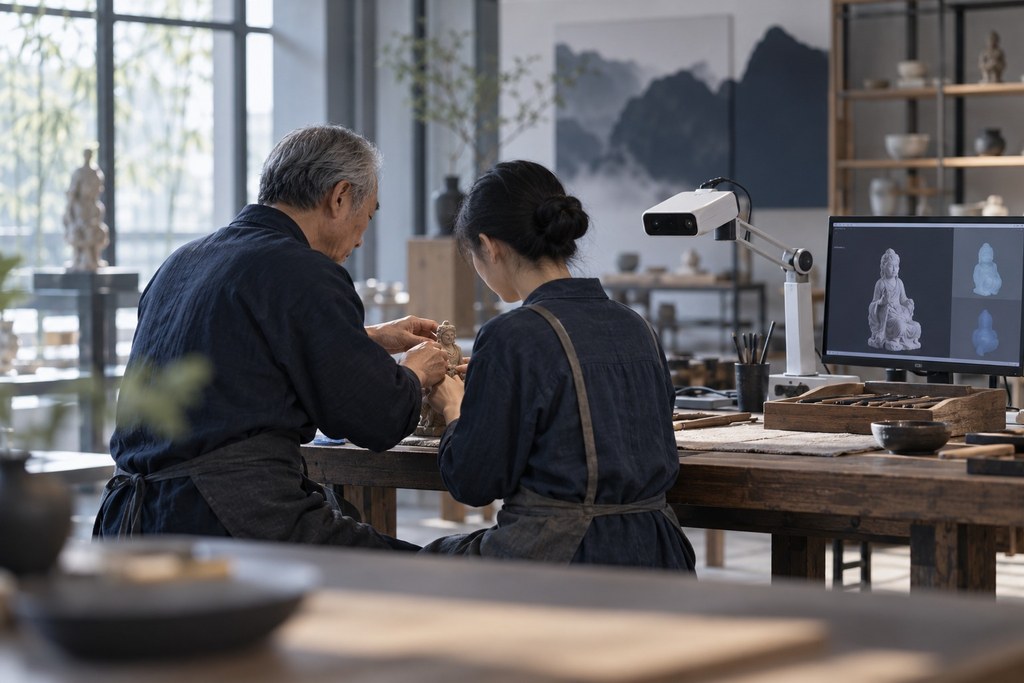
Digital preservation secures the future of cultural heritage. By documenting traditional crafts, building cultural databases, and creating virtual experiences, digital technology allows traditional culture to be preserved permanently and shared widely. Digitization is not only preservation — it is a foundation for innovation.
New approaches to talent development solve the challenge of succession. Modern apprenticeships, dedicated training schools, university partnerships, and design competitions cultivate versatile talent fluent in both tradition and innovation. Heritage no longer depends on master-to-apprentice transmission alone. It is sustained by a systematic talent pipeline.
Taking on social responsibility strengthens brand image. By supporting cultural preservation, charitable causes, industry standards, and cultural exchange, traditional cultural brands earn public recognition and respect. International expansion extends global reach. Chinese heritage brands should look beyond the domestic market and aim for the world. Through international trade shows, overseas stores, partnerships with global brands, and local cultural adaptation, they can claim a place in the global market.
Modernizing a traditional cultural brand is a systemic undertaking. It requires renewal across every dimension while preserving the cultural core. This is not a betrayal of tradition, but a way to give it new life in a new era. Done well, the brand carries both the weight of history and the energy of the present, becoming a cultural bridge between past and future.
Conclusion
Facing the future, the upgrading of traditional cultural brands is a systematic project: using the brand core as the anchor to create a clear identification and narrative center; using products and experiences as the driving force to form an iterative innovation pipeline; using data and indicators as governance to measure reputation, word-of-mouth and commercial transformation; taking sustainability as the commitment, integrating regional ingenuity with the modern supply chain. Through cross-border co-creation, youth resonance and global local communication, we will continue to shape differentiated minds. Only by taking into account long-termism and agile practice can traditional culture be seen, understood, and chosen in the new era, and radiate lasting vitality in daily life.