




Qingmei Future Insights
The Future-Oriented Design Language of Tech Brands
The Future-Oriented Design Language of Tech Brands
The design language of technology brands is defining how we imagine the future. From minimalism to neomorphism, from flatness to spatiality, technology brands convey innovation, foresight and possibility through unique visual language. In the wave of digitalization, the sense of the future is no longer a cold mechanical aesthetic, but a comprehensive experience that integrates humanity, sustainability and emotional resonance.
Cognitive reconstruction of a sense of the future
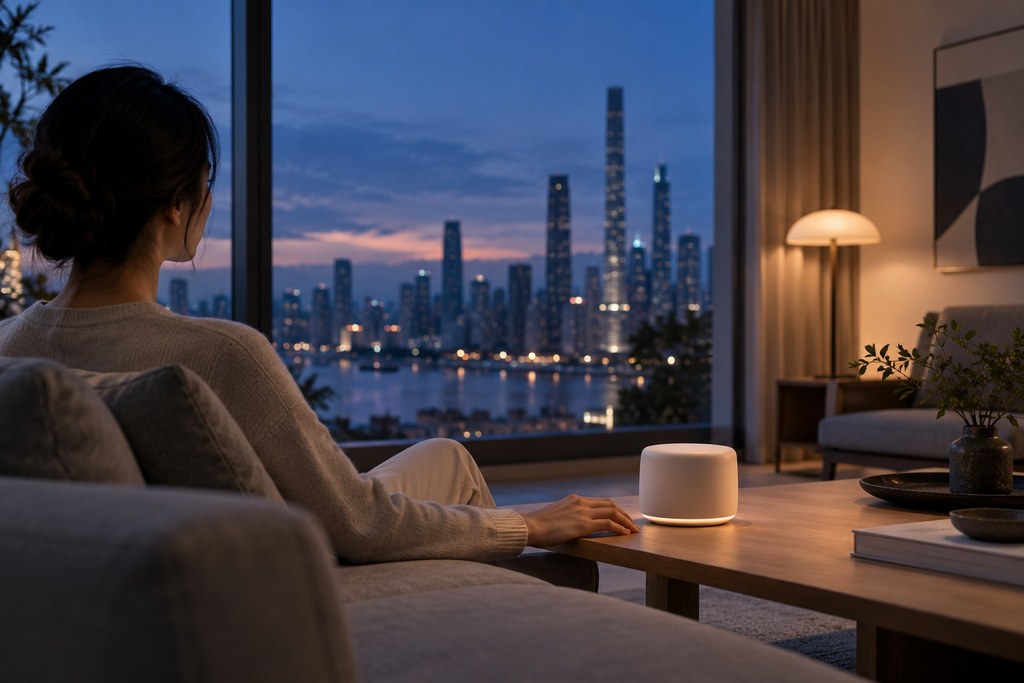
The future, for a technology brand, is not an imitation of science fiction. It is a clear reading of where technology is heading and how human needs are changing. Conventional futuristic design often falls into cold, mechanical clichés: metallic textures, blue glows, geometric forms. Real futurism comes from imagining how technology and humanity can come together. Modern technology brands need a design language that is both technically advanced and humane, so the future feels less distant and unfamiliar, and more like a vision within reach.
Designing across time breaks the limits of the present. Futuristic design is not about predicting what the future looks like, but about creating possibilities that shape it. By studying technology trajectories, social trends, and evolving user needs, designers must find the balance between what is feasible now and what the future could be. Such design must stay ahead of its time without losing touch with today's technology and users' understanding.
A philosophical view of technology defines new standards of beauty. Technology is changing not only function but aesthetics. Parametric forms generated by algorithms, organic geometry created by AI, and probabilistic aesthetics inspired by quantum computing are reshaping how we understand beauty. Technology brands need to explore the aesthetic potential of technology itself and create a distinctive visual language.
Redefining the relationship between people and machines is reshaping design direction. Future tech products will no longer be tools. They will be partners, assistants, and extensions of the self. This shift calls for a design language that moves from command to conversation, from mechanical to organic, and from cold to warm. Design must express both the intelligence and the emotion of technology, creating a new paradigm of harmony between people and machines.
Building an Innovative Visual Language
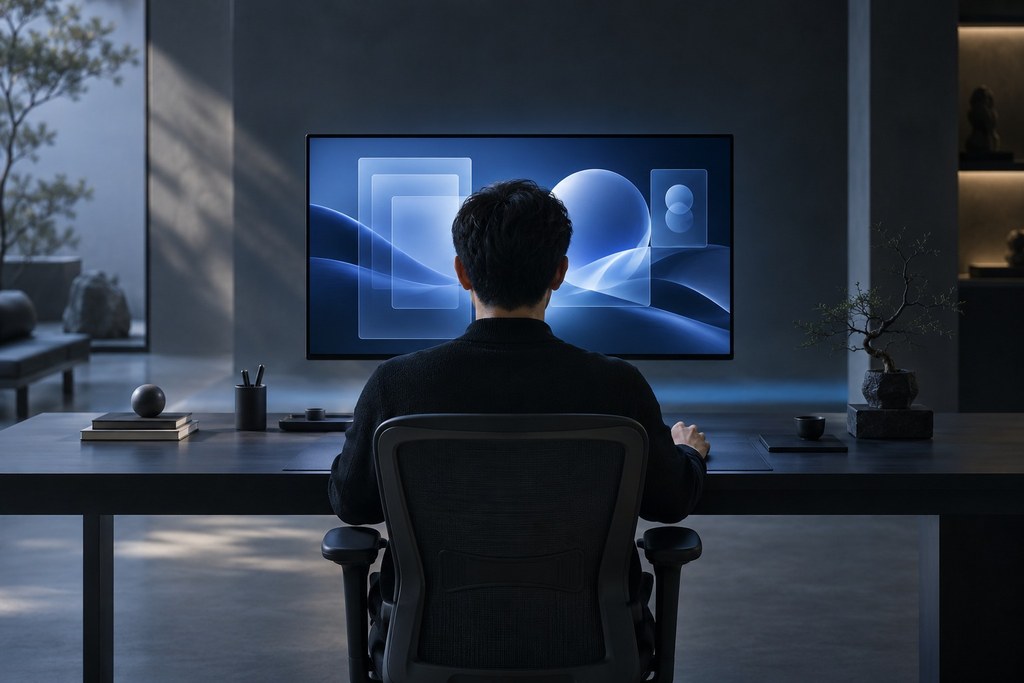
Adaptive, fluid aesthetics move beyond the limits of static design. Future interfaces won't be fixed. They will change with context, user state, and environment. Gradients, flow, breathing, and pulsing effects aren't decoration; they communicate information and emotion. Fluid design must stay recognizable in motion and consistent through change.
Thoughtful use of transparency and layering creates spatial depth. Glassmorphism, frosted-glass effects, and layered light and shadow create a multidimensional visual experience. Transparency isn't about displaying complexity; it creates lightness and a sense of technology. Through carefully designed layers of transparency, information is organized elegantly and complex systems become easy to understand.
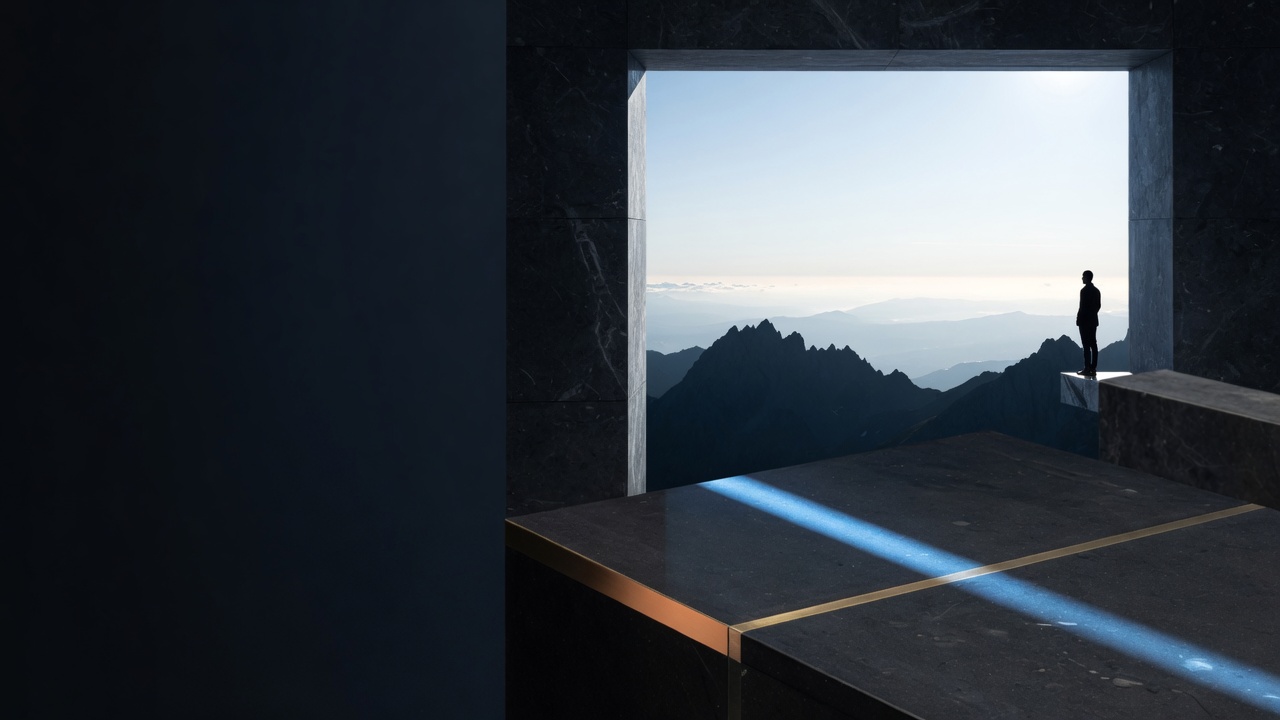
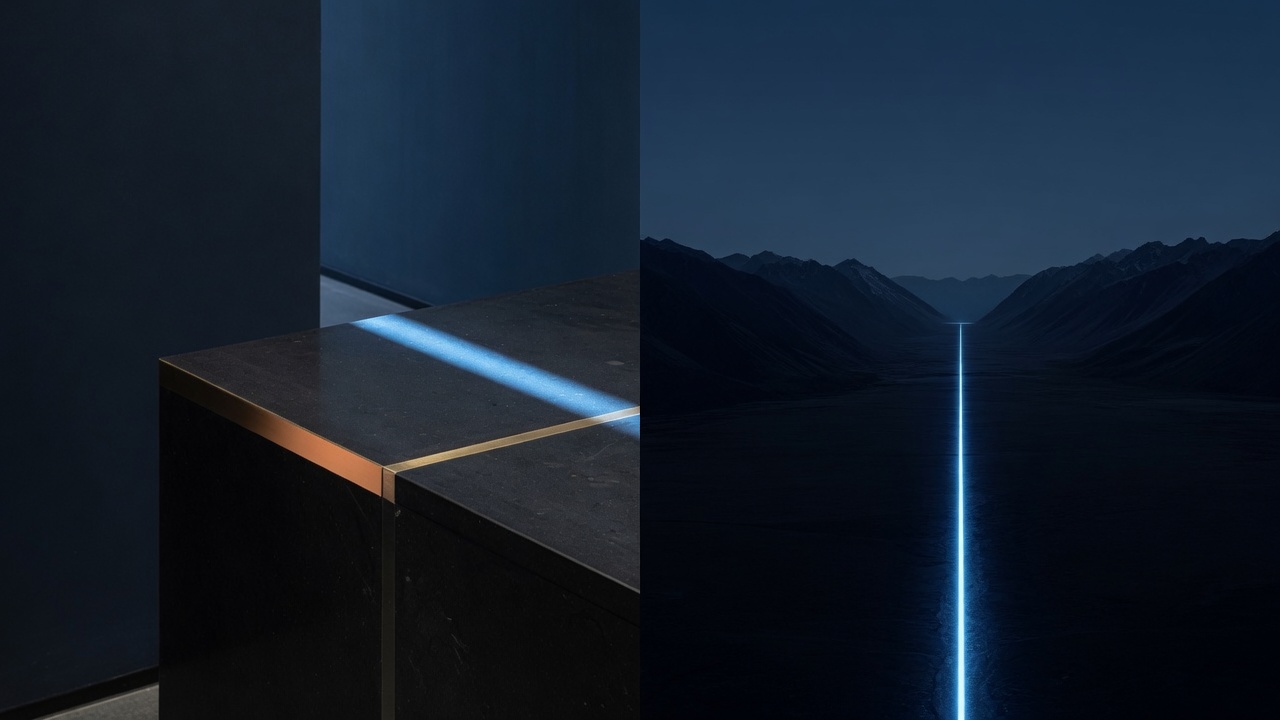
Thoughtful use of light and shadow brings design to life. Light is more than illumination; it expresses emotion and state. Ambient light sensing, dynamic lighting, and ray tracing allow design to create more realistic, layered visual experiences. A soft glow suggests warmth, a sharp beam conveys precision, and a pulsing light expresses energy.
Strategic use of negative space reinforces a premium feel. A tech brand's sense of the future comes not from piling on information but from restrained elegance. Generous white space, careful spacing, and a breathing rhythm make design feel calm and confident. Negative space is not waste. It gives users room to think and gives content room to breathe.
A Breakthrough in Interaction Paradigms
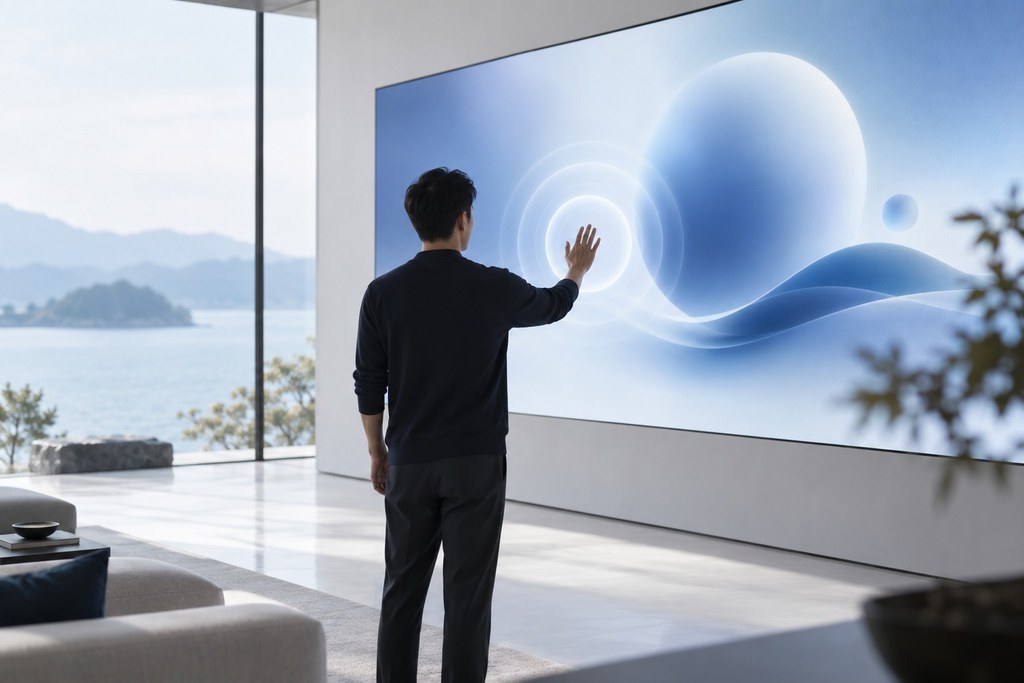
Natural interaction removes technical barriers for a seamless experience. Voice, gesture, eye tracking and brain signals are replacing traditional buttons and touch. Design must create intuitive visual feedback and guidance for these new modes. Interaction no longer has to be learned; it builds on natural human instinct.
Predictive design makes products more efficient. Using AI, an interface can prepare the features and information a user is likely to need before they act. Done well, prediction feels like thoughtful service, not intrusion. Design should integrate suggestions naturally—neither jarring nor hidden.
Multimodal sensory experiences create immersion. Designing sight, sound, touch, and even smell together creates a richer experience. Haptic feedback synced with motion, sound design that matches interaction rhythm. This multisensory design language gives users a more complete experience.
Context-aware adaptation refines personalized experiences. Interfaces adjust automatically to time, place, and user state: switching to dark mode at night, simplifying controls during exercise, reducing distractions during focus. This kind of intelligent adaptation lets technology blend into everyday life.
The Future Language of Materials
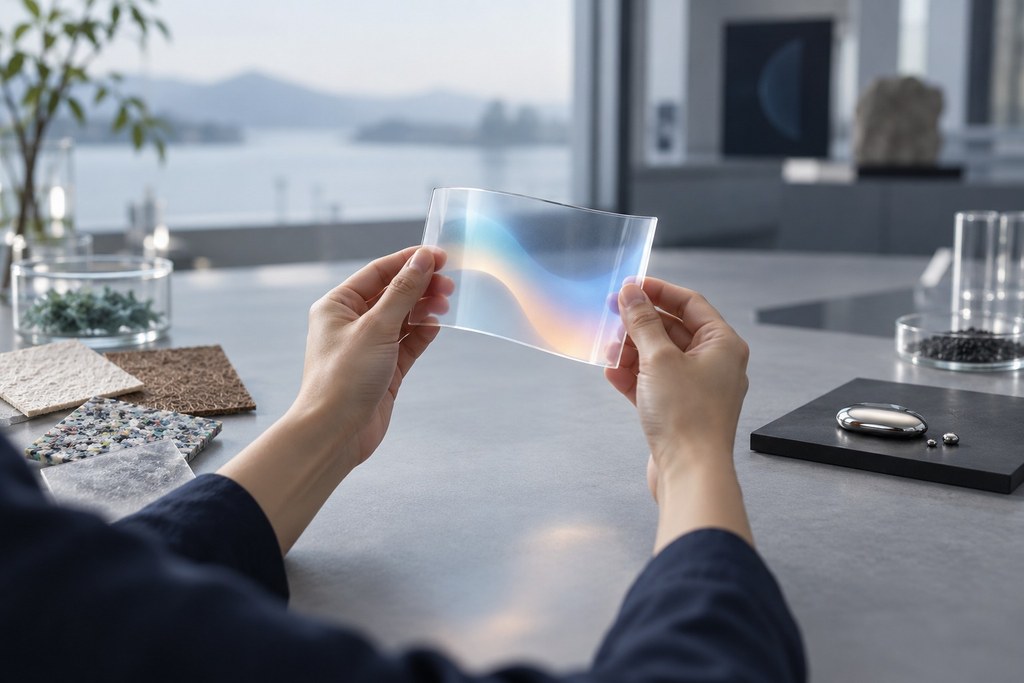
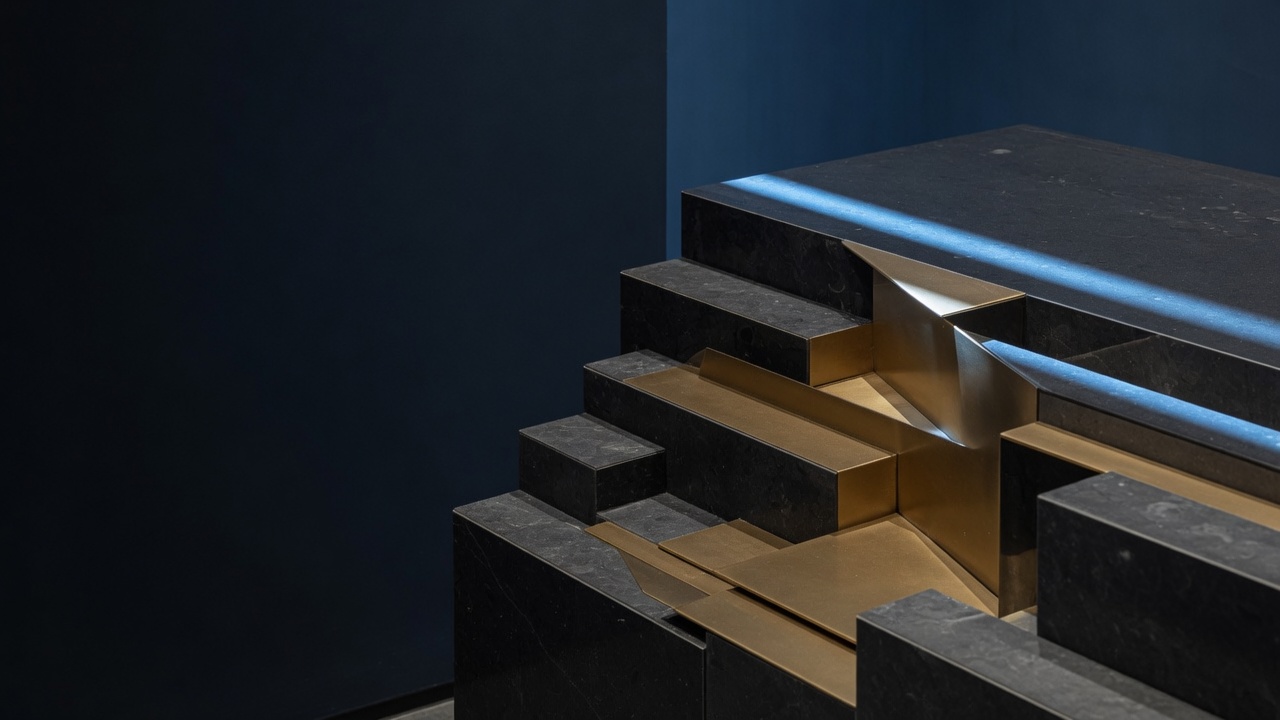
New materials open new design possibilities. Graphene, liquid metal, and programmable matter deliver functional breakthroughs and create an entirely new aesthetic language. Transparent, adaptive display materials, self-healing smart surfaces, reconfigurable form materials: these innovations are changing the physical form of products.
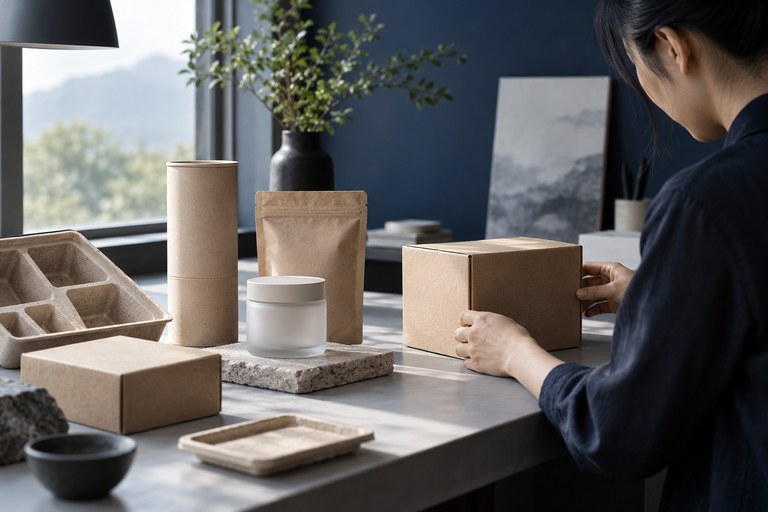
Innovative use of sustainable materials shows responsibility. Bio-based materials, biodegradable plastics, and recycled materials are not only environmental choices but part of the design language. By showcasing natural textures, keeping traces of recycling visible, and highlighting sustainable attributes, brands express responsibility for the future.
Blending virtual and physical materials moves beyond physical limits. AR/VR lets virtual materials overlay real objects, creating visual effects beyond the laws of physics. Digital materials can change in real time, respond to interaction, and convey information, opening limitless possibilities for design.
The interactive potential of smart surfaces redefines the interface. An entire product surface can become a display and interaction area, with the material itself able to compute and sense. This interfaceless interface design calls for rethinking how information is presented and how interaction works.
Systematic evolution of brand expression
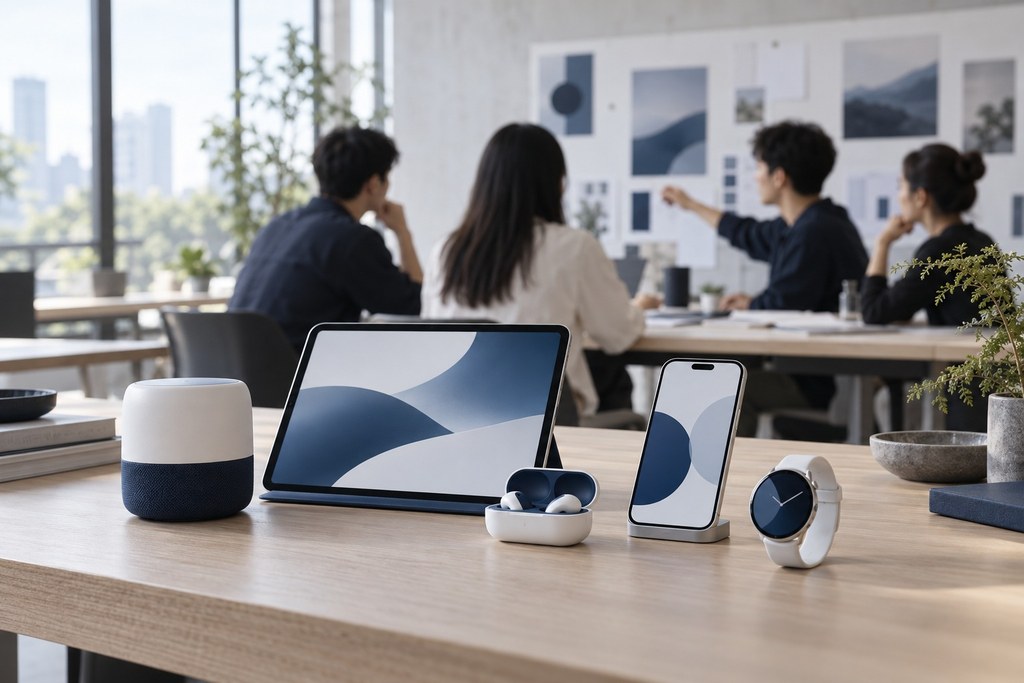
Future-focused storytelling builds emotional connection. Tech brands should tell stories not about technical specs, but about how technology changes lives. By envisioning future scenarios, depicting ideal ways of living, and conveying brand vision, design creates value people identify with beyond the product.
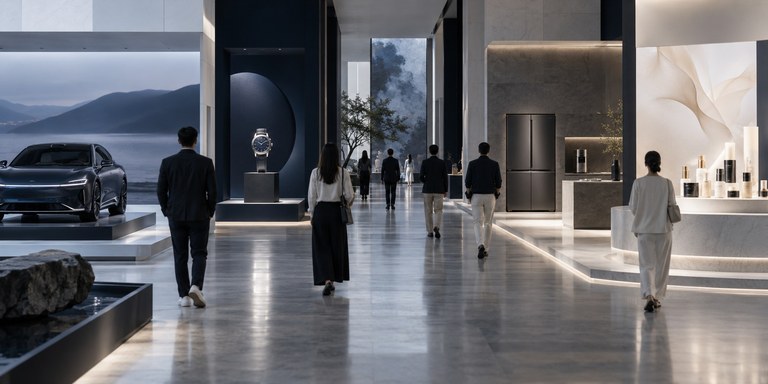
Designing the ecosystem as a whole strengthens the brand experience. Designing a single product is no longer enough; the entire product ecosystem must work together. From hardware to software, from products to services, a unified design language creates a seamless brand experience.
Local expression of cultural fusion prevents sameness. The future is not the exclusive domain of Western science fiction; every culture imagines its own. By drawing on local culture, traditional aesthetics and regional knowledge, technology brands create a more diverse vision of the future.
Open, platform-based thinking unlocks creativity. The future of design is not closed. It is an open platform for innovation. By opening design resources, building creator communities, and supporting remixes, brands and users create the future together.
A futuristic design language for technology brands brings technology and humanity together. It is not a cold machine aesthetic, but an inventive expression shaped by imagination and care for people. Good futuristic design makes people look forward to what is ahead while delivering an experience that is useful and enjoyable. As technology moves quickly, designers must keep exploring, using design to express the poetry of technology and to shape a future worth waiting for.
Conclusion
The futuristic design language of technology brands is the perfect fusion of technological progress and humanistic care. Through the analysis of this article, we see that true futuristic design does not pursue superficial cool effects, but conveys the brand concept of technology improving life through simple, smooth, and intelligent design language. It must not only reflect the advancement of technology, but also maintain the warmth of humanity and find a balance between rationality and sensibility.
In practice, technology brands need to continuously explore and evolve while maintaining design consistency. A futuristic design language should be dynamic, adaptable, and able to evolve as technology develops and user needs change. At the same time, it is necessary to avoid being futuristic for the sake of being futuristic. The essence of design is always to solve problems and create value.
Looking to the future, with the development of new technologies such as artificial intelligence, virtual reality, and sustainable technology, the design language of technology brands will continue to push boundaries. We look forward to seeing more design works that integrate innovative technology and humanistic spirit, allowing technology brands to become a bridge connecting the present and the future, and using design language to write a new chapter of human civilization.