


















Qingmei Future Insights
The Art of Brand Positioning: The Reflection of Differentiation Strategy in Design
In today's highly competitive business environment, brand positioning has become a key element of corporate success. As the market becomes increasingly saturated, consumers are faced with an unprecedented choice dilemma. How to stand out among many competitors has become a core issue that every brand must consider. Differentiation strategy is not only an important part of brand strategy, but also an important means of conveying the unique value of the brand through design language.
Differentiated Cognitive Restructuring
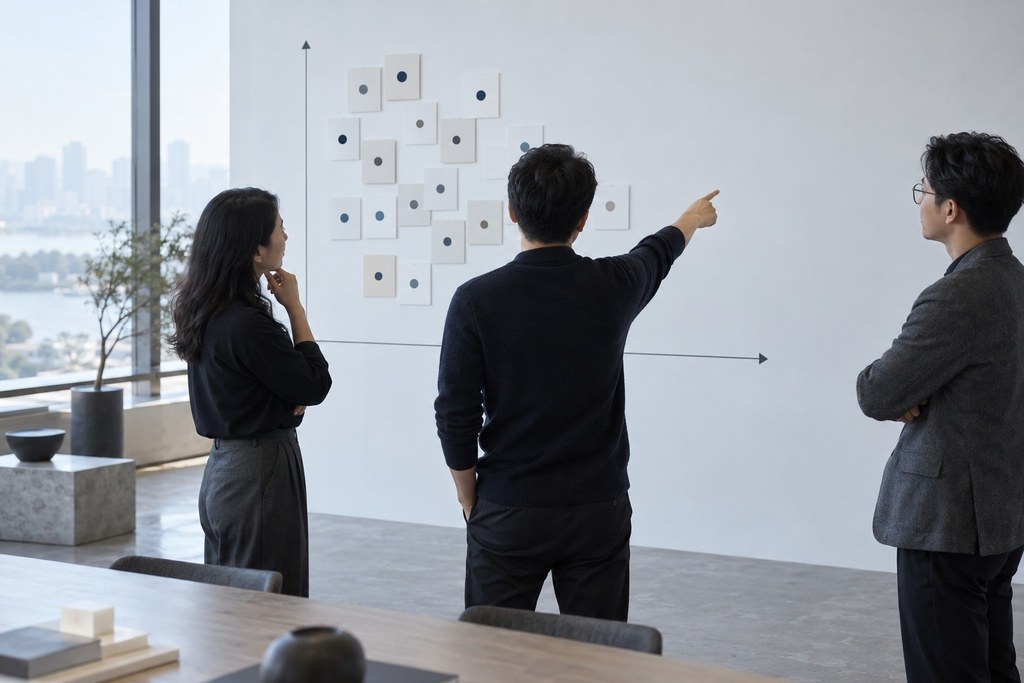
Brand differentiation is not about being different. It is about creating distinct value. Traditional differentiation often stops at surface features: a different color, shape, or function. Real differentiation comes from a distinct understanding of user needs and a distinct way of meeting them. In markets where products look increasingly alike, brands must rethink where differentiation comes from. The question is not "How are we different?" but "What distinct value do we create for our users?"
Precise cognitive positioning determines how effective differentiation will be. Mental space is limited, and each category holds only a few brands. Successful positioning claims a distinctive, valuable place in the user's mind. This requires a deep understanding of how users think, decide, and judge value. Design's role is to translate that positioning into a visual language and experience people can perceive.
Layered differentiation builds a competitive moat. Surface-level difference is easy to copy; deep difference lasts. Differentiation exists at several levels, from product features to user experience, from emotional connection to shared values. Design must create difference across these levels to form a multidimensional system. The deeper the difference, the harder it is to replicate, and the more durable the advantage.
Dynamic differentiation is a strategic response to change. Markets, competitors, and users all shift, and static differentiation quickly loses its edge. Brands need the ability to differentiate continuously, innovating and refining their positioning over time. Design isn't a one-time project but an ongoing evolution. Agile design, rapid iteration, and co-creation with users keep differentiation alive.
Translating Strategy into Design Language
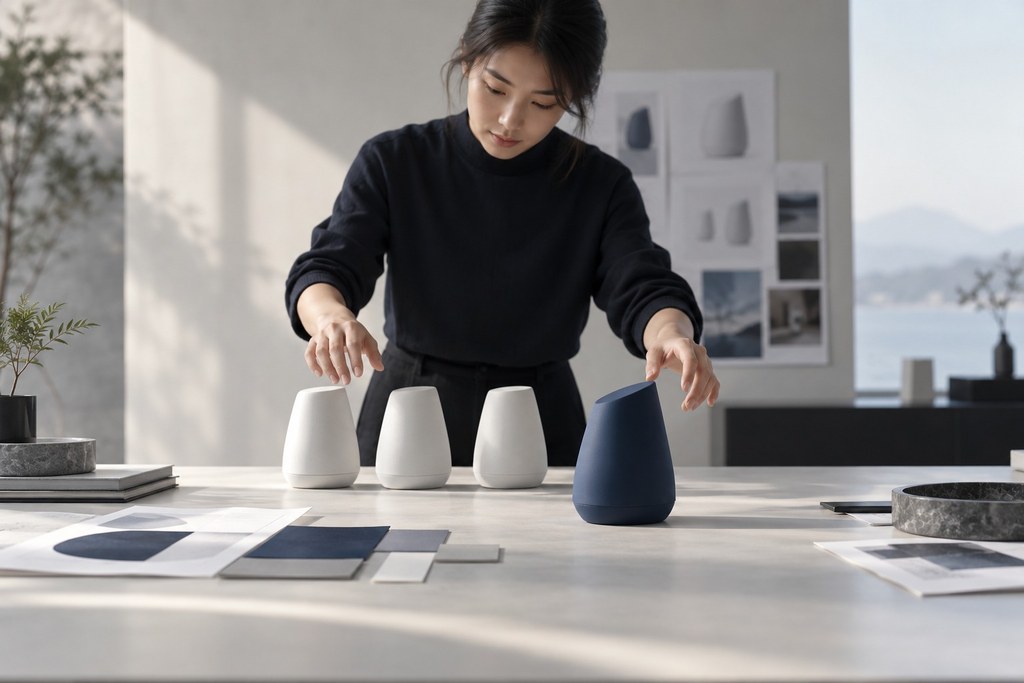
A distinctive visual system is about more than aesthetic preference. A unique visual language is not a designer's personal expression but brand strategy made visible. Color choices draw on psychological effect and cultural meaning, form reflects brand personality and value proposition, and typography shapes information hierarchy and reading experience. Every design decision should reinforce the brand's differentiated position.
Experience design for functional innovation redefines product value. Differentiation lives not only in appearance but in function and experience. By rethinking user tasks, simplifying workflows, and creating moments of delight, design can set a product apart at the functional level. This isn't technology for show. It's value built on user insight.
Emotional touchpoints build deeper connections. Functional differences are easily surpassed; emotional connections last. Through narrative design language, human interaction details, and personalized content, brands form emotional bonds with users. This kind of design requires a deep understanding of users' psychological needs, cultural backgrounds, and lifestyles.
Reimagining cultural symbols creates differentiation through meaning. Design is not only a visual language but a cultural expression. By uncovering and reinterpreting symbols, traditions and collective memory, a brand can claim a distinct cultural position. This is not simple nostalgia or nationalism, but a fresh fusion of tradition and modernity, local and global.
Deep User Insight
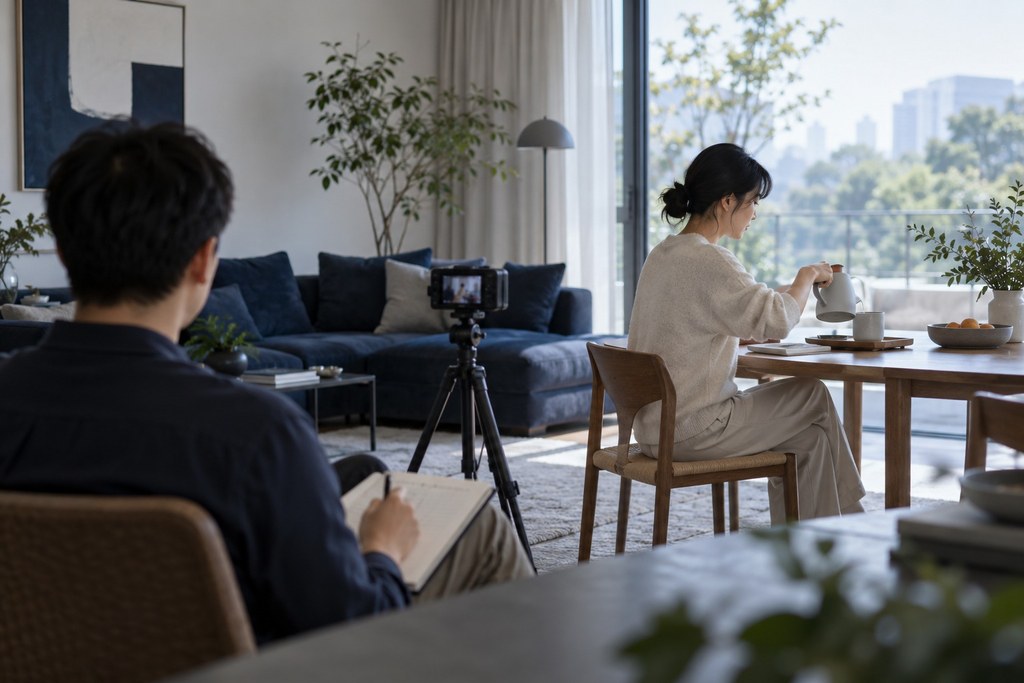
Precisely identifying niche needs uncovers opportunities for differentiation. Even a saturated market has unmet needs. In-depth user research, data analysis, and behavioral observation reveal overlooked user groups or use cases. Designing for these specific needs creates precise, differentiated value.
Redefining usage scenarios changes the rules of competition. The same product holds different value in different scenarios. By redefining how and when a product is used, creating new ways of use, and connecting different moments in daily life, brands can open new space for differentiation. Design should be grounded in scenario thinking, creating solutions suited to specific contexts.
Innovative ways of solving pain points lay the groundwork for differentiation. Every product category has unmet user needs, and each one is a chance to stand apart. But the solutions are rarely obvious. They take inventive thinking and ideas borrowed from other fields. Design creates breakthrough solutions through new materials, new technologies, and new models.
Redefining the value proposition changes what users expect. People don't buy products; they buy value. By redefining a product's core value, from functional to emotional and from personal to social, brands can create new dimensions of differentiation. Design must communicate this proposition clearly, so users perceive it and embrace it.
Strategic responses to the competitive landscape
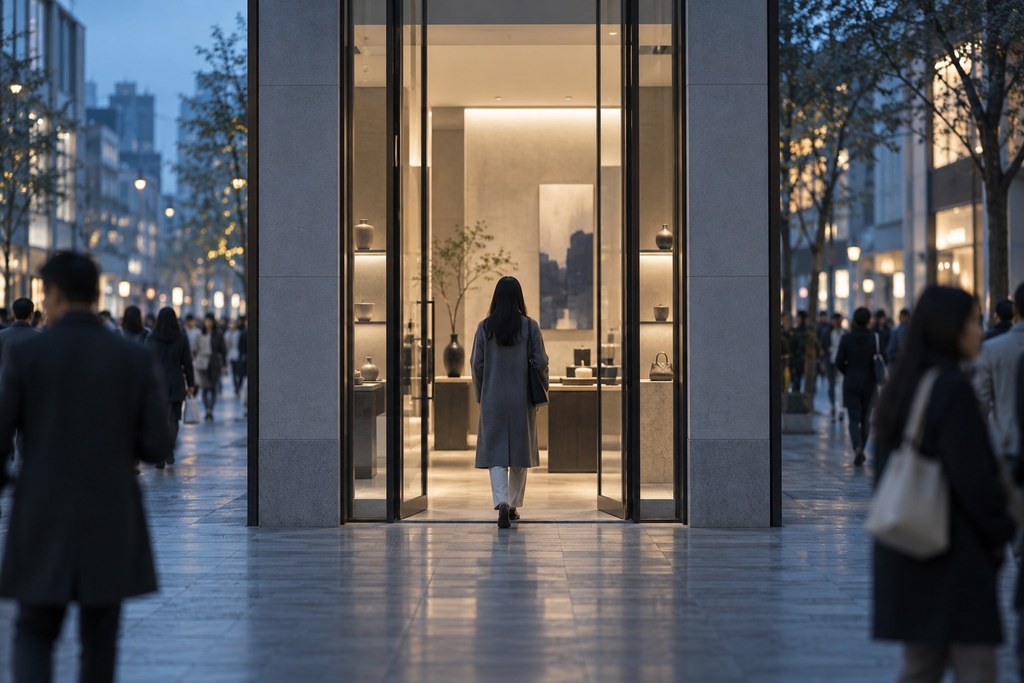
Blue Ocean Strategy in design practice opens new markets. Rather than fight in a red ocean, create a blue one. Through value innovation, pursuing differentiation and low cost at once, design can help a brand open new market space. This means breaking industry conventions, recombining elements of value, and creating combinations of value that did not exist before.
Reverse positioning challenges established perceptions through unconventional design. When every competitor pursues the same direction, going the other way can create a distinctive position. Minimal vs. complex, fast vs. slow, mass vs. niche: any of these opposing positions can become a source of differentiation. It takes courage and creativity to challenge convention.
First-mover advantage in category innovation establishes leadership. Creating a new category makes differentiation easier than competing in an existing one. Through innovation in technology, business models, and concepts, a brand can define a new category. Design plays a key role, creating new visual languages, interaction patterns, and experiences.
Precise niche positioning avoids head-on competition. Not every brand needs to be big and broad; focusing on a specific niche can be the stronger position. Through precise positioning, deep service, and specialization, a brand can build an unshakable place in its segment. Design should fully express that expertise and focus.
Systematic Support for Execution
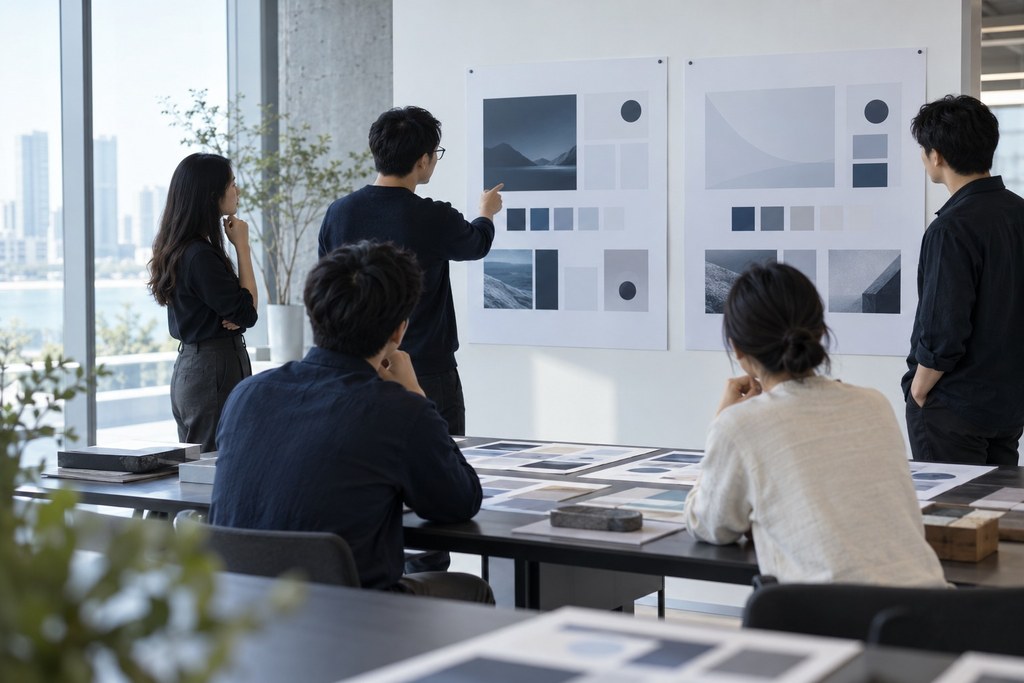
Balancing consistency and flexibility sustains differentiation. Differentiation must be consistent across every touchpoint, yet adaptable to each context. A design system should define fixed core elements and flexible adaptive ones, striking a balance between unity and variety.
A mechanism for iterative optimization keeps differentiation alive. Market feedback is the ultimate test of differentiation. Through A/B testing, user research, and data analysis, design solutions are continuously refined. A rapid iteration process lets design respond quickly to market change.
Supporting organizational capability makes differentiated execution possible. Differentiation isn't just the design team's job. It requires understanding and support across the organization. Training, workshops, and cross-functional collaboration build consensus around the differentiation strategy. Designers need to become its advocates and drivers.
Accumulated brand equity reinforces differentiation. Differentiation takes time to take root in people's minds. Sustained communication, user education, and continual experience improvements strengthen it. Design must consider long-term value and never sacrifice brand consistency for short-term results.
Differentiation in brand positioning is not the goal. It is a means to create distinct value. As a key vehicle for differentiation, design must deeply understand strategic intent, user needs, and the competitive landscape, then turn strategy into a brand experience people can feel. Successful differentiated design is not about being different for its own sake. It is value innovation grounded in real insight.
Conclusion
The successful implementation of brand positioning and differentiation strategies ultimately lies in a deep insight into the target audience and precise control of the design language. In this era of information explosion and scarce attention, design is no longer just an expression of aesthetics, but also an important carrier of visual presentation and value transmission of brand strategy. Through the discussion in this article, we see that differentiated design strategies require continuous innovation and iteration while maintaining the core value of the brand. Whether it’s the choice of color, the use of symbols, or the creation of an experience, every design decision should serve the brand’s unique positioning. In the future, with the development of technology and the evolution of consumer needs, brand differentiation will face new opportunities and challenges. Only those companies that can continue to strengthen their brand uniqueness and establish emotional resonance through design innovation can maintain long-term vitality and competitive advantage in the ever-changing market.