


















Qingmei Future Insights
Climate-Resilient Brands: Forward-Looking AI Models for a Volatile World
Climate-Resilient Brands: Forward-Looking AI Models for a Volatile World
As climate change accelerates, traditional brand strategies and business models face unprecedented pressure. More frequent extreme weather, exposed supply chain fragility, rising environmental awareness among consumers, and fast-changing regulation are reshaping the basic assumptions of business. In this uncertain world, the brands that manage climate risk and seize the opportunities of the green transition are using advanced AI to build forward-looking predictive models and achieve real climate resilience. These AI-driven systems help brands identify and quantify climate risk and, more importantly, guide them toward adaptable, sustainable long-term strategies.
The Dimensions of Climate Resilience
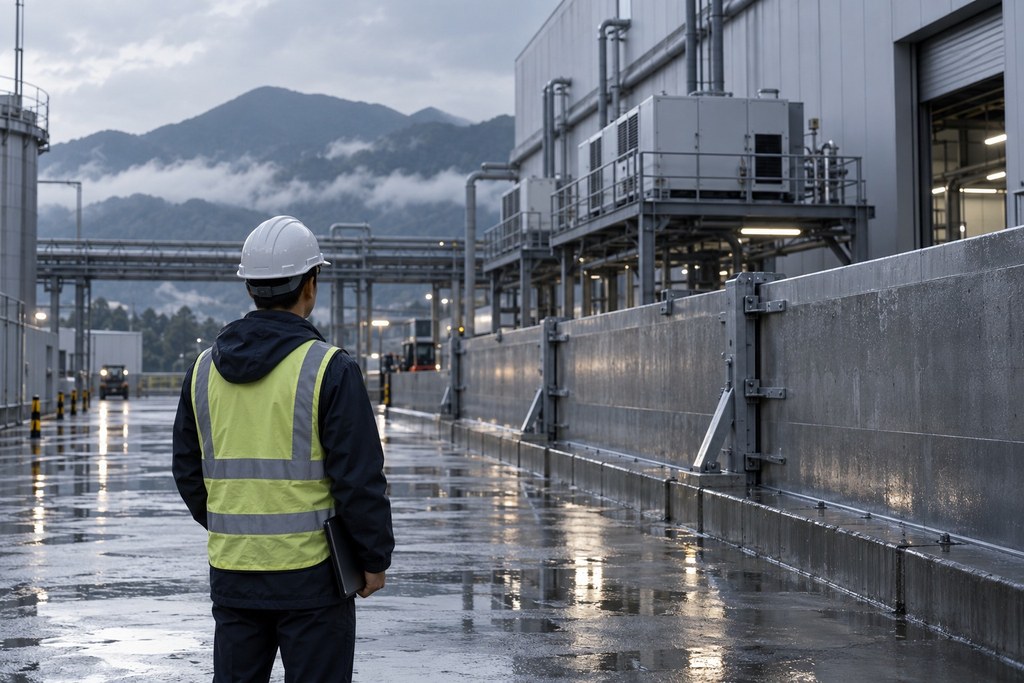
Climate resilience is a complex, multidimensional concept. It covers a brand's ability to withstand, adapt to, and recover from climate shocks. This resilience shows not only in the durability of physical infrastructure, but also in the flexibility of the business model, the diversity of the supply chain, the adaptability of the organizational culture, and the foresight of its technological innovation.
Physical resilience is the most tangible layer: a brand's ability to protect assets and sustain operations during extreme weather. It spans disaster-resistant production facilities, distributed warehousing and logistics, and redundancy for critical equipment. By analyzing historical weather data, geographic information, and climate projections, AI models can assess the probability and potential impact of different extreme-weather risks at each facility location.
Economic resilience measures a brand's ability to stay financially stable and profitable through climate-related shocks. It involves diversifying revenue, optimizing cost structure, managing cash flow, and developing an insurance strategy. AI systems can simulate financial performance under different climate scenarios, helping brands identify financial vulnerabilities and plan risk mitigation.
Operational resilience shows in the continuity of supply chain management, production, and service delivery. Climate change can cause raw material shortages, transport disruptions, and unstable energy supply, so brands need flexible operations to meet these challenges. AI can monitor every link in the supply chain in real time, predict potential disruptions, and automatically trigger emergency responses.
Social resilience concerns the stability of a brand's stakeholder relationships and the protection of its reputation. As the climate changes, consumers, investors, and employees expect more from brands on environmental performance and social responsibility. Brands need transparent communication that shows their climate action is genuine and effective.
Technical architecture of AI prediction model

The AI forecasting models behind modern climate-resilient brands are highly complex technical systems, integrating knowledge from climate science, economics, engineering, and business intelligence. At their core are machine learning algorithms that process vast multi-source data, identify complex patterns, and generate actionable insights.
The data fusion layer is the foundation of AI forecasting models. It integrates heterogeneous data from weather monitoring, satellite remote sensing, IoT sensors, economic statistics, social media, and more. This data spans timescales from real-time monitoring to long-term historical records, spatial scales from local to global, and formats from structured numbers to unstructured text, images, and video.
The feature engineering layer extracts meaningful variables from raw data. For climate data, this may include temperature anomaly indices, precipitation extremes, and sea-level trends. For business data, it may include seasonal sales patterns, supplier geography, and shifts in customer behavior. High-quality feature engineering is a key determinant of model performance.
The model architecture layer combines several advanced machine learning techniques. Deep neural networks identify complex nonlinear relationships, time-series models capture changing trends, reinforcement learning optimizes decision strategies, and ensemble methods improve the stability and accuracy of predictions.
Quantifying uncertainty is a defining feature of climate prediction models. Because the climate system is complex and stochastic, every forecast carries uncertainty. Advanced AI models go beyond point forecasts: they quantify confidence intervals and uncertainty distributions, giving decision-makers a scientific basis for assessing risk.
Early Warning Systems for Extreme Weather

Early warning of extreme weather is the first line of defense for a climate-resilient brand. AI-driven warning systems detect potential threats earlier and more accurately than traditional methods, giving brands valuable time to respond.
Short-term warning systems focus on extreme weather over the next few hours to days. They combine numerical weather prediction models, radar data, and machine learning to forecast heavy rain, strong winds, hail, and other extreme events at specific locations. For manufacturing brands, these warnings can trigger changes to production schedules. For retail brands, they can shape inventory allocation and logistics.
Medium-range warning systems track climate anomalies weeks to months ahead. Using coupled ocean-atmosphere models and statistical downscaling, they forecast regional droughts, floods, and heat waves. These forecasts are valuable for agricultural brands planning crops and for energy brands forecasting demand.
Long-term warning systems look at climate trends over years to decades. Built on global climate models and scenario analysis, they assess the impact of climate change under different greenhouse gas emission pathways. These forecasts inform a brand's strategic planning, investment decisions, and infrastructure.
Cascading impact analysis is an advanced feature of early-warning systems. It predicts not only the direct effects of weather but also the chain reactions they may trigger. A typhoon, for example, may damage production facilities directly, and also cause indirect effects such as supplier shutdowns, port closures, and power outages. AI models use network analysis and system dynamics to simulate these complex interactions.
Intelligent monitoring of supply chain resilience

Supply chains are among the parts of modern business most exposed to climate change. AI offers effective tools for building resilience, from real-time monitoring to predictive analysis and from risk assessment to optimized decision-making, strengthening supply chains against disruption at every level.
The supplier risk assessment system builds a multidimensional risk profile for every supplier. Each profile covers not only the supplier's own exposure to climate risk, but also the climate vulnerability, infrastructure resilience, and emergency response capacity of its region. AI algorithms analyze historical data and external information to update each supplier's risk rating continuously.
Route optimization algorithms factor in climate risk. Traditional logistics optimization focuses on cost and time, while a climate-resilient logistics system must also consider the probability of extreme weather, the vulnerability of infrastructure, and the availability of alternative routes. AI systems can adjust transport plans in real time and choose the safest, most reliable routes.
Inventory strategy adjusts dynamically based on climate risk forecasts. When extreme weather may disrupt supply, the AI system recommends raising safety stock for critical materials. When conditions are stable, it optimizes inventory levels to reduce holding costs. This dynamic approach balances risk management with cost control.
Identifying and evaluating alternative sources is central to supply chain resilience. AI systems continuously scan global supply markets to identify potential alternative suppliers and assess their quality, cost, delivery capability, and exposure to climate risk. When a primary supplier is hit by a climate shock, the system can activate alternatives quickly.
Predictive Analysis of Changing Consumer Behavior
Climate change is reshaping consumer behavior and preferences. By analyzing large volumes of purchase data, social media content, and research, AI models can predict how climate change will affect consumer behavior, guiding brands' product development and marketing strategy.
Shifts in seasonal consumption are among the most visible effects. Climate change is reshaping traditional seasonal sales patterns. Warmer winters may reduce demand for heating products, while extreme summer heat may lift sales of cooling products. By analyzing the relationship between temperature and sales data, AI models forecast new seasonal patterns.
Extreme weather has a short-term impact on consumer behavior that varies sharply by place and time. Before a typhoon, consumers stock up on emergency supplies. After a flood, demand for cleanup and rebuilding surges. By analyzing patterns from past events, AI systems can predict how future extreme weather will affect demand for specific products.
The long-term effect of rising climate awareness on consumer preferences is becoming clear. More consumers weigh a product's environmental impact when they buy, favoring low-carbon, sustainable options. By analyzing social media sentiment, search behavior, and purchase history, AI models quantify how consumers' environmental awareness is changing.
Migration and population movement are indirect effects of climate change, and they will reshape consumer markets. Rising sea levels and more frequent extreme weather may drive people from high-risk to lower-risk areas, changing the structure of consumer demand across regions. By integrating demographic, economic, and climate risk data, AI models can forecast migration trends and the spatial restructuring of consumer markets.
Algorithms for Carbon Footprint Optimization

Carbon footprint management is a core capability of a climate-resilient brand. AI plays a growing role in measuring, analyzing, and optimizing carbon footprints, helping brands meet science-based reduction targets.
AI makes life cycle carbon footprint analysis more precise and efficient. Traditional life cycle assessment relies on extensive manual data collection and calculation. AI systems can automatically extract data from a company's ERP system, supplier databases, and public sources to build a complete product carbon footprint model.
Real-time carbon monitoring systems use IoT sensors and AI algorithms to track energy use and emissions across production. They measure current emission levels accurately and identify abnormal emission events, providing a basis for timely intervention.
Emissions pathway optimization algorithms help brands build the most cost-effective reduction strategies. They weigh the cost, impact, technical maturity, and implementation difficulty of each measure to chart the best route to a brand's reduction targets.
Supply chain carbon management systems extend carbon footprint analysis across the entire value chain. AI algorithms analyze supplier emissions data, identify high-emission stages, and assess how switching suppliers would affect the overall footprint. This systematic analysis provides a scientific basis for decarbonizing the supply chain.
An accelerating engine for sustainable innovation

AI is becoming a key catalyst for sustainable innovation, helping brands achieve breakthroughs in product design, material selection, and process optimization.
Material discovery and optimization is a key application of AI in sustainable innovation. Machine learning can predict material performance at the molecular level, accelerating the development of new eco-friendly materials. AI systems can, for example, predict the degradability, strength, and cost-effectiveness of different biomaterial formulations, guiding the development of biodegradable packaging.
Design optimization algorithms help brands meet functional requirements with minimal environmental impact. They can refine structure to reduce material use, improve packaging for more efficient transport, and optimize configuration to extend product life.
AI enables precise optimization for greener production processes. Machine learning algorithms analyze data on energy use, material consumption, and emissions, identify opportunities for improvement, and recommend solutions. This data-driven approach is more efficient and accurate than traditional trial and error.
Designing and optimizing circular models also depends on AI. AI systems can analyze usage patterns, recyclability, and reuse value to inform the design of circular business models.
Financial Resilience and Green Investment

Climate risk is reshaping how financial markets assess risk and make investment decisions. AI plays an increasingly important role in managing climate-related financial risk and guiding green investment.
Quantifying the financial impact of climate risk is a core challenge for modern risk management. By integrating climate science models with economic impact assessments, AI models translate physical climate risk into probability distributions of financial loss. This analysis provides a sound basis for insurance pricing, credit approval, and investment decisions.
Transition risk assessment examines how policy changes, technological advances, and shifting market preferences affect enterprise value. AI systems analyze policy documents, technology patents, and market data to assess the level of transition risk facing different industries and companies.
Identifying and evaluating green investment opportunities requires AI. Machine learning algorithms can sift vast amounts of company data to find investments with green transition potential, and assess the technical feasibility and commercial outlook of green projects.
AI makes ESG ratings automated and standardized. Natural language processing can analyze corporate reports, news, and regulatory filings, extract ESG-related information, and build a consistent rating framework.
Intelligent management of regulatory compliance

Climate-related regulations are evolving and tightening quickly. Brands need intelligent compliance management systems to keep pace.
A real-time regulatory tracking system uses AI to monitor changes in climate-related regulations worldwide. Natural language processing analyzes regulatory texts, identifies key changes in requirements, and assesses how broadly and deeply they affect the business.
Automated compliance risk assessment systems analyze operational data against regulatory requirements to identify potential risk points. They can flag possible violations early, providing a basis for timely corrective action.
Automated compliance reporting greatly reduces manual work. AI systems can collect relevant data automatically and generate reports in the formats regulators require, ensuring accuracy and timeliness.
Intelligent support for regulatory communication includes automated responses to regulator inquiries, preparation of inspection materials, and analysis of regulatory feedback. These tools make regulatory communication faster and better.
Personalized strategies for stakeholder communication

Effective stakeholder communication is essential to building a climate-resilient brand. AI can help brands develop personalized communication strategies that make their communication more effective.
Audience analysis and segmentation are refined through machine learning algorithms. The AI system analyzes the information preferences, focus, communication channel preferences and other characteristics of different stakeholders, and develops targeted communication strategies for each group.
Personalized content generation adjusts depth, angle, and tone to fit each audience. For investors, it focuses on financial impact and risk management. For consumers, it highlights product value and environmental contribution. For employees, it emphasizes corporate responsibility and growth opportunities.
Sentiment monitoring and feedback analysis show brands how well their communication is landing. AI analyzes social media comments, news coverage, and survey responses to track how public awareness of, and attitudes toward, a brand's climate action are changing.
An intelligent crisis communication system automatically triggers emergency communications when a climate-related event occurs. It can quickly generate incident statements, response measures, and follow-up plans, ensuring external communication is timely, accurate, and consistent.
Future development trends and technological frontiers
AI applications for climate-resilient brands are becoming more intelligent, more automated, and more precise. Several key technology trends stand out.
Digital twins will give climate risk management a virtual testing ground. Brands can simulate the impact of different climate scenarios, test response strategies, and ground real-world decisions in evidence.
Combining edge computing with 5G will enable more real-time, precise climate monitoring and response. Distributed sensor networks can deliver high-precision environmental data, and edge AI devices can make decisions in milliseconds.
As quantum computing matures, it will greatly expand the computing power behind climate models. Complex Earth system models, large-scale optimization problems, and high-dimensional uncertainty analysis will all benefit from its computational power.
Federated learning will enable collaborative learning across organizations while protecting data privacy. Brands can jointly train stronger climate risk prediction models without sharing sensitive data.
Building a climate-resilient brand is a long, complex process that requires technological innovation, strategic thinking, and organizational change to advance together. AI provides strong tools for this process, but technology alone cannot solve every problem. True climate resilience requires brands to build on their use of technology with an adaptable organizational culture, forward-looking strategy, and responsible business practices. In an uncertain and volatile world, brands that use AI effectively and respond actively to climate challenges will be well positioned to compete and to drive sustainable development. Climate resilience is not only a matter of risk management; it is a strategic choice to create long-term value and meet social responsibilities.